
I spent my morning shivering in the North Sea, and as I climbed out, dripping and exhausted, I realized that the most exhausting part of my day isn’t the cold water—it’s watching my clients spiral because they stepped on a scale and saw a two-pound increase. We’ve been sold this lie that the scale is a precision instrument, but in reality, most of what you’re seeing is just physiological static. Whether it’s salt, stress, or a late-night meal, daily weight variation is almost never a reflection of your actual body fat. It is a noisy, unpredictable metric that most people mistake for a moral failing or a metabolic disaster.
I’m not here to give you a new app or a “secret” supplement to stabilize your numbers. Instead, I want to pull back the curtain on the boring, biological reality of why those numbers dance around. My promise to you is simple: I will help you distinguish the meaningful trends from the meaningless noise. We are going to focus on the slow, steady data that actually matters, so you can stop letting a piece of plastic on your bathroom floor dictate your mood.
Forget the Quick Fix the Truth About Daily Weight Variation
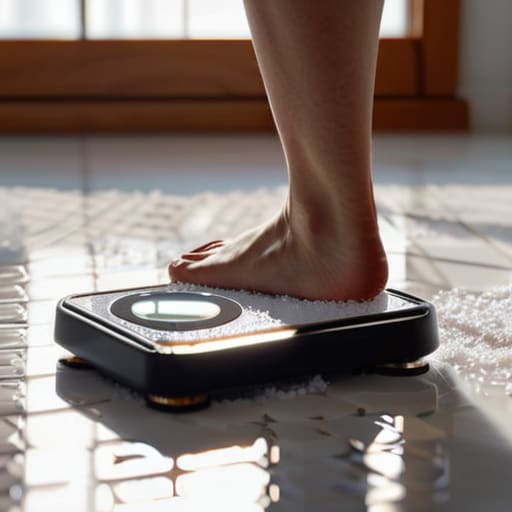
If you’re looking for a magic pill that makes the numbers on the scale move in a straight line downward, you’ve come to the wrong place. Real physiology is messy. Most of what you see when you step on that scale isn’t fat gain or loss; it’s just your body performing its basic, noisy functions. For instance, if you had a salty takeout meal last night, your sodium intake and scale changes will likely show a spike the next morning. That isn’t a failure of your willpower; it’s just your body holding onto extra fluid to balance out the salt.
I see this constantly in clinical practice—patients spiraling into a panic because they “gained” two pounds overnight. Usually, it’s just water retention and weight fluctuations driven by things as mundane as a heavy lifting session or a poor night’s sleep. When your muscles repair themselves after a workout, they hold onto fluid, which can mask actual progress. Instead of reacting to every single digit, I tell my clients to focus on tracking weekly weight trends. The daily noise is irrelevant; the long-term direction is what actually matters.
Why Sodium Intake and Scale Changes Are Mostly Meaningless Noise

If you had a particularly salty dinner—maybe some takeout or even just an extra pinch of seasoning on your roasted veg—and woke up two pounds heavier, please don’t panic. You haven’t suddenly gained fat overnight. What you’re actually seeing is the predictable relationship between sodium intake and scale changes. Salt is hygroscopic, meaning it attracts and holds onto water. When you increase your salt intake, your body holds onto more fluid to maintain its internal balance. It is a basic physiological mechanism, not a failure of your willpower or your diet.
The same logic applies to how your body manages energy. If you’ve had a higher carbohydrate intake than usual, your glycogen storage weight impact comes into play. For every gram of glycogen your body stores for fuel, it pulls in about three to four grams of water. It’s a bit like a sponge expanding in a bucket. This isn’t a metabolic disaster; it’s just your body doing its job. Instead of reacting to these spikes, I always suggest tracking weekly weight trends to see the actual direction you’re moving in.
The Hidden Math of Glycogen Storage Weight Impact
If you’ve ever had a particularly heavy carbohydrate day—maybe a celebratory pasta dinner or just a higher-than-usual intake of bread—and woken up three pounds heavier, please don’t panic. You haven’t suddenly gained fat. What you’re actually seeing is the glycogen storage weight impact in real-time. Your body stores carbohydrates in your muscles and liver as glycogen, and for every gram of glycogen your body holds onto, it pulls in roughly three to four grams of water to go with it.
It is a simple, biological storage mechanism, not a failure of your willpower. This is one of those physiological processes that causes significant water retention and weight fluctuations, making the scale look like it’s behaving erratically when, in reality, your metabolism is just doing its job. Instead of spiraling because of a single high-carb evening, I suggest you shift your focus toward tracking weekly weight trends. The scale is a terrible tool for measuring daily progress, but it becomes much more reliable when you look at the average over seven to fourteen days.
How Muscle Inflammation and Scale Weight Distort Your Progress
If you’ve recently started a new strength training program or pushed yourself through a particularly grueling HIIT session, don’t panic when the scale jumps two pounds the next morning. This isn’t fat gain; it’s a physiological response to micro-tears in your muscle fibers. When you train hard, your body initiates a repair process that involves a localized inflammatory response. This process naturally draws fluid to the site of the damage to facilitate healing, leading to significant muscle inflammation and scale weight shifts that have nothing to do with your actual body composition.
It is incredibly frustrating to feel like you’ve “ruined” a week of progress because of a single heavy leg day, but that weight is transient. You are essentially seeing the biological cost of repair. Instead of letting a single morning’s reading derail your mental health, I recommend tracking weekly weight trends rather than chasing daily perfection. The scale is a blunt instrument; it can’t distinguish between a lean muscle repair site and a layer of adipose tissue, so stop letting it dictate your worth.
Decoding Water Retention and Weight Fluctuations Without the Panic
When you wake up two pounds heavier after a particularly salty dinner or a stressful deadline, your brain immediately jumps to the worst-case scenario: fat gain. It feels personal, but it’s actually just biology being messy. Most of what we see on the scale is a temporary shift in fluid balance rather than a change in adipose tissue. Understanding water retention and weight fluctuations means accepting that your body is essentially a sponge; it reacts to hormonal shifts, temperature changes, and even how much you slept the night before.
Instead of spiraling, I want you to change how you view the data. If you try to find meaning in a single morning’s number, you’ll spend your life in a state of unnecessary anxiety. The real skill—and the part that actually yields results—is tracking weekly weight trends rather than daily snapshots. If the trend line is moving in the direction you want over a month, the daily spikes are just background noise. If you focus on the slow, steady trajectory, you stop letting a temporary bout of bloating dictate your mental health.
Stop Obsessing and Start Tracking Weekly Weight Trends Instead
If you find yourself staring at the scale every morning, feeling your stomach drop because you’ve suddenly “gained” two pounds overnight, I want you to take a breath. You haven’t gained two pounds of fat; that would require an astronomical caloric surplus that simply doesn’t happen in a single sleep cycle. What you’re seeing is just the biological noise I mentioned earlier. Instead of letting these spikes dictate your mood, I recommend tracking weekly weight trends to get a clearer picture of what is actually happening.
A single data point is a snapshot of a moment; a weekly average is a story of progress. When you look at the trend line over seven to fourteen days, the chaos of water retention and weight fluctuations starts to smooth out. You’ll see that the massive jumps caused by a salty dinner or a heavy leg day are just temporary blips. My advice is to stop treating the scale like a judge and start treating it like a slow-moving compass. It isn’t there to give you daily validation; it’s there to show you the general direction you’re heading.
How to actually live with a scale without losing your mind
- Look for the trend, not the dot. If you’re tracking daily, stop looking at the individual numbers and start looking at the seven-day moving average; that’s where the real signal lives, buried under all the daily noise.
- Stop weighing yourself after a salty meal or a heavy lifting session. You aren’t gaining fat overnight; you’re just seeing the physiological reality of how your body manages fluid and repair.
- Pick one time and stick to it. Weighing yourself in the morning after using the bathroom provides a level of consistency that evening weigh-ins—affected by everything you’ve eaten and drunk all day—simply cannot match.
- Contextualize the “jump.” If the scale spikes after a high-carb day, remind yourself that you’ve just topped up your glycogen stores, not that your diet has failed. It’s biology, not a mistake.
- Learn to ignore the “outlier” days. One bad reading is just a data point, not a trend. If you react to every spike with panic, you’ll end up making restrictive, unnecessary changes that actually sabotage your long-term progress.
The Bottom Line: What Actually Matters
Stop treating the scale like a truth-teller; it’s a blunt instrument that measures water, salt, and glycogen just as much as it measures fat.
Ignore the daily drama and look for the weekly trend; if the average direction isn’t moving, you haven’t failed, you’re just experiencing physiological noise.
Focus on the boring, repeatable habits—sleep, protein, and consistent movement—rather than chasing the phantom numbers that change every time you eat a salty meal.
## The Noise vs. The Signal
“If you’re treating a two-pound spike from a salty dinner like a personal failure, you’re missing the forest for the trees; your scale isn’t a truth-teller, it’s just a very sensitive, very noisy barometer of your last twenty-four hours.”
Marisol Trevino-Baird
The Long Game
At the end of the day, your scale is a blunt instrument, not a precision tool for measuring fat loss. We have spent this time looking at why sodium, glycogen, inflammation, and simple hydration shifts can make the number jump by several pounds overnight. These aren’t failures of your willpower or signs that your metabolism has suddenly broken; they are just the biological noise of being a living, breathing human. If you try to chase every single digit, you will exhaust yourself before you ever see real change. The goal isn’t to eliminate the fluctuations—that’s physiologically impossible—it’s to learn to ignore the daily static so you can focus on the actual signal.
Nutrition and health are not about perfection in a single twenty-four-hour window; they are about the boring, consistent patterns that emerge over months and years. When I’m out in the sea in the middle of January, I’m not thinking about the temperature of the water for a single minute; I’m thinking about the habit of showing up. Treat your weight the same way. Stop looking for the daily win and start looking for the weekly trend. If you stay the course with the dull, reliable basics, the results will eventually show up. Trust the process, not the morning readout.