I spent most of my morning shivering in the North Sea, and as I climbed out, my only thought was how much I dreaded the thought of lying in bed tonight, staring at the ceiling while my brain replayed every mistake I made in 2014. We are constantly sold these expensive, high-tech sleep gadgets and “biohacking” supplements that promise to fix our circadian rhythms, but most of it is just expensive noise. The reality is that your brain has likely spent months—maybe years—learning that your bedroom is actually a place for worrying, scrolling, or working. If you don’t fix that neurological association through stimulus control for sleep, no amount of magnesium glycinate is going to save you.

I’m not here to sell you a miracle pill or a $300 weighted blanket. Instead, I want to talk about the actual, slightly annoying mechanics of retraining your brain to recognize one thing: the bed is for sleep, and nothing else. We are going to strip away the fluff and focus on the boring, fundamental habits that actually move the needle. It won’t be glamorous, and it won’t happen overnight, but it is the only way to stop the midnight wrestling match with your own thoughts.

The Unsexy Truth About Stimulus Control for Sleep

The Unsexy Truth About Stimulus Control for Sleep

The problem with most sleep advice is that it focuses on the wrong things. People spend hundreds of dollars on silk eye masks or lavender sprays, thinking they’ve mastered sleep hygiene, when they haven’t actually addressed the psychological architecture of their bedroom. There is a massive difference between sleep hygiene vs stimulus control; one is about making your environment “cozy,” while the other is about the hard work of reconditioning sleep associations. If you spend three hours tossing and turning while scrolling through emails or worrying about your to-do list, your brain begins to view your mattress as a place of high-alert cognitive activity rather than rest.

This is where the real work happens. To fix this, you have to engage in the kind of disciplined, slightly annoying behavioral shifts found in cognitive behavioral therapy for insomnia (CBT-I). It means if you aren’t asleep within twenty minutes, you get out of bed. You don’t stay there hoping for a miracle; you leave. You are essentially breaking the wakefulness-bed connection by refusing to let your brain associate the sheets with the frustration of being awake. It isn’t glamorous, but it is effective.

Forget Sleep Hygiene Why Stimulus Control Actually Matters

Forget Sleep Hygiene Why Stimulus Control Actually Matters

We’ve been conditioned to believe that “sleep hygiene” is the holy grail. We’re told to dim the lights, buy silk pillowcases, and avoid caffeine after noon. Don’t get me wrong, those things are fine, but they are largely cosmetic. The real issue isn’t that your room is too bright; it’s that your brain has become a master at associating your mattress with the frustration of being wide awake. When you spend three hours tossing, turning, and scrolling through news feeds in the dark, you are inadvertently reconditioning your brain to view the bed as a place of high alert rather than rest.

This is where the distinction between sleep hygiene vs stimulus control becomes vital. While hygiene focuses on the environment, stimulus control targets the neurological link between your bed and wakefulness. This is a core component of cognitive behavioral therapy for insomnia (CBT-I), and it’s much harder to do than just buying a lavender diffuser. It requires breaking the wakefulness-bed connection by physically leaving the room the moment sleep eludes you. It feels counterintuitive, and it feels uncomfortable, but it is the most effective way to stop the cycle of nightly struggle.

Breaking the Wakefulness Bed Connection Once and for All

The problem isn’t that you aren’t tired; it’s that your brain has become an expert at being awake in bed. If you spend three hours every night tossing, turning, or scrolling through news feeds while your heart races, you are inadvertently training your nervous system to view the mattress as a place of frustration rather than rest. This is where reconditioning sleep associations becomes the heavy lifting of the process. You have to physically disrupt that feedback loop. If you aren’t asleep within what feels like twenty minutes, you need to get out. It feels counterintuitive—almost aggressive—to leave the very place you’re trying to rest, but staying there only reinforces the neurological link between your bed and your anxiety.

This is a core component of cognitive behavioral therapy for insomnia, and it’s significantly more effective than just buying a more expensive pillow. By removing yourself from the bedroom when you’re wide awake, you stop the cycle of associating your bed with wakefulness. You aren’t just waiting for sleep to happen; you are actively teaching your brain that the bedroom is a sacred, quiet space reserved for one thing and one thing only.

Reconditioning Sleep Associations Through the Slow Dull Work

This isn’t about a sudden epiphany or a new supplement; it’s about the tedious process of reconditioning sleep associations. When you spend hours tossing and turning, your brain stops seeing the mattress as a sanctuary and starts seeing it as a battlefield. You are essentially training your nervous system to stay alert the moment your head hits the pillow. To fix this, you have to be willing to endure the discomfort of getting out of bed when you can’t sleep. It feels counterintuitive, even frustrating, but you are teaching your brain that the bed is for one thing and one thing only.

This is a core component of many cognitive behavioral therapy for insomnia protocols, and frankly, it’s much harder than just dimming your lights an hour before bed. While most people get bogged down in the debate of sleep hygiene vs stimulus control, the real work lies in this behavioral shift. You aren’t looking for a quick fix; you are looking for long-term neurological rewiring. It is slow, it is often annoying, and it requires a level of discipline that most wellness influencers won’t tell you about—but it is exactly how you actually reclaim your nights.

Proven Insomnia Behavioral Therapy Techniques That Dont Fail

If you’re looking for a magic pill, you’ve come to the wrong place. The most effective insomnia behavioral therapy techniques are essentially just a series of disciplined, often frustrating, repetitions. The gold standard is Cognitive Behavioral Therapy for Insomnia (CBT-I), which isn’t some mystical healing session; it’s a structured way to dismantle the bad habits your brain has built around your mattress. We aren’t just talking about dimming the lights; we are talking about re-engineering your physiological response to your environment.

One of the heavy hitters here is sleep restriction, which sounds counterintuitive—I know, it sounds like a nightmare. But by limiting your time in bed to the actual amount of sleep you’re getting, you build up a genuine “sleep drive.” This is how you achieve real sleep onset latency improvement. You aren’t fighting your body; you’re working with its natural pressure to rest. It’s tedious, and there will be days when you feel like a zombie, but it is the most reliable way to stop the cycle of tossing and turning.

Mastering Cbt I for Real Sleep Onset Latency Improvement

When people talk about Cognitive Behavioral Therapy for Insomnia (CBT-I), they often make it sound like some mystical psychological breakthrough. It isn’t. It’s actually just a structured way of applying the same principles we’ve been discussing. If your goal is genuine sleep onset latency improvement—which is just a clinical way of saying “falling asleep faster”—you have to stop looking for a magic pill and start looking at your behaviors. CBT-I works because it targets the physiological and psychological loops that keep you wired.

The heavy lifting in CBT-I involves more than just “trying harder” to sleep. It requires you to lean into the discomfort of sleep restriction or systematic desensitization. This is where most people quit because it feels counterintuitive to limit your time in bed when you’re exhausted. However, by strictly adhering to these insomnia behavioral therapy techniques, you are essentially forcing your body to prioritize sleep over wakefulness. It’s tedious, it’s often frustrating in the first week, and it’s exactly what works when everything else fails.

The Five Non-Negotiables of Stimulus Control

  • Stop the midnight scrolling. If you aren’t sleeping, your phone is your enemy. Every time you pick it up to check the time or a notification, you are reinforcing the idea that your bed is a place for stimulation, not rest.
  • The bed is for two things only: sleep and intimacy. Period. No reading thrillers, no catching up on emails, and definitely no working from under the duvet. If you use your bed as a second office, don’t be surprised when your brain refuses to shut down at 11 PM.
  • The twenty-minute rule is your new best friend. If you’re lying there staring at the ceiling and your brain starts racing, get out of bed. Go to a different room, keep the lights low, and do something mind-numbing until you actually feel sleepy. Staying in bed while frustrated only teaches your body how to be awake in bed.
  • Consistency over intensity. It’s not about one perfect night of “sleep hygiene”; it’s about the boring, repetitive habit of getting up at the same time every single morning, regardless of how much sleep you actually got. This anchors your circadian rhythm better than any expensive supplement.
  • Create a buffer zone that actually works. You cannot flip a switch from “high-stress productivity” to “deep sleep” instantly. You need a predictable, low-stimulation window before bed that signals to your nervous system that the day is officially over. It’s not a luxury; it’s a biological requirement.

The Bottom Line

Stop looking for a magic pill or a new supplement; the real fix is the tedious work of retraining your brain to see your bed as a place for sleep, not a place for worrying or scrolling.

Sleep hygiene (like dimming the lights) is fine, but it won’t save you if you’re still lying awake for hours staring at the ceiling—stimulus control is about breaking that cycle of wakefulness.

This process is slow, it’s often frustrating, and it isn’t glamorous, but it is the most evidence-backed way to actually fix your sleep architecture without relying on a prescription.

The Bed is Not a Multitasking Hub

“We spend years training our brains to associate the bedroom with scrolling, worrying, or working, and then we act surprised when sleep won’t show up. You can’t expect a physiological shift if you’re still treating your mattress like a second office; you have to reclaim the bed as a place for nothing else but rest.”

Marisol Trevino-Baird

The Long Game

We’ve covered a lot of ground, and I know it isn’t particularly glamorous. We’ve moved past the superficial “sleep hygiene” checklists and looked at the actual mechanics of stimulus control—the hard work of decoupling your bed from your anxiety, your laptop, and your restless thoughts. It’s about reconditioning your brain through the consistent, often frustrating application of CBT-I principles. There are no magic supplements or high-tech gadgets that can bypass the physiological necessity of breaking that wakefulness-bed connection. You have to do the dull work of getting out of bed when you can’t sleep, simply because that is what the evidence demands.

If you feel discouraged because you didn’t see a transformation overnight, good. That means you’re actually doing the work rather than chasing a placebo. Real physiological change is a slow, incremental process, much like the way my body responds to a cold sea swim in mid-winter—it isn’t a lightning bolt; it’s a steady adaptation. Don’t look for the shortcut, because the shortcut doesn’t exist. Instead, focus on the unremarkable consistency of these habits. If you stay the course with the basics, your biology will eventually catch up to your intentions. Just keep showing up to the boring parts.


I spent my morning in the North Sea, and as I was shivering my way back to the shore, I couldn’t help but think about the absolute nonsense currently flooding my feed regarding “recovery protocols.” If I see one more influencer trying to sell a $200 compression boot or a proprietary electrolyte blend as the secret to better active recovery days, I might actually lose my mind. We’ve turned something fundamentally simple into a high-priced performance ritual, when in reality, most of these expensive gadgets are just expensive distractions from the physiological basics.

I’m not here to give you a new biohack or a complicated schedule to track on your smartwatch. My promise is much more boring than that: I am going to tell you what actually moves the needle based on clinical evidence and fifteen years of seeing people overcomplicate their way into burnout. We are going to strip away the marketing fluff and focus on the dull, effective movements that actually facilitate repair. If you want a shortcut, look elsewhere; if you want to understand how to actually use your rest to support your metabolism and movement, stay here.

Understanding Active Recovery Days

Understanding Active Recovery Days through movement.

When people ask me about this, they usually want to know if they can swap a heavy lifting session for something “better.” But let’s be clear: active recovery isn’t a secret training phase; it’s just movement that doesn’t tax your central nervous system. The fundamental difference between active vs passive recovery comes down to intent. Passive recovery is sitting on the sofa—which is fine, by the way—but active recovery involves choosing something low-impact to keep the machinery moving without adding more stress to the pile.

The actual physiological goal here isn’t to burn calories or build strength. It is about improving blood flow after a workout to help transport nutrients to the tissues that need them most. I often see patients obsessed with “flushing out toxins,” but we don’t really need to worry about that. What we do need to address is the stiffness and the sensation of heaviness in the limbs. By incorporating some light mobility exercises or a slow swim, you’re essentially just helping your body manage the inflammatory response in a way that feels a bit more fluid than just staying stagnant.

Key Things to Know

Key Things to Know: Active vs Passive Recovery

First, let’s clear something up: this isn’t about adding more work to your schedule. If you’re looking for a way to “crush” your recovery with high-intensity intervals, you’re in the wrong place. The real value of active vs passive recovery lies in the subtlety. While sitting on the sofa all day is fine occasionally, moving gently helps with improving blood flow after a workout, which is the primary mechanism that helps your tissues repair themselves. It’s about keeping the engine idling rather than turning it off completely.

Second, don’t get distracted by the hype around “flushing” toxins. You don’t need a specialized protocol for reducing lactic acid buildup; your liver and kidneys are already doing that job. Instead, focus on things like light mobility exercises or a slow walk. These are the low intensity exercise benefits that actually matter for long-term consistency. It’s not a flashy biohack; it’s just a way to manage muscle soreness relief without taxing your central nervous system. It’s boring, it’s slow, and it’s exactly what your body needs to stay ready for the next real session.

Practical Tips and Steps

If you want to actually implement this without overcomplicating it, start by looking at your calendar and identifying the days when your body feels heavy or sluggish. On those days, the goal isn’t to “crush it”; it’s about improving blood flow after workout sessions through movement that doesn’t raise your heart rate significantly. I usually opt for a slow, steady swim in the ocean or a gentle walk. The trick is to stay in that zone where you could easily hold a full conversation without gasping. If you find yourself huffing and puffing, you’ve missed the point and transitioned into another training session.

Don’t feel like you need a gym membership to make this work. A simple routine of mobility exercises for recovery—think gentle dynamic stretching or some light yoga in your living room—can do wonders for stiffness. I’ve found that the most effective approach is often the least glamorous one. Instead of chasing a high-tech recovery gadget, focus on the low intensity exercise benefits that come from simply staying mobile. It’s not flashy, and it won’t trend on social media, but it’s what keeps you consistent over the long haul.

Common Mistakes to Avoid

The biggest mistake I see—and I see it in my clinic all the time—is the tendency to treat “active recovery” as a euphemism for “another hard workout.” People come to me feeling burnt out, only to realize they’ve been trying to ‘recover’ by hitting a high-intensity interval session or a heavy lifting day. If you’re gasping for air, you aren’t recovering; you’re just adding more stress to an already taxed system. The goal here is improving blood flow after a workout without triggering a massive cortisol spike. If you leave the session feeling more exhausted than when you started, you’ve missed the point entirely.

Another trap is the obsession with the perfect movement. I see people spending hours searching for the ultimate secret to muscle soreness relief, thinking they need a complex sequence of fancy mobility exercises to see results. In reality, the most effective approach is often the most uninspiring one. You don’t need a specialized class; you just need to move enough to keep the blood moving. Stop overcomplicating it. The most effective way to support your body is often just a slow, rhythmic walk or a gentle swim in the sea.

Final Thoughts

At the end of the day, there is no secret supplement or high-tech compression gadget that will replace the simple physics of movement. If you are looking for a way to manage muscle soreness relief, you don’t need a biohack; you just need to move a little. Whether it’s a gentle walk or a slow dip in the sea, the goal isn’t to crush a new personal best, but to facilitate the boring, necessary work of improving blood flow after a workout.

The debate of active vs passive recovery often gets overcomplicated by people trying to turn rest into another metric to optimize. Don’t fall for that. If you are exhausted, sit down. But if you are just feeling stiff, a bit of light movement is usually the better bet. It isn’t flashy, and it won’t make for a great social media montage, but it is one of the few reliable ways to support your body in the long run. Stick to the basics, keep it low-intensity, and let your biology do the heavy lifting.

Five ways to actually do recovery without turning it into another workout

  • Stop trying to “crush” your recovery. If your heart rate is spiking and you’re checking your fitness tracker to see if you’ve hit a new zone, you aren’t recovering; you’re just training poorly. The goal here is movement that feels almost embarrassingly easy.
  • Keep the intensity low enough that you could hold a full, uninterrupted conversation. If you’re huffing and puffing during a “recovery” walk or swim, you’ve missed the point. It should feel like a gentle nudge to your circulation, not a challenge to your lungs.
  • Choose activities that don’t aggravate your existing niggles. If your knees hate running, don’t try to “recover” with a light jog. This is the time for a slow swim in the sea or a casual stroll—something that moves the joints without adding more mechanical stress.
  • Listen to your actual body, not your training schedule. Some days, the most evidence-based thing you can do for your metabolism and nervous system is to skip the “active” part entirely and just go for a nap or a slow stretch on the floor.
  • Focus on the boring basics like hydration and steady blood sugar. You can move all you want, but if you’re neglecting the fundamental fuel your body needs to repair tissue, your active recovery is just spinning your wheels.

The bottom line

Active recovery isn’t a secret training modality; it is simply the decision to move gently enough that you don’t add more stress to an already taxed system.

If you find yourself gasping for air or checking your heart rate monitor during these sessions, you aren’t “recovering”—you’re just training again, and you’re doing it poorly.

The most effective recovery is often the most unglamorous, consisting of things like a slow walk or a light dip in the sea rather than a high-tech recovery gadget.

The myth of the magic pill

People come to me looking for a biohack to speed up their progress, but active recovery isn’t a secret weapon or a way to cheat the system; it’s just the quiet, unglamorous work of moving your body enough to stay mobile without breaking it further.

Marisol Trevino-Baird

The Long Game

If you’ve followed this far, you already know that active recovery isn’t some revolutionary metabolic hack or a secret way to cheat your way to better fitness. It’s simply the practice of choosing low-intensity movement—a gentle walk, a light swim, or some easy mobility work—instead of sitting motionless on the sofa or, more importantly, pushing through another grueling session when your body is screaming for a break. We’ve covered the mistakes, like turning a “recovery” day into a second workout, and the practical ways to keep things moving without adding stress. At its core, it’s about managing your total load so that you don’t end up sidelined by injury or burnout. It is unremarkable, slow, and effective.

I know it’s not as exciting as a new high-intensity protocol or a flashy supplement stack, but the most successful people I see in clinical practice aren’t the ones chasing every trend; they are the ones who have mastered the art of the boring stuff. Resilience isn’t built in a single, heroic burst of effort; it is built in the quiet, steady intervals between the hard work. So, stop looking for the shortcut. Embrace the slow walk, respect your physiological limits, and remember that consistency over time will always outperform a single week of intensity followed by a month of injury. Just keep showing up, even when the way forward is quietly unexciting.

I spent my morning shivering in the North Sea, a ritual that is decidedly unglamorous and entirely lacking in “biohacking” magic. It reminded me of the endless parade of wellness influencers I see online, promising that you can overhaul your entire metabolic profile by Tuesday if you just buy the right supplements or follow a complex, multi-step morning routine. It’s exhausting, and frankly, it’s nonsense. People treat lifestyle changes like a software update—something you download all at once to fix every bug—when the reality is much more tedious. If you actually want to see a shift in your health, you have to stop chasing the dopamine hit of a “total transformation” and start focusing on one habit at a time.

I’m not here to sell you a roadmap to a new life by next month. My promise to you is much more unremarkable than that. I’m going to help you strip away the noise and identify the few, dull, evidence-based actions that actually move the needle on your nutrition and movement. We aren’t going to reinvent you; we are simply going to pick one thing, do it until it’s boring, and then move on.

Stop Chasing Magic the Slow Reality of One Habit at a Time

Stop Chasing Magic the Slow Reality of One Habit at a Time

We are currently drowning in a sea of “optimization.” My inbox is constantly flooded with people asking about the perfect supplement stack, the exact window for intermittent fasting, or the specific HIIT protocol that will finally fix their metabolism. It’s exhausting. This obsession with the “silver bullet” creates an immense amount of cognitive load, making you feel like you need a PhD just to manage your breakfast. When you try to overhaul your entire life on a Monday morning, you aren’t building a lifestyle; you are just scheduling a spectacular crash for Thursday.

The truth is much more tedious. Real, lasting change relies on the quiet, unsexy mechanics of neuroplasticity and routine formation. It’s about the repetitive, almost rhythmic act of doing one small thing until your brain stops fighting it. I see it in my clinic every day: the person who finally sees results isn’t the one who did a thirty-day detox, but the one who finally committed to drinking a glass of water before their coffee. It isn’t flashy, and it won’t trend on social media, but it is the only way to build something that actually sticks.

Why Your Brain Hates the Hustle Managing Cognitive Load and Habit Stacking

Why Your Brain Hates the Hustle Managing Cognitive Load and Habit Stacking

The reason most New Year’s resolutions die by February isn’t a lack of willpower; it’s a fundamental misunderstanding of cognitive load. Your brain is an energy hog, and every time you try to overhaul your entire existence—new diet, new gym split, new sleep hygiene—you are essentially asking it to run a marathon while carrying a backpack full of rocks. When you attempt to change everything at once, you trigger a survival response that favors the path of least resistance: your old, comfortable, mediocre habits.

This is where the concept of habit stacking actually becomes useful, provided you don’t overcomplicate it. Instead of inventing entirely new neural pathways from scratch, you anchor a small, new behavior to something you already do without thinking. If you want to start taking a daily probiotic, don’t set a new alarm; just put the bottle next to your coffee maker. By utilizing incremental habit building, you aren’t fighting your biology; you’re working with it. It’s much easier to piggyback on an existing rhythm than it is to force a total systemic reboot.

The Boring Truth About Neuroplasticity and Routine Formation

We tend to talk about neuroplasticity as if it’s some lightning-bolt moment of transformation, a sudden rewiring of the soul. In reality, it’s much more tedious. When we discuss neuroplasticity and routine formation, we aren’t talking about a grand metamorphosis; we are talking about the biological equivalent of carving a path through a dense forest by walking the same line every single morning. Your brain doesn’t reward the person who tries to change their entire life on a Monday morning. It rewards the person who shows up, performs the same dull, repetitive action, and survives the discomfort of repetition.

This is where most people trip up. They attempt to bypass the biological necessity of repetition in favor of intensity. But the brain is an energy-saver by design; it only commits to new neural pathways when the stimulus is consistent and, more importantly, predictable. If you are constantly oscillating between radical dietary shifts and intense new workout regimes, you aren’t rewiring anything—you’re just creating noise. True incremental habit building relies on the quiet, unsexy work of proving to your nervous system that this new behavior isn’t a temporary threat, but a permanent fixture of your landscape.

Beyond the Hype Applying True Atomic Habits Principles

When we talk about applying actual atomic habits principles, we need to strip away the polished aesthetic you see on social media. It isn’t about aesthetic meal prep containers or perfectly color-coded planners; it’s about the quiet, often invisible work of reducing friction. If you want to change how you eat or move, stop trying to overhaul your entire identity by Monday morning. Instead, look for the smallest possible lever. If you want to improve your hydration, don’t buy a gallon jug; just put a glass of water on your nightstand before you go to sleep.

The goal here is sustainable lifestyle changes, which is just a clinical way of saying “things you can actually do when life gets messy.” Real progress happens when you stop treating every deviation from your plan as a total failure. When you focus on incremental habit building, you learn that a “bad” day is just a data point, not a reason to quit. We aren’t looking for a transformation; we are looking for consistency that survives a crisis. That is the only way to make it stick.

How to Survive the Mess of Overcoming Habit Overwhelm

When things inevitably fall apart—and they will—your first instinct will be to scrap the whole plan and start from scratch on a “fresh” Monday. This is where most people fail. They treat a slip-up like a total system failure rather than a data point. To survive overcoming habit overwhelm, you have to stop viewing your progress as a straight line. It’s more like a messy, jagged scribble. If you miss a day of your morning walk or reach for the processed snack you were trying to limit, don’t perform a post-mortem on your willpower. Just show up for the next scheduled event.

The trick to making sustainable lifestyle changes isn’t about being perfect; it’s about reducing the friction of getting back on track. When the mental clutter becomes too much, strip everything back to the absolute bare minimum. If you can’t manage a thirty-minute workout, just put on your trainers. If you can’t prep a full nutritious meal, just add one extra portion of vegetables to whatever is on the plate. Lower the bar until it’s impossible to fail. That is how you actually build resilience.

The Unglamorous Path Toward Sustainable Lifestyle Changes

If you’re waiting for a moment of sudden, crystalline clarity where your new routine feels effortless, I have some bad news: it isn’t coming. Real, sustainable lifestyle changes don’t arrive with a fanfare or a montage of sweeping cinematic transformations. Instead, they arrive in the quiet, repetitive moments when you choose to do the thing even though you’re tired, or bored, or just plain uninspired. It’s the decision to walk for ten minutes after dinner for the twentieth day in a row, even when the novelty has long since evaporated.

This is where most people trip up. They mistake the initial burst of motivation for progress, only to crash when the dopamine spike subsides. To actually make this work, you have to embrace incremental habit building as a form of discipline rather than a pursuit of excitement. You aren’t looking for a breakthrough; you are looking for consistency in the mundane. It’s about accepting that the middle part of any change is messy, uncoordinated, and deeply unphotogenic, but it is the only part that actually sticks.

Five ways to actually make a habit stick without the drama

  • Shrink the habit until it feels slightly ridiculous. If you want to start a walking routine, don’t aim for forty minutes; aim for ten. If you can’t do it on your worst, most exhausted day, the goal is too big.
  • Stop looking for the perfect “trigger.” You don’t need a complex ritual involving a specific scented candle and a sunrise. Just tie the new behavior to something you already do, like brushing your teeth or making your first coffee.
  • Audit your environment before you audit your willpower. If you want to eat more protein, put the Greek yogurt on the middle shelf where you can see it. Don’t rely on your brain to make good choices when it’s tired; make the choice easy by moving the food.
  • Accept the inevitable “messy” days. You will miss a day. You will eat the processed snack or skip the movement. The goal isn’t a perfect streak; it’s reducing the time between the slip-up and the next attempt.
  • Ignore the “optimization” trap. You don’t need a new wearable, a specialized app, or a complicated spreadsheet to track your progress. If the tracking feels like a chore, it’s just another thing you’re going to quit. Just do the thing.

The unglamorous summary

Stop looking for a breakthrough. Real change isn’t a lightning bolt; it’s the quiet, repetitive decision to do the same dull thing on a Tuesday when you’d rather be doing anything else.

Respect your cognitive bandwidth. If you try to overhaul your entire life in a weekend, you will fail, because your brain isn’t designed for constant upheaval—it’s designed for efficiency and, eventually, routine.

Focus on the boring stuff that actually works. You don’t need a new supplement or a complex biohack; you need to pick one foundational habit, stick to it until it feels automatic, and ignore the noise.

The fallacy of the overnight transformation

We spend so much time hunting for the “secret” that we ignore the obvious: real change isn’t a lightning bolt; it’s just the cumulative weight of a dozen boring Tuesdays where you did exactly what you said you were going to do.

Marisol Trevino-Baird

The long game is the only game

If you’ve made it this far, you’ve likely realized that there is no secret sauce waiting at the end of a twenty-one-day challenge. We have spent this time dismantling the myth of the “overnight transformation” and looking instead at the heavy lifting of cognitive load, neuroplasticity, and the sheer monotony of repetition. We’ve established that true change isn’t a lightning strike; it is the cumulative result of managing your energy, lowering your expectations, and refusing to let a single bad day derail a year of progress. It is about choosing the one boring, reliable thing that actually moves the needle and having the discipline to stay there when the novelty inevitably wears off.

I know it isn’t as exciting as a new supplement protocol or a radical detox, but I promise you, the slow way is the only way that actually sticks. When I’m out in the ocean for a winter sea swim, the water doesn’t suddenly get warmer just because I decided to be more motivated; I just get better at being in it. Treat your habits the same way. Stop waiting for a surge of inspiration to carry you across the finish line. Instead, embrace the quiet, unglamorous persistence of showing up. The magic isn’t in the habit itself, but in your refusal to quit when it gets dull.

I spent most of my morning in the freezing Atlantic, and as I climbed out, shivering and salt-crusted, I found myself thinking about the clients who call me panicking because they can’t seem to lose that last bit of soft tissue on their hips. They’ve spent hundreds on “targeted fat-burning” creams and high-intensity protocols, convinced that if they just work harder, they can decide where the weight goes. But the reality of visceral versus subcutaneous fat isn’t something you can manipulate with a specific supplement or a boutique workout; it’s a biological distinction that most marketing gurus completely ignore to sell you a dream.

I’m not here to give you a magic pill or a complicated new way to track your macros. Instead, I want to strip away the noise and explain what is actually happening inside your midsection and why one type of storage is far more consequential for your long-term health than the other. We are going to look at the boring, foundational science of how your body partitions energy, because once you understand the difference, you can stop chasing trends and start focusing on the slow, steady habits that actually move the needle.

The Unsexy Truth About Visceral Versus Subcutaneous Fat

The Unsexy Truth About Visceral Versus Subcutaneous Fat

Most people spend their lives obsessing over the fat they can pinch under their skin. We stand in front of mirrors, tugging at our midsections, worried about the aesthetic implications of subcutaneous fat. But as a dietitian, I have to tell you: that soft, squishy layer is the least of your concerns. It sits just under the surface, acting more like a cushion than a threat.

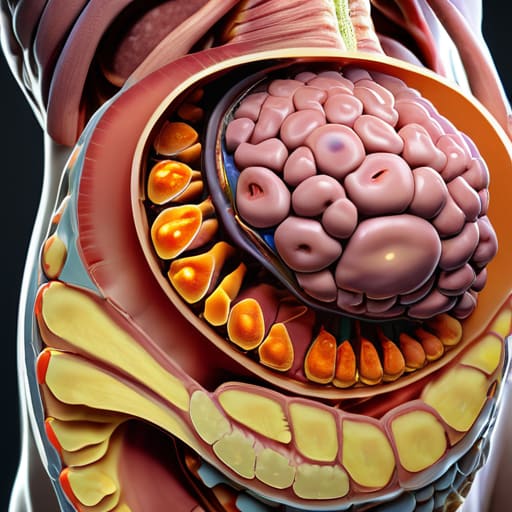
The real trouble is the stuff you can’t see or feel. Visceral fat lives deep inside your abdominal cavity, weaving itself around your liver, pancreas, and intestines. This isn’t just a matter of body composition and fat distribution; it is a matter of internal chemistry. Unlike the subcutaneous layer, this deep-seated fat is metabolically active, meaning it’s constantly pumping out inflammatory signals and hormones into your bloodstream.

This is why the link between metabolic syndrome and visceral fat is so well-documented in the literature I spend my afternoons reading. It creates a direct, high-speed highway for inflammation to reach your vital organs. If you want to focus your energy on something that actually matters for your longevity, stop worrying about the pinchable bits and start looking at the silent, metabolic pressure happening underneath.

Why Belly Fat vs Subcutaneous Fat Matters More Than Scale Weight

Why Belly Fat vs Subcutaneous Fat Matters More Than Scale Weight

The scale is a blunt instrument. It tells you how much you weigh, but it has no idea what you are actually made of. I have spent years watching patients spiral into frustration because the number on the scale didn’t budge, even though their health was fundamentally shifting. The problem is that the scale treats a pound of muscle and a pound of fat as identical units, but your biology certainly doesn’t. When we talk about body composition and fat distribution, we are looking at the real story of your health—one that a bathroom scale is completely blind to.

If you are focused solely on the total number, you might miss the more critical distinction between the fat you can grab with your fingers and the fat tucked deep inside. While subcutaneous fat is mostly an aesthetic concern, the impact of visceral fat on organs is where the real physiological stakes lie. This internal storage is biologically active, pumping out inflammatory signals that drive insulin resistance. This is why understanding the difference between belly fat vs subcutaneous fat is so vital; you can be a “normal” weight on paper and still be at significant risk for metabolic dysfunction.

The Silent Threat Impact of Visceral Fat on Organs

Here is the problem with visceral fat: it isn’t just sitting there like a passive cushion. Unlike the subcutaneous layer that sits neatly under your skin, visceral fat is biologically active. It functions more like an endocrine organ than a storage depot, constantly pumping out inflammatory cytokines and hormones directly into your bloodstream. This constant chemical signaling is a primary driver of metabolic syndrome and visceral fat complications, creating a state of low-grade, systemic inflammation that your body simply cannot ignore.

When we talk about the impact of visceral fat on organs, we are talking about physical and chemical proximity. Because this fat wraps tightly around your liver, pancreas, and intestines, it interferes with how these organs function. It can trigger insulin resistance almost by proximity, making it much harder for your body to regulate blood sugar. It isn’t just about how you look in a swimsuit; it’s about the silent, biochemical interference happening deep inside your abdomen, long before any noticeable change shows up on a scale or a measuring tape.

When I sit across from patients in the clinic, we often move past the scale and start talking about how the body actually functions. This is where the connection between metabolic syndrome and visceral fat becomes impossible to ignore. It isn’t just about looking a certain way in a swimsuit; it’s about the biochemical storm happening under the surface. Visceral fat isn’t a passive storage depot like the fat you can pinch; it is biologically active. It behaves more like an endocrine organ, pumping out inflammatory signals and fatty acids directly into your portal vein, heading straight for your liver.

This constant influx is what drives the cluster of issues we call metabolic syndrome—rising blood pressure, erratic blood sugar, and dyslipidemia. When we look at body composition and fat distribution, the pattern tells a much more urgent story than total weight ever could. If your fat is migrating from under the skin to around the midsection, your metabolic health is essentially sending you a warning flare. It’s a slow, quiet shift, but it’s the primary driver behind most of the chronic metabolic dysfunction I see in my practice.

Why Abdominal Fat Health Risks Are Not a Quick Fix

If you’re looking for a three-week protocol to “melt away” the danger zone, I’m going to disappoint you. The reality is that addressing abdominal fat health risks isn’t about a sudden metabolic shift; it’s about a long-term recalibration of your lifestyle. Most of the “hacks” I see on social media focus on short-term water weight or temporary calorie deficits that do nothing to change your underlying body composition and fat distribution.

Reducing the deep, internal fat that wraps around your organs requires patience. You can’t out-supplement a sedentary lifestyle or a diet high in ultra-processed foods, no matter how many “detox” teas you buy. Instead, how to reduce visceral fat effectively comes down to the boring, repetitive work: consistent strength training, prioritizing sleep, and managing chronic stress. It is a slow, incremental process of moving the needle. It isn’t glamorous, and it certainly isn’t fast, but consistency is the only thing that actually works when you are trying to fundamentally change your metabolic health.

Mastering Body Composition and Fat Distribution the Slow Way

If you are looking for a specific “visceral fat burner” supplement or a three-week shred program, you can stop reading now. I don’t have one, and frankly, neither does science. Real progress in shifting your body composition and fat distribution isn’t found in a pill; it’s found in the cumulative, often tedious, consistency of your daily habits. It’s about the slow creep of better sleep, more protein at breakfast, and moving your body in ways that don’t feel like a punishment.

The reality is that the most effective way to address how to reduce visceral fat is to stop looking for the shortcut and start looking at your baseline. We have to manage the metabolic stressors that drive fat toward your midline in the first place. This means prioritizing muscle preservation through resistance training and stabilizing your blood sugar. It is not glamorous, and it certainly won’t make for a viral TikTok video, but it is the only way to move the needle on the fat that actually matters for your long-term health.

Five Boring, Effective Ways to Manage Your Fat Distribution

  • Prioritise protein and fibre over “fat-burning” supplements. Most of the pills you see on Instagram are expensive urine; what actually works is keeping your insulin stable through slow-releasing nutrients that prevent the metabolic signals that tell your body to store visceral fat.
  • Stop chasing the scale and start measuring your waist. Since subcutaneous fat (the stuff you can pinch) and visceral fat (the stuff you can’t) behave differently, the scale won’t tell you if you’re losing the dangerous internal kind or just losing water weight.
  • Move more, but don’t obsess over HIIT. High-intensity interval training is fine, but consistent, moderate movement like walking or resistance training is much more sustainable for long-term metabolic health and managing systemic inflammation.
  • Protect your sleep like your life depends on it. When you’re sleep-deprived, your cortisol spikes, and cortisol is a direct driver for abdominal fat storage. You can’t out-diet a chronic lack of rest.
  • Embrace the slow burn. There is no biological “hack” to target visceral fat specifically. You have to improve your overall metabolic health through consistent, unglamorous habits, and eventually, your body will redistribute that storage more safely.

The Bottom Line

Stop obsessing over the number on the scale; a steady weight can hide a dangerous shift in fat distribution from subcutaneous to visceral.

Focus on the “silent” fat around your organs, as it is the primary driver of metabolic dysfunction, not the soft fat you can pinch.

Accept that there are no shortcuts to changing your body composition; it requires the slow, repetitive work of consistent nutrition and movement.

## The Metric That Matters

“Stop obsessing over the soft layer you can pinch between your fingers; that’s just insulation. The real conversation is about the invisible, stubborn fat hugging your organs—the kind that doesn’t show up on a scale but dictates your metabolic future.”

Marisol Trevino-Baird

The Long Game

We’ve covered a lot of ground, and I know it isn’t particularly glamorous. We’ve moved past the obsession with the number on the scale to look at the much more important reality of where that weight is actually sitting. We know that while subcutaneous fat is what you see in the mirror, visceral fat is the silent driver behind metabolic dysfunction and organ stress. There is no magic tea, no specific “belly fat burner,” and no overnight fix to rearrange your internal architecture. Reducing visceral fat requires a consistent, unglamorous commitment to stable blood sugar, adequate movement, and decent sleep. It is about addressing the metabolic environment rather than just chasing a smaller waistline.

If you feel discouraged by how slow this process feels, remember that biology doesn’t work in sprints; it works in seasons. The changes that actually stick—the ones that protect your heart and your insulin sensitivity—are the ones that happen quietly in the background while you are simply living your life. Don’t look for the shortcut, because the shortcut is usually a lie. Instead, find pride in the boring, steady habits that build a healthier foundation. You aren’t just trying to change how you look; you are fundamentally changing how your body functions. And that is a goal worth every bit of the patience it requires.

I spent most of my morning staring at a clinical study about heat-stable antioxidants, and frankly, it reinforced my biggest frustration: the internet loves to make nutrition feel like a high-stakes chemistry experiment. You’ll see influencers claiming that a specific, expensive sous-vide machine is the only way to save your vegetables, or that boiling anything is a “sin” against your health. It’s exhausting. The truth about cooking methods and nutrient loss isn’t found in a $500 gadget or a complicated ritual; it’s usually found in the boring, unglamorous reality of how much water you use and how long you leave the heat on.

I’m not here to sell you a kitchen overhaul or a new way of life. My promise is much simpler and, I suspect, a bit more tedious. I am going to strip away the panic and the marketing fluff to show you which techniques actually matter and which ones are just noise. We are going to look at the evidence to see which dull, reliable habits actually preserve what you’re paying for at the grocery store. No magic, no shortcuts—just the facts.

Understanding Cooking Methods and Nutrient Loss

Understanding Cooking Methods and Nutrient Loss.

Before we get into the weeds of specific pans and temperatures, we need to be clear about what is actually happening on a molecular level. When we talk about nutrition, we aren’t just talking about “calories in” versus “calories out”; we are talking about the integrity of the micronutrients themselves. The primary culprit in most kitchens is the leaching of water-soluble vitamins degradation, specifically B-vitamins and Vitamin C. If you are boiling your vegetables in a large pot of water and then dumping that liquid down the drain, you aren’t just cleaning the food—you are essentially pouring your nutrition into the sink.

It isn’t just about the water, though. We also have to contend with heat-sensitive nutrients in vegetables that simply cannot withstand prolonged exposure to high temperatures. This is where the debate between raw and cooked food gets messy. While eating everything raw might seem like the safest bet for preserving vitamins, it’s a bit of a simplification. Some nutrients, like lycopene in tomatoes, actually become more bioavailable when heated. My goal isn’t to tell you to stop cooking; it’s to help you understand the nutrient density in cooked vs raw foods so you can stop worrying about the “perfect” way and start focusing on the most efficient one.

Key Things to Know

Key Things to Know: Vitamin leaching.

First, let’s get one thing straight: you aren’t going to “destroy” your food by making dinner. Most of the panic around nutrient loss is overstated. However, if you are obsessed with getting every milligram of value out of your groceries, you need to understand how heat and liquid interact. The biggest culprit is usually the water. When we talk about water soluble vitamins degradation, we are primarily looking at the B-vitamins and Vitamin C leaching out into the pasta water or the vegetable broth you eventually pour down the drain. If you’re boiling your greens into a grey mush, you aren’t just losing texture; you’re losing the very things you bought them for.

Second, stop worrying so much about the microwave. Despite the popular myth that it’s a nutritional wasteland, the quick, intense bursts of energy often do a better job of retaining vitamins during food preparation than long, slow boiling. Because the cooking time is shorter, there is less opportunity for heat-sensitive nutrients in vegetables to break down. The goal isn’t perfection; it’s about choosing the method that requires the least amount of “wash-out” time.

Practical Tips and Steps

If you want to actually see a return on the money you spend at the grocery store, you have to stop treating your kitchen like a chemistry lab and start treating it like a series of small, sensible choices. My first piece of advice is to stop boiling your vegetables into a grey, mushy oblivion. When you boil, you aren’t just softening the fibers; you are essentially creating a nutrient soup that you then pour down the drain. To avoid significant water soluble vitamins degradation, switch to steaming or quick sautéing. These methods allow you to maintain the structural integrity of the food while ensuring those delicate micronutrients actually make it onto your plate.

Secondly, don’t fear the microwave. There is a persistent myth that it’s “unnatural,” but from a clinical standpoint, the impact of microwave cooking on nutrition is often much lower than traditional long-form boiling because it uses less water and less time. If you are short on time, use it. The goal isn’t to achieve culinary perfection; it’s about retaining vitamins during food preparation without making your life unnecessarily complicated. Keep it simple, keep it fast, and stop overthinking the “purity” of your process.

Common Mistakes to Avoid

The biggest mistake I see—and I see it in clinical practice all the time—is the assumption that “more” is always better. People think a heavy boil is just a way to get things soft, but you’re essentially creating a vitamin-rich soup and then pouring it down the drain. This is where we see the most significant water soluble vitamins degradation, particularly with B vitamins and Vitamin C. If you’re boiling your greens until they’re a mushy, grey mess, you haven’t just cooked them; you’ve effectively stripped them of their value.

Another trap is the fear of heat itself. There is a persistent myth that raw is always superior, but that’s a reductionist way of looking at biology. While some heat sensitive nutrients in vegetables do diminish with high temperatures, others—like the lycopene in tomatoes—actually become more bioavailable when heated. The goal isn’t to avoid heat entirely, but to stop being reckless with it. Stop overcomplicating your prep with unnecessary steps; most of the “damage” happens because we are being impatient rather than precise.

Final Thoughts

At the end of the day, we need to stop looking for a single “perfect” way to prepare every meal. If you spend your entire evening stressing over the exact degree of water soluble vitamins degradation in your broccoli, you’re going to burn out before you even sit down to eat. The goal isn’t perfection; it’s about making better choices most of the time. I’ve spent fifteen years watching people overcomplicate their plates, and usually, the solution is much simpler than the latest wellness influencer suggests.

Focus on the big wins. If you can move away from boiling everything into a tasteless mush and start embracing steaming or quick sautéing, you’ve already won half the battle. It’s about understanding the nutrient density in cooked vs raw foods and knowing when a little heat is actually your friend. Most of these changes are small, slightly tedious, and entirely unexciting. But they work. Stick to the basics, don’t overthink the science, and just try to keep the good stuff in your food.

The unglamorous reality of keeping your vitamins

  • Stop boiling your vegetables into oblivion. If you’re drowning your greens in a massive pot of water just to drain it all down the sink, you aren’t just losing vitamins; you’re literally flushing your money away. Use just enough water to steam them, or better yet, skip the water entirely.
  • Embrace the microwave. I know, it feels like “cheating” or eating processed food, but from a clinical perspective, the short cook time and minimal water usage mean it’s actually one of the best ways to preserve heat-sensitive nutrients like Vitamin C.
  • Respect the “al dente” rule. Whether it’s pasta or broccoli, that slight resistance under your teeth is a sign that you haven’t cooked the life out of the food. The longer you apply heat, the more the cellular structure breaks down and lets those nutrients leak out.
  • Use your “waste” water. If you do insist on boiling something like potatoes or carrots, don’t just pour that cloudy liquid down the drain. That water is a concentrated broth of water-soluble vitamins. Throw it into a soup or use it as a base for a sauce.
  • Cut your produce right before you cook. If you chop your vegetables in the morning and leave them sitting in a container until dinner, you’re giving oxygen a head start on degrading those delicate antioxidants. Chop, cook, and eat—keep it simple and keep it fresh.

The bottom line

Stop looking for a miracle technique; the goal isn’t perfection, it’s just minimizing the obvious losses caused by excessive water and heat.

Prioritize methods like steaming or quick sautéing over long boils, because if you’re throwing the cooking liquid down the sink, you’re essentially throwing your micronutrients away.

Accept that some nutrient loss is inevitable, but choosing the slightly more tedious, slower cooking method is usually worth the effort for the actual nutritional payoff.

The reality of the kitchen

We spend so much time hunting for the next superfood, but we rarely talk about how much of that nutrition we’re literally pouring down the sink because we boiled the life out of our vegetables. It isn’t a mystery; it’s just physics.

Marisol Trevino-Baird

The Bottom Line

At the end of the day, there is no secret alchemy to making your vegetables more nutritious; there is only the reality of how heat and water interact with what you’ve bought. We’ve talked about why boiling your greens into a grey mush is a waste of your grocery budget, and why steaming or quick sautéing is the more sensible, albeit less flashy, route. It comes down to a few simple, repetitive choices: keep the water usage low, keep the cooking times short, and try to respect the ingredients enough to not overprocess them. It isn’t glamorous, and it certainly won’t change your life overnight, but minimising nutrient leaching is a foundational habit that actually holds up under scrutiny.

I know it is tempting to look for the next “superfood” or a miracle supplement that bypasses the need for careful preparation. But after fifteen years in clinical practice, I can tell you that the most effective way to support your metabolism is through these small, unexciting wins in the kitchen. Don’t let the pursuit of perfection paralyze you, but do aim for better. If you can commit to just one or two of these methods—perhaps choosing to steam your broccoli instead of drowning it—you are already doing more than most. Focus on the slow, steady accumulation of good habits; that is where the real science of health actually happens.

I spent most of my morning shivering in the North Sea, a ritual that usually clears my head, but today my thoughts kept drifting back to a patient who had spent three months and four hundred dollars on a “smart” sleep tracker that promised to optimize her circadian rhythms. She was chasing a digital ghost, desperate for a technological miracle to fix her insomnia, when what she actually needed was something far more unglamorous. Most people treat sleep like a mystery to be solved with expensive gadgets or exotic supplements, but they completely overlook the heavy lifting required by sleep restriction therapy. It isn’t a high-tech hack; it’s a blunt, somewhat irritating physiological recalibration that most people try to avoid because it sounds too simple to work.

I’m not here to sell you a new pillow or a magnesium blend that promises the moon. If you’re looking for a quick fix that feels good in the moment, you won’t find it in my writing. Instead, I’m going to walk you through the mechanics of sleep restriction therapy with the same skepticism I apply to every clinical study I read. I will tell you exactly why this method feels like a chore, why it’s notoriously difficult to stick to, and why—despite how utterly boring it sounds—it remains one of the few evidence-led tools actually worth your time.

Understanding Sleep Restriction Therapy

Understanding Sleep Restriction Therapy concepts.

To understand how this works, you have to stop thinking about sleep as something you can “force” through sheer willpower. Most people I see in clinic are trying to compensate for poor sleep by spending ten hours in bed, tossing and turning, hoping that more time equals more rest. It doesn’t. In fact, it does the opposite. It dilutes your sleep drive.

The core idea is actually quite simple, though I realize that sounds like an understatement: we are trying to consolidate sleep cycles by limiting your time in bed to the actual amount of time you are sleeping. By creating a tighter, more disciplined window, we use a bit of strategic sleep deprivation management to build up what I call “sleep hunger.”

It is a cornerstone of broader CBT-I techniques for insomnia, and while it feels counterintuitive to spend less time in bed when you’re exhausted, the goal is improving sleep efficiency. We aren’t trying to make you more tired for the sake of it; we are training your brain to recognize that the bed is for sleeping, not for ruminating or scrolling through your phone in the dark.

Key Things to Know

Key Things to Know: Consolidating sleep cycles.

First, let’s be clear: this isn’t a “hack.” If you’re looking for a supplement or a breathing exercise that fixes everything in a weekend, you won’t find it here. What you are actually doing is consolidating sleep cycles by forcing your brain to stop treating the bed like a place for scrolling, worrying, or tossing and turning. It is a disciplined process of narrowing your time in bed to match the actual amount of sleep you are getting, rather than the amount you wish you were getting.

The goal here is improving sleep efficiency, which is just a clinical way of saying we want to reduce the time you spend lying awake and frustrated. By tightening that window, you are essentially retraining your biological drive to sleep. It requires a level of meticulous consistency that most people find frustrating, but it is a fundamental pillar of broader CBT-I techniques for insomnia. It’s not glamorous, and it will likely make you feel quite tired for the first week or two, but it is how we rebuild the foundation.

Practical Tips and Steps

If you’re going to do this, you need to treat it like a clinical protocol rather than a lifestyle hack. Start by calculating your actual average sleep time—not the time you spend lying awake staring at the ceiling, but the time you are actually unconscious. This becomes your new, strict sleep window. You aren’t aiming for perfection on day one; you are aiming for improving sleep efficiency by ensuring that when you are in bed, you are actually sleeping. It will feel counterintuitive, and frankly, it will feel exhausting for the first week or two.

To make this work, you have to be ruthless with your wake-up time. Pick a time and stick to it, even on Saturdays, to support circadian rhythm regulation. If you find yourself tossing and turning, get out of bed. This is a core part of CBT-I techniques for insomnia: we are breaking the association between your mattress and your anxiety. Don’t try to “catch up” on sleep during the day with naps; that just muddies the water. It’s a slow, often frustrating process of consolidating sleep cycles, but it’s the only way to rebuild a reliable foundation.

Common Mistakes to Avoid

The biggest mistake I see is the urge to “cheat” when the exhaustion hits. People start this process and, after three nights of feeling like a zombie, they decide to go to bed an hour earlier to compensate. This completely defeats the purpose of sleep window optimization. You aren’t just trying to get more sleep; you are trying to teach your brain that the time spent in bed is strictly for sleeping. If you widen that window too soon, you’re just reinforcing the habit of lying awake and staring at the ceiling, which is exactly what we’re trying to break.

Another pitfall is treating this like a solo sprint rather than a component of broader circadian rhythm regulation. I see patients try to fix their sleep architecture while still drinking coffee at 4 PM or scrolling through blue-light-heavy feeds until midnight. You can’t expect the mechanics of the restriction to do all the heavy lifting if your lifestyle is actively working against you. It’s not about a magic pill; it’s about consistency over intensity. If you aren’t disciplined with your wake times, the whole process tends to unravel.

Final Thoughts

Look, I know how this sounds. After reading through the mechanics of it, most people want to go find a supplement or a high-tech wearable that promises a “hack” for better rest. But the reality is that real change in sleep architecture isn’t found in a bottle; it’s found in the discipline of improving sleep efficiency through these somewhat tedious behavioral shifts. It isn’t glamorous, and it certainly isn’t fast, but it is effective because it works with your biology rather than trying to bypass it.

If you decide to commit to this, please be patient with yourself. You are essentially retraining your brain to associate the bed with sleep rather than with the anxiety of being awake. While I often see people jump straight to complex CBT-I techniques for insomnia, the most impactful thing you can do is simply stay consistent with your window. It’s a slow build, but if you can weather the initial fatigue, you’ll find that the quality of your rest eventually catches up to the discipline of your schedule. Stick to the dull stuff. It actually works.

How to actually survive the first two weeks

  • Stop treating your bed like a lounge chair. If you aren’t sleeping, get out. It sounds harsh, but you have to break the neurological link between your mattress and your frustration.
  • Stick to the window, even when it hurts. You will feel like a zombie on day three, and that is exactly the point. The goal is to build up enough sleep pressure so that when your head hits the pillow, your brain actually has no choice but to shut down.
  • Forget the “all or nothing” mentality. If you have a bad night, don’t compensate by sleeping in late the next morning. That just dilutes the sleep pressure you’re trying to build, and you’ll end up right back where you started.
  • Watch the caffeine like a hawk during the day. I know, it’s the only thing keeping you upright, but using it to mask the exhaustion from the therapy will sabotage the very mechanism you’re trying to fix.
  • Keep a simple log, not a diary. Don’t waste energy writing down your feelings about how tired you are; just track when you got in, when you drifted off, and when you woke up. Data is useful; venting to a notebook usually isn’t.

The Bottom Line

Sleep restriction therapy isn’t a magic pill or a lifestyle hack; it’s a clinical tool that works by making you tired enough to actually sleep when you hit the pillow.

Expect it to feel miserable for the first week or two. If you’re looking for a gentle transition, this isn’t it, but the discomfort is usually a sign that the biological pressure is building.

Consistency matters more than perfection. You can’t treat the schedule like a suggestion; you have to stick to the window even on the days you feel like you’re running on fumes.

The reality of the process

“Sleep restriction therapy isn’t a magic pill or a lifestyle hack; it’s a tedious, uncomfortable period of sleep deprivation that forces your body to remember how to actually sleep. It feels counterintuitive, and frankly, it’s exhausting, but in a world of overnight fixes, it remains one of the few things that actually works because it respects the biology of sleep rather than trying to bypass it.”

Marisol Trevino-Baird

The Long Game

Look, I know this isn’t the “magic pill” solution you were hoping for. Sleep restriction therapy is difficult, it’s often exhausting, and it requires a level of discipline that most wellness trends don’t demand. But we’ve covered the ground: it’s about consolidating your sleep, strictly managing your window, and resisting the urge to compensate with extra naps or late-night scrolling. It isn’t about being perfect; it’s about being consistent enough to let your body’s natural sleep drive take the wheel again. If you can navigate the initial fatigue and avoid the common pitfall of over-correcting, you’re doing the actual work required to fix a broken rhythm.

At the end of the day, my goal isn’t to make you feel excited about a clinical intervention. I just want you to stop chasing the latest sleep supplement and start embracing the unremarkable reality of biological regulation. Real change is rarely flashy, and it almost never happens overnight. It happens in the quiet, boring moments when you choose to stick to your schedule even when you’re tired. It’s a slow build, but it’s the only way that actually lasts. Stick with the process; the results are worth the monotony.

I was sitting on the edge of my bed yesterday morning, staring at my quads with a level of resentment usually reserved for unpaid tax bills, wondering why I’d decided to push my pace during my sea swim. That familiar, heavy ache—the kind that makes sitting down on a hard chair feel like a personal insult—was in full swing. Most people treat delayed onset muscle soreness like some mysterious physiological crisis that requires a $60 tub of specialized recovery powder or a cryotherapy chamber. But after fifteen years in clinical practice, I can tell you that your body isn’t broken; it’s just doing exactly what it’s supposed to do after you’ve asked it to work a little harder than usual.

I’m not here to sell you on a magic recovery ritual or a “secret” supplement that promises to erase the pain overnight. Instead, I want to talk about what actually moves the needle when you’re dealing with delayed onset muscle soreness. We are going to look at the boring, evidence-based realities of tissue repair—things like actual sleep, decent protein intake, and gentle movement—that work far better than any expensive gimmick. My goal is to help you navigate the discomfort without falling for the marketing hype that claims science can outrun biology.

The Unsexy Truth About Delayed Onset Muscle Soreness

The Unsexy Truth About Delayed Onset Muscle Soreness

The reality is that what we call DOMS is essentially just the byproduct of muscle fiber microtrauma. When you push yourself harder than usual, you’re creating tiny, microscopic tears in the tissue. It sounds dramatic, but it’s a standard part of the adaptation process. The discomfort you feel forty-eight hours later isn’t a sign that you’ve “broken” your body; it’s the physiological signal that your system is initiating the muscle repair process. Most of the expensive, neon-colored recovery gadgets I see in advertisements are trying to solve a problem that your body is already perfectly equipped to handle on its own.

Instead of chasing a “fix,” you need to understand the relationship between exercise intensity and soreness. If you jump into a high-intensity session after a long break, you’re going to pay for it. There is no magic topical cream that bypasses the biological necessity of this inflammatory response. If you want to manage the discomfort, stick to the basics: keep moving gently and prioritize your sleep. Most effective recovery strategies for DOMS aren’t found in a supplement bottle; they are found in the boring, foundational habits we already know work.

The Slow Reality of Muscle Fiber Microtrauma

The Slow Reality of Muscle Fiber Microtrauma

When we talk about the actual mechanism, we have to move past the marketing buzzwords and look at the biological reality: muscle fiber microtrauma. It isn’t some catastrophic injury, though your brain might try to convince you it is when you try to sit down on a wooden chair the next day. During particularly strenuous bouts of movement, particularly eccentric contractions, you are essentially creating tiny, microscopic tears in the muscle tissue. This isn’t a “glitch” in your training; it is the fundamental signal that tells your body it needs to adapt.

The subsequent discomfort you feel is largely driven by the body’s natural response to this damage. As the muscle repair process kicks in, you see a localized rise in inflammation, which is often the primary culprit behind that deep, aching sensation. I see so many people trying to “hack” this phase with expensive supplements or cryotherapy chambers, but they’re missing the point. Your body isn’t broken; it’s busy. The discomfort is simply the metabolic cost of adaptation, and no amount of overpriced recovery gear can bypass the time your cells require to knit themselves back together.

Why Exercise Intensity and Soreness Are Misunderstood

The biggest mistake I see in my clinic isn’t a lack of effort; it’s a fundamental misunderstanding of the relationship between exercise intensity and soreness. People tend to treat pain as a binary metric—either you’re working hard enough or you’re wasting your time. There is a pervasive myth that if you aren’t hobbling to the bathroom the next morning, the session was a failure. This is nonsense. Soreness is a biological response to novelty and tension, not a reliable speedometer for metabolic progress.

In reality, the muscle repair process doesn’t care about your subjective discomfort levels. You can achieve significant hypertrophic stimulus without feeling like you’ve been hit by a truck, and conversely, you can be incredibly sore simply because you tried a movement pattern your body hasn’t seen in months. When we conflate intensity with agony, we stop training based on physiological load and start training based on how much we can suffer. That’s a recipe for burnout, not progress. We need to stop looking for the “burn” as a validation of effort and start looking at the actual data of our training.

The Tedious Science of the Muscle Repair Process

If you want to understand the actual muscle repair process, you have to get comfortable with the idea of controlled damage. When you push yourself, you aren’t just “building” muscle; you are essentially creating tiny tears in the tissue. This isn’t a malfunction; it’s the biological prerequisite for adaptation. Once that muscle fiber microtrauma occurs, your body initiates a complex cascade of signaling molecules to clean up the mess and rebuild the structure stronger than before.

The part that most people miss—and where the marketing fluff starts to fly—is that this repair isn’t an instant fix. It’s a slow, metabolic slog involving immune cells migrating to the site of injury to manage inflammation and muscle pain. This inflammatory response is what causes that heavy, tender feeling you notice forty-eight hours later. It isn’t a sign that you’ve failed or that you need a specialized supplement; it’s just your body performing the unremarkable, heavy lifting of cellular maintenance. There is no shortcut to this biological timeline; you either wait for the chemistry to do its job, or you try to bypass it and end up injured.

Managing Inflammation and Muscle Pain Without Shortcuts

Now, this is where the internet usually fails you. If you search for help with inflammation and muscle pain, you’ll be met with a tidal wave of expensive magnesium sprays, compression boots, and “miracle” recovery supplements. I’ve spent fifteen years watching people spend hundreds of dollars trying to bypass the natural biological response to exercise. The truth is, most of those high-tech gadgets are just expensive ways to feel slightly better while doing nothing to actually speed up the muscle repair process.

If you want real results, you have to look toward the boring stuff. I’m talking about sleep hygiene, adequate protein intake, and basic hydration. These aren’t flashy, but they are the bedrock of how your body handles muscle fiber microtrauma. When I’m feeling particularly stiff after a cold sea swim, I don’t reach for a specialized recovery shake; I prioritize an extra hour of sleep and a decent meal. If you must try something active, stick to active recovery techniques like a gentle walk or light swimming. It keeps the blood moving without adding more stress. It’s slow, it’s unglamorous, and it’s the only thing that actually works.

Reliable Recovery Strategies for Doms That Actually Work

If you’ve spent any time on social media, you’ve likely seen someone pitching a $50 electrolyte powder or a specialized compression sleeve as the holy grail of recovery. Let’s clear the air: most of these gadgets are just expensive ways to feel like you’re doing something. When it comes to actual recovery strategies for DOMS, the most effective tools are the ones you already own. The real work happens through consistent sleep and adequate protein intake, which provide the literal building blocks required for the muscle repair process to function. Without those two pillars, you’re just rearranging deck chairs on the Titanic.

I’m also a big proponent of active recovery techniques, though I know “active” sounds exhausting when you can barely walk down the stairs. I don’t mean a grueling HIIT session; I mean a gentle walk or a low-resistance swim in the sea. The goal isn’t to crush yourself, but to encourage blood flow to the damaged tissue without adding more stress. It’s boring, it’s slow, and it won’t make for a viral TikTok, but movement is medicine for a stiff body.

Five ways to manage the discomfort without falling for the hype

  • Stop looking for a magic supplement. Most of the expensive “recovery blends” are just overpriced ways to avoid the fact that you need more protein and better sleep. Eat enough to support the repair, and nothing else is going to do the heavy lifting for you.
  • Keep moving, but keep it low-stakes. I know the instinct is to sit on the sofa until the ache goes away, but gentle, low-intensity movement—like a slow walk or a light swim—actually helps more than total stagnation. Just don’t mistake “active recovery” for another punishing workout.
  • Hydration isn’t a trend, it’s basic biology. If you’re dehydrated, your body is going to have a much harder time managing the inflammatory response. It’s boring advice, I know, but a glass of water is more effective than a $6 electrolyte shot.
  • Manage your expectations regarding the timeline. If you’ve pushed yourself hard, you are going to be sore for a few days. There is no way to “hack” the biological clock of muscle protein synthesis. Accept the discomfort as part of the process rather than a sign that something is wrong.
  • Prioritize sleep over everything else. You can buy every foam roller and percussion massager on the market, but they won’t touch the repair process the way seven to nine hours of actual, uninterrupted sleep will. That’s where the real work happens.

The Bottom Line on Soreness

Stop using soreness as a compass for your progress; feeling like you’ve been hit by a truck isn’t a requirement for muscle growth, and it certainly isn’t a metric of success.

Throw away the “recovery hacks” and expensive supplements; your body repairs itself through the boring, reliable pillars of adequate protein, consistent sleep, and gentle, active movement.

Accept that discomfort is often just the physiological tax for doing something new, and the best way through it is patience rather than searching for a shortcut.

## The Myth of the Magic Recovery

“We need to stop treating soreness like a pathology that needs to be cured with a supplement or a gadget; it’s just your body’s way of filing a receipt for the work you did, and the only real way through it is time, hydration, and the patience to let your biology do its job.”

Marisol Trevino-Baird

The Long Game

At the end of the day, DOMS isn’t a signal that you’ve failed or a problem that requires a complex intervention. It is simply the physiological byproduct of doing something new or difficult. We’ve stripped away the mystery: it’s about microtrauma, the inflammatory response, and the slow, biological reality of tissue repair. You don’t need a $60 recovery drink or a specialized compression gadget to fix it; you need adequate sleep, consistent protein intake, and the patience to let your body do what it was evolved to do. Most of what you see marketed as “recovery technology” is just noise designed to distract you from the fact that recovery is a biological process, not a product you can buy.

If you find yourself feeling stiff and sore tomorrow, try not to view it as an obstacle to your progress. Instead, see it as a quiet confirmation that you actually showed up and did the work. The most successful people I know in this field aren’t the ones chasing the latest biohacking trends; they are the ones who have mastered the boring consistency of showing up, even when the recovery feels slow. Stop looking for the shortcut and start leaning into the process. The soreness will pass, but the adaptation is what stays.

I spent most of my morning reviewing a new study on the NOVA classification system, and frankly, I’m exhausted by how much noise there is surrounding the topic. Every time I turn around, some influencer is selling a “clean eating” masterclass or a specialized supplement to help you “detox” from bad ingredients. It’s all nonsense. People are searching for ultra processed foods defined as if there’s a magic line in the sand that will instantly fix their metabolism, but the reality is far more unglamorous. It isn’t about finding a secret enemy; it’s about understanding how industrial food engineering bypasses our natural satiety signals.

I’m not here to give you a list of “forbidden” foods or a complicated new way to shop that requires a PhD. My promise to you is much simpler: I am going to strip away the marketing jargon and tell you what actually matters. We are going to look at the evidence to see where these foods actually fit into a sustainable lifestyle. I won’t sell you a shortcut, but I will help you understand the boring, foundational truths that actually make a difference in how you feel.

Understanding Ultra Processed Foods Defined

Understanding Ultra Processed Foods Defined guide.

When I’m looking at a label, I’m not just scanning for calories; I’m looking for the chemistry. To make sense of this, most researchers point toward the NOVA food classification system. It’s a blunt tool, but a useful one. It moves us away from the confusing debate over fat or sugar content and focuses instead on how the food was made. The real distinction lies in the level of industrial intervention. While a jar of pickles is “processed” (salt, water, vinegar), it isn’t “ultra-processed.” The latter is a different beast entirely, characterized by substances you wouldn’t find in a home kitchen.

The most reliable signs of ultra-processed foods are the ingredients that sound like they belong in a high school chemistry lab rather than a pantry. We’re talking about emulsifiers, thickeners, and flavor enhancers designed to bypass your body’s natural satiety signals. It’s not just about the presence of salt or oil; it’s about the structural breakdown of the food itself. When we strip away the fiber and the cellular matrix to create something shelf-stable and hyper-palatable, we aren’t just making food—we’re engineering a delivery system.

Key Things to Know

Key Things to Know: NOVA food classification.

If you want to navigate a supermarket without a degree in food science, you don’t need to memorize every chemical compound. Instead, you need to understand the NOVA food classification system, which is the framework most researchers use to distinguish between a simple ingredient and a laboratory creation. The real distinction isn’t just about how much a food is altered, but why it was altered. While a bag of frozen peas is processed (it’s just frozen), an ultra-processed meal is engineered for shelf-stability and hyper-palatability.

The easiest way to spot the difference is to look at your pantry for signs of ultra-processed foods, specifically ingredients you wouldn’t find in a home kitchen. If the label lists emulsifiers, thickeners, or flavor enhancers that sound more like a chemistry experiment than a recipe, you’ve moved past simple processing. It’s not about being a perfectionist; it’s about recognizing that industrial food ingredients are often designed to bypass your body’s natural fullness signals. It’s tedious to check every label, but that’s the reality of eating well in a modern food environment.

Practical Tips and Steps

If you want to navigate a supermarket without a degree in food science, don’t get bogged down in complex math. Instead, start by looking for the outliers. When you pick up a package, flip it over and look at the ingredient list. If you see a list of names that sound more like a high school chemistry lab than a kitchen pantry—think emulsifiers, thickeners, or artificial sweeteners—you are likely looking at additive-heavy food products. A good rule of thumb is that if you wouldn’t find the ingredient in your own cupboards, it’s probably a sign of ultra-processing.

The real work lies in understanding the difference between processed and ultra-processed. A tin of chickpeas or a bag of frozen peas is processed, but it’s still real food. The trouble starts when those ingredients are recombined with industrial stabilizers to create something that mimics food but lacks its integrity. I tell my patients to focus on the NOVA food classification system as a mental framework: aim for more things that come from the earth and fewer things that come from a factory. It isn’t a magic pill; it’s just a bit of tedious, consistent scrutiny.

Common Mistakes to Avoid

The first mistake I see most often in my clinic is the attempt to create a rigid, black-and-white rulebook. People try to categorize everything into “good” or “bad” based on a single ingredient, but the difference between processed and ultra-processed isn’t always that obvious. You might find a loaf of bread that is technically processed but contains nothing more than flour, water, salt, and yeast. If you spend your entire life obsessing over whether a single item fits a strict definition, you’ll burn out by Tuesday. It’s more useful to look at the pattern of your eating rather than hunting for a single “villain” in every meal.

Another trap is getting lost in the weeds of marketing jargon. Companies are getting much better at hiding additive-heavy food products behind “natural” labels or clever packaging. Don’t just look for the word “processed”; instead, look for the presence of ingredients you wouldn’t find in a home kitchen, like emulsifiers or stabilizers. My advice? Stop looking for a shortcut to perfection and start focusing on the frequency of these industrial ingredients in your weekly shop. It’s not about being perfect; it’s about being intentional.

Final Thoughts

If you’re feeling overwhelmed by the complexity of it all, you aren’t alone. My clinical experience has taught me that we don’t need to become amateur chemists to make better choices. You don’t need to memorize every single entry in the NOVA food classification system to improve your metabolic health. Instead, focus on the pattern. When you start identifying industrial food ingredients—those long lists of stabilizers, emulsifiers, and sweeteners that look more like a chemistry lab than a pantry—the picture becomes much clearer.

Ultimately, navigating the difference between processed and ultra-processed foods isn’t about achieving perfection or living a life of restriction. It is about recognizing that the most convenient options are often the ones most engineered to bypass our natural fullness signals. It’s tedious, and it takes time to build the habit of looking closer, but that is where the real progress happens. Stop looking for the “superfood” loophole and just focus on bringing more whole, single-ingredient foods back into your routine. It’s boring, it’s slow, and it’s exactly what works.

Five ways to navigate the label without losing your mind

  • Stop hunting for a single “magic” ingredient. Ultra-processing isn’t about one specific chemical; it’s about the sheer number of industrial additives—emulsifiers, stabilizers, and thickeners—that exist solely to make a product shelf-stable and hyper-palatable.
  • Learn to recognize the “industrial” toolkit. If the ingredient list looks more like a chemistry textbook than a pantry, you’re looking at ultra-processed food. I don’t care if it says “natural flavors”; if you can’t pronounce it, it’s likely there to manipulate your satiety signals.
  • Use the “whole food” baseline. Instead of getting bogged down in the nuances of the NOVA classification system, ask yourself: “Could I make this in my kitchen from scratch?” If the answer is no, you’re likely dealing with something highly processed.
  • Watch out for the “health halo” trap. Just because a box says “high fiber,” “low fat,” or “vegan” doesn’t mean it isn’t ultra-processed. Manufacturers are experts at using nutritional marketing to mask the fact that the base of the product is essentially an engineered matrix.
  • Focus on the ratio, not the perfection. You don’t need to purge every single processed item from your life—that’s an unsustainable, neurotic way to live. Aim to shift the ratio of your grocery cart toward things that look like they came from the ground or an animal, rather than a factory.

The Bottom Line

Stop hunting for a perfect definition to use as a weapon; focus instead on the ingredients that serve no purpose other than shelf-life and hyper-palatability.

Reducing UPFs isn’t about an overnight pantry purge, but about the slow, unglamorous habit of choosing whole foods that actually require some effort to prepare.

Real health isn’t found in a “UPF-free” label, but in the boringly consistent practice of eating mostly things that don’t come in a crinkly plastic bag.

## The Real Definition

“We can get lost in the technical jargon of emulsifiers and stabilizers, but defining ultra-processed foods isn’t a chemistry lesson—it’s a recognition that we’ve traded the slow, nourishing rhythm of real food for a convenient, engineered substitute that doesn’t know how to satisfy our hunger.”

Marisol Trevino-Baird

The Long Game

At the end of the day, understanding what ultra-processed foods actually are isn’t about achieving some state of nutritional perfection or becoming a label-reading hermit. It is simply about recognizing that when ingredients move from the kitchen pantry to the industrial laboratory, something vital—usually fiber, micronutrients, and satiety—gets lost in the machinery. We’ve looked at how these foods are engineered for hyper-palatability and why that makes them so difficult to resist. But the takeaway shouldn’t be fear; it should be clarity. If you can identify the industrial additives and the sheer lack of whole-food structure, you’ve already done the hard part of reclaiming your agency from the marketing departments.

I know it feels overwhelming when you walk down a supermarket aisle that is 80% colorful plastic packaging. But please, don’t let the complexity paralyze you. You don’t need a PhD to make better choices; you just need to embrace the unremarkable consistency of eating real food more often than not. There is no magic pill, and there is no secret hack to undoing a decade of processed convenience. There is only the slow, steady, and occasionally tedious work of choosing the whole version of things. It isn’t glamorous, and it certainly won’t trend on social media, but it is exactly how you build a body that lasts.

I was sitting in my clinic three years ago, staring at a patient’s meal diary that looked more like a chaotic fever dream than a nutritional plan, when it hit me: she wasn’t failing at her diet, she was failing at managing competing priorities. She was trying to optimize her macros, fix her gut microbiome, and hit a marathon PB all in the same week, while working sixty hours and sleeping five. We’ve been sold this lie that we can “biohack” our way out of a crowded schedule, as if a new supplement or a specialized app can somehow create more hours in the day. It’s a complete fantasy, and frankly, it’s exhausting to watch.

I’m not here to give you a new color-coded calendar system or a “miracle” morning routine that requires waking up at 4:00 AM. If you want a shortcut, you’ve come to the wrong place. Instead, I want to talk about the slow, slightly boring work of ruthless subtraction. I’m going to show you how to identify the few things that actually sustain your metabolism and your sanity, and more importantly, how to let the rest fall away without the guilt.

Understanding Managing Competing Priorities

Understanding Managing Competing Priorities through cognitive load.

When we talk about this, we often treat it like a math problem—as if we can just plug our tasks into a spreadsheet and find the perfect equilibrium. But in my clinical practice, I’ve learned that the struggle isn’t actually about a lack of organization; it’s about cognitive load management. Your brain isn’t a hard drive with infinite capacity; it’s a biological organ that gets tired, foggy, and prone to error when you try to juggle too many high-stakes variables at once.

Most people try to solve this by layering on more complexity, reaching for every new productivity app or elaborate task prioritization framework they see on social media. This is a mistake. Adding more tools just adds more noise. Instead of looking for a magic fix, we need to look at the physiological reality of how we function. Real progress comes from understanding that your mental bandwidth is a finite resource. If you try to treat every single demand as a high-priority emergency, you aren’t being efficient—you are simply inviting burnout through sheer, unadulterated exhaustion.

Key Things to Know

Key Things to Know about cognitive load.

Before you start downloading every new app on the market, let’s get one thing straight: most productivity tools are just expensive ways to procrastinate. If you want to actually move the needle, you need to focus on cognitive load management. Your brain isn’t a hard drive; it’s a processor with limited bandwidth. When you try to juggle ten “urgent” tasks at once, you aren’t being efficient—you’re just increasing the friction in your own head.

Instead of chasing a magic solution, look toward established task prioritization frameworks that have been around longer than the latest Silicon Valley trend. I often tell my patients that health isn’t about a radical new superfood; it’s about the boring, repetitive consistency of sleep and fiber. The same applies here. You don’t need a complex system; you need to identify the one or two non-negotiable tasks that actually matter and let the rest sit in the inbox for a while. It feels uncomfortable, almost like you’re failing, but that discomfort is usually just the sound of you finally doing the slow, necessary work.

Practical Tips and Steps

If you’re looking for a magic app to clear your plate, you’re going to be disappointed. Real progress usually comes from the unglamorous work of cognitive load management. Start by ruthlessly auditing your current commitments. I often tell my patients that you can’t fix a metabolic issue by adding more supplements; you have to remove the noise first. The same applies here. Pick one reliable task prioritization framework—like the Eisenhower Matrix application—and use it to ruthlessly bin the “urgent but unimportant” tasks that are currently draining your battery.

Once you’ve cleared the clutter, focus on consistent, predictable rhythms. Instead of trying to juggle everything at once, implement workload balancing strategies that respect your natural energy dips. If you try to tackle your most complex cognitive work when you’re hitting that 3:00 PM slump, you aren’t being productive; you’re just being loud. Pick your hardest task, do it when you are most alert, and accept that the rest of the list might stay unfinished today. That is how you actually move the needle.

Common Mistakes to Avoid

The biggest mistake I see—and I see it in my clinic and in my own life—is the belief that a new app or a fancy productivity hack will suddenly make the chaos disappear. People treat cognitive load management like it’s something you can outsource to a piece of software. It isn’t. You can have the most sophisticated task prioritization frameworks in the world, but if you haven’t addressed the underlying reality that you simply cannot do everything at once, you’re just decorating a sinking ship.

Another trap is the “urgency bias,” where we mistake a loud notification for a meaningful task. We often fall into the hole of thinking that being busy is the same as being effective. This is where a sloppy Eisenhower Matrix application fails; people tend to shove everything into the “urgent” quadrant because it feels productive to react. In reality, you’re just spinning your wheels. Stop trying to optimize the frantic movement and start looking for the quiet, slow work that actually matters. Most of the time, the most important things are the ones that aren’t screaming for your attention.

Final Thoughts

Look, I know this isn’t the high-octane, life-changing epiphany you were hoping for. There is no magic pill for a heavy workload, and no app is going to fix a fundamental lack of boundaries. Most people spend their energy searching for a revolutionary new system when what they actually need is a more disciplined approach to cognitive load management. It’s about realizing that you cannot do everything, and trying to do so is a recipe for metabolic and mental burnout.

If you find yourself paralyzed by a mounting to-do list, stop looking for a miracle. Stick to the basics: use a reliable task prioritization framework, say no to the things that don’t serve your long-term goals, and accept that some things will simply remain undone. It is slow, it is often frustrating, and it feels incredibly unglamorous. But consistency in the mundane is the only way to actually move the needle without breaking yourself in the process. Just pick one boring thing and start there.

The unglamorous reality of what actually works

  • Stop trying to “balance” everything at once. You can’t. Instead, pick the one thing that actually matters today and accept that the other four things are going to look messy for a while.
  • Audit your “urgent” tasks. Most of what feels like a crisis is just someone else’s poor planning. If it doesn’t actually impact your long-term goals or your health, stop giving it your best energy.
  • Build in “buffer time” that isn’t a suggestion. If you schedule your day back-to-back, you aren’t being productive; you’re just setting yourself up for a cortisol spike when the inevitable delay happens.
  • Learn to say no without a lengthy explanation. You don’t owe anyone a dissertation on why you can’t take on a new project. A simple “I don’t have the capacity for that right now” is a complete sentence.
  • Focus on the boring basics. When priorities collide, the first things to go are usually sleep, movement, and real food. If you sacrifice those to “get more done,” you’re just borrowing energy from tomorrow at a massive interest rate.

The bottom line

Stop hunting for a revolutionary system; the most effective way to manage your priorities is simply to pick the one most important task and do it before you touch anything else.

Accept that you cannot do everything, and realize that saying “no” to a good opportunity is often the only way to say “yes” to a vital one.

Consistency is more important than intensity—small, boring, daily repetitions of your priorities will always outperform a frantic, unsustainable burst of productivity.

The Truth About Prioritization

We spend so much energy hunting for a sophisticated system to balance everything, when the reality is much more unglamorous: you cannot do it all, and the most effective way to manage your priorities is simply to decide which important things you are going to let fail.

Marisol Trevino-Baird

The Long Game

We’ve spent a lot of time looking at what works, and as I suspected, it isn’t flashy. Managing competing priorities isn’t about finding a secret app or a revolutionary time-blocking technique that suddenly makes your inbox disappear. It is about the unglamorous work of setting boundaries, ruthlessly auditing your commitments, and accepting that you cannot do everything at once. If you focus on the foundational habits we discussed—prioritizing high-impact tasks and saying no to the noise—you will find that the chaos begins to settle. It won’t happen overnight, and it certainly won’t feel like a breakthrough, but it is the only way to build a sustainable rhythm.

I know the temptation to hunt for a “life hack” is strong, especially when you feel like you’re drowning. But please, stop looking for the shortcut. Real progress in how you manage your life is a slow, steady accumulation of small, often tedious decisions. It’s like my sea swims in January; it isn’t about a sudden burst of adrenaline, it’s about the discipline of showing up when it’s cold and uncomfortable. Trust the boring, incremental process. If you stick to the basics, you won’t just manage your priorities—you’ll actually reclaim your capacity to live them.

I spent my morning bracing myself against the grey, biting chill of the Atlantic, and honestly, it was a lot more refreshing than the latest “metabolic breakthrough” I saw trending on my feed this morning. People are currently spending hundreds of dollars on continuous glucose monitors and fancy smart rings, convinced that these gadgets are the only way to truly understand their health. But after fifteen years in clinical practice, I’m tired of the noise. If you want to know what’s actually happening with your metabolic risk, you don’t need a subscription service or a piece of wearable tech; you need a simple piece of string. Using waist circumference as a marker is one of those incredibly boring, unsexy truths that the wellness industry tries to bury under layers of expensive technological hype.

I’m not here to sell you a biohack or a secret supplement that promises to melt fat overnight. My promise to you is much simpler: I am going to explain why this one tedious measurement is actually the most reliable tool you have. We are going to strip away the complexity and look at the evidence-based reality of what your midsection is trying to tell you. It won’t be flashy, and it certainly won’t be a shortcut, but it will be the truth.

Understanding Waist Circumference as a Marker

Understanding Waist Circumference as a Marker.

To understand why I keep coming back to this, you have to look past the surface. When we talk about measuring your middle, we aren’t just talking about how a pair of jeans fits; we are looking at the distinction between visceral fat vs subcutaneous fat. Subcutaneous fat is that layer right under your skin—the stuff you can pinch. It’s annoying, sure, but it’s relatively benign. The real concern is visceral fat, the metabolically active tissue tucked deep inside your abdomen, hugging your organs. This is where the real trouble starts.

When that internal fat accumulates, it acts less like a storage depot and more like an endocrine organ, pumping out inflammatory signals that mess with your insulin sensitivity and blood pressure. This is why we pay so much attention to central adiposity and disease; it is a much more reliable predictor of long-term trouble than your total body weight. If you want to know if your metabolic health is actually on track, stop obsessing over the number on the scale and start looking at where that weight is actually settling.

Key Things to Know

Key Things to Know: Visceral vs subcutaneous fat.

First, let’s clear up a common confusion: not all fat is created equal. When we talk about measuring your midsection, we aren’t just looking at the soft layer you can pinch between your fingers—that’s subcutaneous fat. The real concern is visceral fat vs subcutaneous fat. The visceral kind sits deep inside your abdomen, wrapping around your organs like a layer of insulation that shouldn’t be there. This is where the real trouble starts, as it acts more like an active endocrine organ than just a storage depot, pumping out inflammatory signals that mess with your system.

If you want to get this right, you need to focus on measuring abdominal fat accurately. It’s not about how tight your jeans feel after a heavy Sunday roast; it’s about a consistent, standardized measurement at the narrowest part of your torso or just above the hip bone. While some people swear by the waist-to-hip ratio importance for a more nuanced view, a simple tape measure is usually enough to flag the red zones. It’s a blunt tool, certainly, but it’s an incredibly effective way to spot the early warning signs of metabolic dysfunction before they become a much larger problem.

Practical Tips and Steps

Now, how do we actually do this without making it a whole production? First, stop trying to be precise with a soft tape measure while standing in front of a mirror in a bathroom. To get any real value from measuring abdominal fat accurately, you need to find a flat surface, stand up straight, and find the midpoint between your lowest rib and the top of your hip bone. It’s tedious, and you’ll probably get it slightly wrong the first few times, but consistency is more important than perfection. I want you to pick one spot, one time of day—ideally morning, before breakfast—and just stick to it.

Once you have your baseline, don’t just stare at the number. If you want to add a bit of context, look at your waist-to-hip ratio importance by dividing your waist measurement by your hip measurement. It’s a simple bit of math that gives you a much clearer picture of your body composition than the scale ever could. We aren’t chasing aesthetics here; we are looking for shifts in central adiposity and disease risk. If the number is trending down, even slowly, you’re winning.

Common Mistakes to Avoid

The biggest mistake I see—and I see it in my clinic almost weekly—is people treating this measurement like a weight-loss scoreboard. If you’re checking your waistline every morning after a large dinner, you aren’t tracking health; you’re just tracking bloat. To get anything useful, you need to be consistent. This means measuring at the same time of day, ideally in the morning before you’ve eaten, and using a non-stretchable tape. If you aren’t measuring abdominal fat accurately by following a standard protocol, you’re just chasing noise.

Another trap is the obsession with the scale while ignoring what the tape tells you. You can stay the exact same weight on a scale while your body composition shifts, which is why understanding the difference between visceral fat vs subcutaneous fat is so vital. One is the soft padding you can pinch; the other is the metabolically active stuff wrapped around your organs. One is a nuisance; the other is a genuine driver of systemic inflammation. Don’t get distracted by the number on the scale if your waistline is creeping upward.

Final Thoughts

I know this isn’t the kind of news that gets shared in flashy Instagram reels. There is no magic supplement or thirty-second morning ritual that will fix what a tape measure can tell you in five seconds. But that’s the point. We spend so much time chasing the latest metabolic trend that we ignore the fundamental reality of central adiposity and disease. If your waistline is creeping up, your body is sending you a signal that is far more reliable than any wearable device or fancy app.

At the end of the day, I want you to stop looking for the shortcut. Focus instead on the slow, steady work of managing your health through consistent movement and actual, whole-food nutrition. Understanding the difference between visceral fat vs subcutaneous fat isn’t just a clinical distinction; it’s about recognizing how your body stores energy and how that storage impacts your long-term wellbeing. It’s not glamorous, and it certainly isn’t fast, but it is the only way forward that actually lasts.

How to actually do this without making it a whole thing

  • Get a soft measuring tape, not a construction one. If you try to use a metal carpenter’s tape, you’re going to end up with a bruised hip and a measurement that’s completely useless.
  • Find the right spot. Don’t just wrap it around your hips where your jeans sit; you want to find that narrowest part of your torso, usually right above your hip bones and just below your ribs.
  • Breathe out, but don’t suck it in. I see patients do this all the time—they hold their breath or pull their stomach in to “cheat” the number. Just exhale naturally and let your stomach sit where it wants to sit.
  • Do it at the same time. Your body fluctuates. If you want to know if anything is actually changing, measure yourself in the morning before you’ve had coffee or a big lunch. Consistency beats precision every time.
  • Stop obsessing over the daily number. This isn’t a weight loss scale. If you measure once a week or even once a month, that’s plenty. We’re looking for trends over months, not drama over days.

The bottom line

Stop obsessing over the number on the scale; it’s a blunt instrument that doesn’t distinguish between muscle and metabolic risk.

Treat your waist measurement as a long-term trend, not a daily drama—one centimeter won’t kill you, but a steady creep upward is a signal worth listening to.

Focus on the boring stuff—consistent movement and stable nutrition—because a smaller waist is just a byproduct of better metabolic health, not a magic trick.

The truth about the tape measure

We spend so much time chasing the moving needle on a smart scale or obsessing over the latest wearable data, but if you want to know what’s actually happening with your metabolic health, just pick up a piece of string. It’s not high-tech, it isn’t flashy, and it won’t give you a dopamine hit, but your waist circumference tells a much more honest story about your risk than any expensive gadget ever will.

Marisol Trevino-Baird

The Long Game

At the end of the day, we have to stop looking for the magic number on a smart scale or a complex blood panel to tell us how we are doing. Measuring your waist is a simple, somewhat tedious ritual, but it remains one of the most reliable ways to keep an eye on your visceral fat and metabolic risk. It isn’t about aesthetics or fitting into a specific pair of jeans; it is about monitoring the internal landscape that actually dictates your long-term health. If you can master the accuracy of the measurement and stay consistent with it, you are already ahead of most of the “biohacking” crowd.

I know it isn’t glamorous. There is no dopamine hit from pulling a measuring tape around your midsection, and there is certainly no shortcut to reversing what years of sedentary habits have built. But health isn’t found in the flashy, expensive, or sudden. It is found in the slow, predictable accumulation of boring habits—the walking, the sleep, and the consistent monitoring of the metrics that actually matter. Don’t let the lack of excitement fool you; the most effective tools are often the ones that don’t make a sound. Just keep showing up.