
I spent most of my morning shivering in the North Sea, and as I climbed out, my only thought was how much I dreaded the thought of lying in bed tonight, staring at the ceiling while my brain replayed every mistake I made in 2014. We are constantly sold these expensive, high-tech sleep gadgets and “biohacking” supplements that promise to fix our circadian rhythms, but most of it is just expensive noise. The reality is that your brain has likely spent months—maybe years—learning that your bedroom is actually a place for worrying, scrolling, or working. If you don’t fix that neurological association through stimulus control for sleep, no amount of magnesium glycinate is going to save you.
I’m not here to sell you a miracle pill or a $300 weighted blanket. Instead, I want to talk about the actual, slightly annoying mechanics of retraining your brain to recognize one thing: the bed is for sleep, and nothing else. We are going to strip away the fluff and focus on the boring, fundamental habits that actually move the needle. It won’t be glamorous, and it won’t happen overnight, but it is the only way to stop the midnight wrestling match with your own thoughts.
The Unsexy Truth About Stimulus Control for Sleep
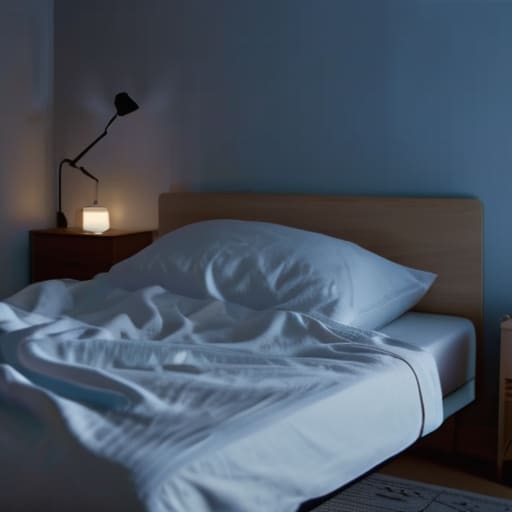
The problem with most sleep advice is that it focuses on the wrong things. People spend hundreds of dollars on silk eye masks or lavender sprays, thinking they’ve mastered sleep hygiene, when they haven’t actually addressed the psychological architecture of their bedroom. There is a massive difference between sleep hygiene vs stimulus control; one is about making your environment “cozy,” while the other is about the hard work of reconditioning sleep associations. If you spend three hours tossing and turning while scrolling through emails or worrying about your to-do list, your brain begins to view your mattress as a place of high-alert cognitive activity rather than rest.
This is where the real work happens. To fix this, you have to engage in the kind of disciplined, slightly annoying behavioral shifts found in cognitive behavioral therapy for insomnia (CBT-I). It means if you aren’t asleep within twenty minutes, you get out of bed. You don’t stay there hoping for a miracle; you leave. You are essentially breaking the wakefulness-bed connection by refusing to let your brain associate the sheets with the frustration of being awake. It isn’t glamorous, but it is effective.
Forget Sleep Hygiene Why Stimulus Control Actually Matters
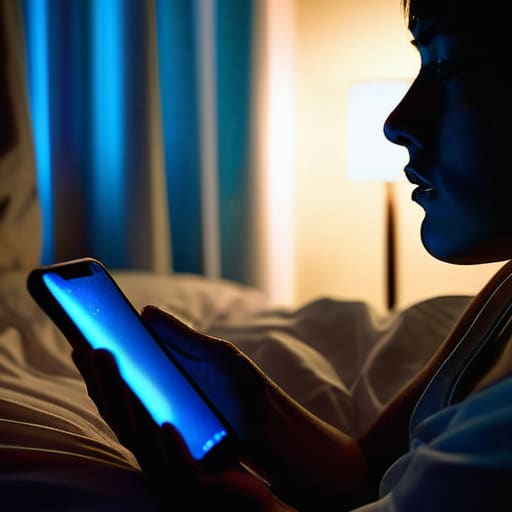
We’ve been conditioned to believe that “sleep hygiene” is the holy grail. We’re told to dim the lights, buy silk pillowcases, and avoid caffeine after noon. Don’t get me wrong, those things are fine, but they are largely cosmetic. The real issue isn’t that your room is too bright; it’s that your brain has become a master at associating your mattress with the frustration of being wide awake. When you spend three hours tossing, turning, and scrolling through news feeds in the dark, you are inadvertently reconditioning your brain to view the bed as a place of high alert rather than rest.
This is where the distinction between sleep hygiene vs stimulus control becomes vital. While hygiene focuses on the environment, stimulus control targets the neurological link between your bed and wakefulness. This is a core component of cognitive behavioral therapy for insomnia (CBT-I), and it’s much harder to do than just buying a lavender diffuser. It requires breaking the wakefulness-bed connection by physically leaving the room the moment sleep eludes you. It feels counterintuitive, and it feels uncomfortable, but it is the most effective way to stop the cycle of nightly struggle.
Breaking the Wakefulness Bed Connection Once and for All
The problem isn’t that you aren’t tired; it’s that your brain has become an expert at being awake in bed. If you spend three hours every night tossing, turning, or scrolling through news feeds while your heart races, you are inadvertently training your nervous system to view the mattress as a place of frustration rather than rest. This is where reconditioning sleep associations becomes the heavy lifting of the process. You have to physically disrupt that feedback loop. If you aren’t asleep within what feels like twenty minutes, you need to get out. It feels counterintuitive—almost aggressive—to leave the very place you’re trying to rest, but staying there only reinforces the neurological link between your bed and your anxiety.
This is a core component of cognitive behavioral therapy for insomnia, and it’s significantly more effective than just buying a more expensive pillow. By removing yourself from the bedroom when you’re wide awake, you stop the cycle of associating your bed with wakefulness. You aren’t just waiting for sleep to happen; you are actively teaching your brain that the bedroom is a sacred, quiet space reserved for one thing and one thing only.
Reconditioning Sleep Associations Through the Slow Dull Work
This isn’t about a sudden epiphany or a new supplement; it’s about the tedious process of reconditioning sleep associations. When you spend hours tossing and turning, your brain stops seeing the mattress as a sanctuary and starts seeing it as a battlefield. You are essentially training your nervous system to stay alert the moment your head hits the pillow. To fix this, you have to be willing to endure the discomfort of getting out of bed when you can’t sleep. It feels counterintuitive, even frustrating, but you are teaching your brain that the bed is for one thing and one thing only.
This is a core component of many cognitive behavioral therapy for insomnia protocols, and frankly, it’s much harder than just dimming your lights an hour before bed. While most people get bogged down in the debate of sleep hygiene vs stimulus control, the real work lies in this behavioral shift. You aren’t looking for a quick fix; you are looking for long-term neurological rewiring. It is slow, it is often annoying, and it requires a level of discipline that most wellness influencers won’t tell you about—but it is exactly how you actually reclaim your nights.
Proven Insomnia Behavioral Therapy Techniques That Dont Fail
If you’re looking for a magic pill, you’ve come to the wrong place. The most effective insomnia behavioral therapy techniques are essentially just a series of disciplined, often frustrating, repetitions. The gold standard is Cognitive Behavioral Therapy for Insomnia (CBT-I), which isn’t some mystical healing session; it’s a structured way to dismantle the bad habits your brain has built around your mattress. We aren’t just talking about dimming the lights; we are talking about re-engineering your physiological response to your environment.
One of the heavy hitters here is sleep restriction, which sounds counterintuitive—I know, it sounds like a nightmare. But by limiting your time in bed to the actual amount of sleep you’re getting, you build up a genuine “sleep drive.” This is how you achieve real sleep onset latency improvement. You aren’t fighting your body; you’re working with its natural pressure to rest. It’s tedious, and there will be days when you feel like a zombie, but it is the most reliable way to stop the cycle of tossing and turning.
Mastering Cbt I for Real Sleep Onset Latency Improvement
When people talk about Cognitive Behavioral Therapy for Insomnia (CBT-I), they often make it sound like some mystical psychological breakthrough. It isn’t. It’s actually just a structured way of applying the same principles we’ve been discussing. If your goal is genuine sleep onset latency improvement—which is just a clinical way of saying “falling asleep faster”—you have to stop looking for a magic pill and start looking at your behaviors. CBT-I works because it targets the physiological and psychological loops that keep you wired.
The heavy lifting in CBT-I involves more than just “trying harder” to sleep. It requires you to lean into the discomfort of sleep restriction or systematic desensitization. This is where most people quit because it feels counterintuitive to limit your time in bed when you’re exhausted. However, by strictly adhering to these insomnia behavioral therapy techniques, you are essentially forcing your body to prioritize sleep over wakefulness. It’s tedious, it’s often frustrating in the first week, and it’s exactly what works when everything else fails.
The Five Non-Negotiables of Stimulus Control
- Stop the midnight scrolling. If you aren’t sleeping, your phone is your enemy. Every time you pick it up to check the time or a notification, you are reinforcing the idea that your bed is a place for stimulation, not rest.
- The bed is for two things only: sleep and intimacy. Period. No reading thrillers, no catching up on emails, and definitely no working from under the duvet. If you use your bed as a second office, don’t be surprised when your brain refuses to shut down at 11 PM.
- The twenty-minute rule is your new best friend. If you’re lying there staring at the ceiling and your brain starts racing, get out of bed. Go to a different room, keep the lights low, and do something mind-numbing until you actually feel sleepy. Staying in bed while frustrated only teaches your body how to be awake in bed.
- Consistency over intensity. It’s not about one perfect night of “sleep hygiene”; it’s about the boring, repetitive habit of getting up at the same time every single morning, regardless of how much sleep you actually got. This anchors your circadian rhythm better than any expensive supplement.
- Create a buffer zone that actually works. You cannot flip a switch from “high-stress productivity” to “deep sleep” instantly. You need a predictable, low-stimulation window before bed that signals to your nervous system that the day is officially over. It’s not a luxury; it’s a biological requirement.
The Bottom Line
Stop looking for a magic pill or a new supplement; the real fix is the tedious work of retraining your brain to see your bed as a place for sleep, not a place for worrying or scrolling.
Sleep hygiene (like dimming the lights) is fine, but it won’t save you if you’re still lying awake for hours staring at the ceiling—stimulus control is about breaking that cycle of wakefulness.
This process is slow, it’s often frustrating, and it isn’t glamorous, but it is the most evidence-backed way to actually fix your sleep architecture without relying on a prescription.
The Bed is Not a Multitasking Hub
“We spend years training our brains to associate the bedroom with scrolling, worrying, or working, and then we act surprised when sleep won’t show up. You can’t expect a physiological shift if you’re still treating your mattress like a second office; you have to reclaim the bed as a place for nothing else but rest.”
Marisol Trevino-Baird
The Long Game
We’ve covered a lot of ground, and I know it isn’t particularly glamorous. We’ve moved past the superficial “sleep hygiene” checklists and looked at the actual mechanics of stimulus control—the hard work of decoupling your bed from your anxiety, your laptop, and your restless thoughts. It’s about reconditioning your brain through the consistent, often frustrating application of CBT-I principles. There are no magic supplements or high-tech gadgets that can bypass the physiological necessity of breaking that wakefulness-bed connection. You have to do the dull work of getting out of bed when you can’t sleep, simply because that is what the evidence demands.
If you feel discouraged because you didn’t see a transformation overnight, good. That means you’re actually doing the work rather than chasing a placebo. Real physiological change is a slow, incremental process, much like the way my body responds to a cold sea swim in mid-winter—it isn’t a lightning bolt; it’s a steady adaptation. Don’t look for the shortcut, because the shortcut doesn’t exist. Instead, focus on the unremarkable consistency of these habits. If you stay the course with the basics, your biology will eventually catch up to your intentions. Just keep showing up to the boring parts.