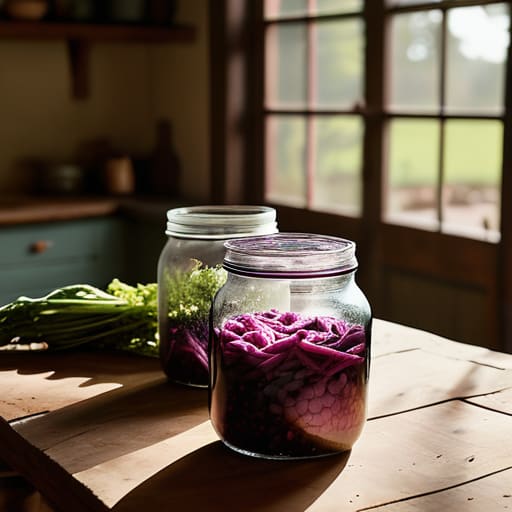
I was standing in a high-end health food aisle last Tuesday, staring at a shelf of $9 probiotic shots that promised to “recode your microbiome” in thirty seconds, when I felt that familiar, weary twitch in my eye. It’s the same frustration I feel when I see people bypassing the actual wisdom of fermented foods and tradition in favor of a shiny, overpriced plastic bottle. We’ve turned gut health into a high-tech sprint, forgetting that the most effective microbial tools we have were developed through centuries of slow, messy, and often smelly patience.
I’m not here to sell you a subscription to a miracle supplement or a complex biohacking protocol. Instead, I want to strip away the marketing noise and look at the actual science behind why these ancient methods work. I promise to give you the unvarnished truth about which traditional practices actually hold up under scrutiny and which are just expensive distractions. We’re going to focus on the dull, reliable staples that actually move the needle, because if you want real metabolic stability, you don’t need a lab—you just need a bit of salt, some time, and a little bit of unpretentious grit.
Understanding Fermented Foods and Tradition
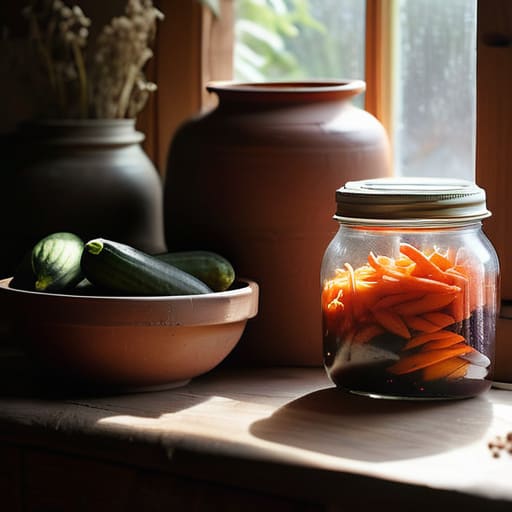
When I look at the current obsession with “probiotic supplements,” I can’t help but feel we’ve lost the plot. We are trying to solve a complex biological puzzle with expensive, standardized pills, completely ignoring the microbial heritage in cooking that has sustained us for millennia. For most of human history, fermentation wasn’t a “wellness hack”; it was a necessity. It was how we kept food from rotting before refrigeration existed. These ancient preservation techniques weren’t designed to optimize your microbiome for a photoshoot—they were simply the clever, slow way our ancestors managed to eat through the winter.
There is a profound difference between a lab-grown capsule and the living, breathing complexity of a jar of kimchi or sourdough. When we talk about the cultural significance of fermentation, we aren’t just talking about flavor profiles; we are talking about a deep-seated connection to our environment. Every culture has its own version—miso, kefir, sauerkraut—each shaped by local microbes and local traditions. It’s a bit messy, a bit unpredictable, and frankly, a lot more interesting than anything you’ll find in a plastic bottle.
Key Things to Know
First, let’s strip away the marketing gloss. When we talk about the probiotic benefits of traditional foods, we aren’t talking about a proprietary strain found in a $5 plastic bottle at a wellness boutique. We are talking about the messy, living reality of microbial heritage in cooking. These microbes have spent centuries co-evolving with our digestive systems through ancient preservation techniques that were born out of necessity, not a desire for “gut wellness.”
Second, stop looking for a magic pill and start looking at the context. The real value lies in how these foods integrate into a larger, stable way of eating. It isn’t just about the bacteria; it’s about the synergy of nutrients that comes from slow, time-honored processes. If you want to see actual changes in your metabolic health, you shouldn’t be chasing the newest fermented trend. Instead, focus on the consistency of small, fermented additions to a diet that is already built on whole, unprocessed foundations. It’s unexciting, it’s slow, and it’s exactly how it should be.
Practical Tips and Steps
Don’t go out and buy a dozen expensive, refrigerated probiotic shots just because the packaging looks clinical. If you actually want to tap into the probiotic benefits of traditional foods, you need to start small and, frankly, a bit messy. Pick one thing—maybe it’s a jar of unpasteurized sauerkraut or a bit of kimchi—and make it a daily ritual rather than a weekly supplement. The goal isn’t a sudden metabolic overhaul; it’s the consistent, boring habit of introducing diverse microbes to your system.
I also suggest looking toward your own kitchen history rather than a wellness influencer’s pantry. There is a profound microbial heritage in cooking that we’ve largely ignored in favor of “biohacking.” Instead of chasing the newest fermented trend, try incorporating one staple from a culture that has been doing this for centuries. Whether it’s miso, kefir, or sourdough, the secret is in the slow, steady integration of these foods into your existing meals. It won’t feel like a transformation, and that is exactly why it will actually work.
Common Mistakes to Avoid
The most common mistake I see is the “supplement trap.” People spend a small fortune on expensive, flashy probiotic capsules, thinking they can bypass the actual work of eating. They treat gut health like a math equation where you just add a pill to solve the problem. But those pills aren’t a substitute for the microbial heritage in cooking that has sustained humans for millennia. You can’t manufacture the complexity of a living, breathing jar of kraut with a standardized capsule.
Another error is chasing the “superfood” label while ignoring the actual quality of what you’re consuming. I see people buying mass-produced, pasteurized “fermented” drinks from the supermarket aisle, only to find they contain more sugar than actual live cultures. If it’s been heat-treated to survive a shelf life of six months, the magic is gone. To truly tap into the probiotic benefits of traditional foods, you have to look for the stuff that is actually alive and slightly unpredictable. If it doesn’t smell a little funky and require a bit of care, it’s probably just expensive vinegar.
Final Thoughts
At the end of the day, we don’t need a new, expensive supplement to fix our gut; we just need to stop trying to outsmart our biology. Most of the “breakthroughs” I see in my clinic are just modern attempts to replicate what our ancestors did out of necessity. By leaning into the microbial heritage in cooking, we aren’t just following a trend; we are reconnecting with a way of eating that has sustained humans for millennia.
It isn’t flashy, and it certainly won’t happen overnight. Real change comes from the slow, repetitive act of adding a spoonful of kraut to your lunch or a bit of sourdough to your breakfast. This isn’t about a “gut cleanse” or a quick fix; it’s about the quiet, cumulative impact of gut health and ancestral diets. If you can move past the marketing hype and embrace the slightly sour, slightly messy reality of these foods, you’ll find that the most effective tools for your health have been sitting in your pantry all along.
How to actually integrate this without making it a chore
- Stop hunting for “superfood” labels; just look for the words ‘live cultures’ or ‘unpasteurized’ on the back of a jar of sauerkraut and call it a day.
- Don’t treat it like a pill; add a spoonful of kimchi to your existing lunch rather than trying to overhaul your entire pantry overnight.
- Watch the salt; traditional fermentation often involves a heavy brine, so if you’re managing blood pressure, treat these foods as seasonings rather than the main event.
- Embrace the funk; if your sourdough or kefir tastes a bit sharp or “off” compared to the bland, factory-made versions, that’s usually a sign you’re actually getting something worthwhile.
- Prioritize variety over volume; your microbiome doesn’t need a gallon of kombucha, it needs a rotating cast of different microbes from different sources.
The bottom line
Stop hunting for the “magic” probiotic pill; real, diverse microbes come from the slow, slightly funky foods our ancestors actually ate.
Consistency beats intensity every single time—a small spoonful of kraut daily is far more useful than a one-off expensive supplement.
Focus on variety rather than perfection; your gut thrives on a predictable, boring rotation of different fermented staples.
The myth of the miracle pill
We spend so much time hunting for the next expensive, bio-available probiotic supplement, when the most effective metabolic tools are actually sitting in a jar in someone’s cellar, slowly turning cabbage into something slightly funky and incredibly useful. Real nutrition isn’t a breakthrough; it’s a tradition we simply stopped having the patience for.
Marisol Trevino-Baird
The Long View
We’ve spent a lot of time deconstructing the hype, and the reality is fairly unexciting: you don’t need a subscription to a high-priced probiotic supplement or a cupboard full of “bio-hacking” powders. What you actually need is a return to the basics—incorporating small, consistent amounts of real, traditionally fermented foods like kefir, sauerkraut, or kimchi into your daily routine. It isn’t about a sudden dietary overhaul or chasing a specific “superfood” label; it’s about the cumulative effect of adding diverse, living microbes to your gut through slow, predictable habits. If you focus on the quality of the fermentation and the variety of the foods, the physiological benefits will follow, even if they don’t happen overnight.
I know it’s much easier to buy into the promise of a quick fix, but your biology doesn’t work on a marketing timeline. True metabolic health is built in the quiet, repetitive moments—the spoonful of yogurt here, the side of fermented vegetables there. It is, quite frankly, boring work, but it is the only kind of work that actually lasts. Stop looking for the magic pill and start looking at your plate with a bit more historical perspective. Trust the process, embrace the funk, and let the slow pace of tradition do the heavy lifting for you.