I spent my morning shivering in the North Sea, a ritual that usually clears my head, but as I climbed out of the water, all I could think about was the sheer amount of nonsense I’ve had to debunk in my clinic this week. I am constantly seeing people spend hundreds of pounds on “appetite suppressant” gummies and proprietary metabolic powders, acting as if science has discovered some secret, expensive alchemy. It’s exhausting. The reality is far less glamorous and significantly more predictable: if you want to understand how protein intake affects appetite, you don’t need a subscription to a supplement company; you just need to understand basic satiety signaling.
I’m not here to sell you a miracle or a complex biohacking protocol that requires ten different pills and a prayer. Instead, I’m going to lay out the boring, evidence-based mechanics of how amino acids actually interact with your hunger hormones. We are going to skip the marketing fluff and look at what the data actually says about staying full. My goal is to give you a practical, no-nonsense framework so you can stop chasing trends and start using the most reliable lever you have.
Understanding How Protein Intake Affects Appetite

When I look at the literature, I’m not looking for the flashy headline about a “metabolic reset.” I’m looking at the messy reality of how your body actually signals it’s done eating. It really comes down to the interplay of satiety hormones like ghrelin and leptin. While everyone wants to talk about “crushing cravings,” what’s actually happening is a biochemical conversation. Protein is uniquely effective here because it doesn’t just sit in your stomach; it actively modulates those signals, telling your brain that the search for food can officially end.
It isn’t just about the physical volume of food, either. There is a significant physiological cost to processing protein, often referred to as protein-induced thermogenesis. Your body works harder—and burns more energy—just to break down those amino acids compared to fats or carbs. This isn’t a “hack” to melt fat away; it’s just a fundamental part of how your metabolism functions. When we talk about protein vs carbohydrate satiety, we aren’t talking about magic; we are talking about the predictable, slightly boring way that amino acids help suppress hunger more effectively than a bowl of plain pasta ever could.
Key Things to Know
If you want to cut through the noise, you have to stop looking for a miracle and start looking at the chemistry. First, let’s talk about the biological signal. When you eat protein, you aren’t just filling a void; you are actively manipulating your satiety hormones, specifically shifting the balance between ghrelin (your hunger signal) and leptin (your fullness signal). It is a predictable, physiological response. Unlike a bag of crisps that leaves you hunting for more twenty minutes later, the amino acids in protein act as a slow-release signal to your brain that the job is done.
Second, there is the metabolic reality of protein-induced thermogenesis. Your body actually burns more energy just trying to process protein than it does with fats or carbs. It’s not a “hack”—it’s just how your metabolism works. When I look at the data, the most consistent finding isn’t about a specific brand of shake; it’s about the simple macronutrient balance required to keep your blood sugar stable and your hunger at bay. It’s unexciting, but it’s the only thing that actually moves the needle.
Practical Tips and Steps
Stop looking for the “perfect” protein powder or a niche supplement to fix your hunger. The most effective way to actually leverage this science is to stop treating protein as an afterthought or a side dish. Instead, aim to build every single meal around a solid protein foundation. If you are staring at a bowl of pasta, you aren’t just eating carbs; you are missing the lever that manages your satiety hormones like ghrelin and leptin. By ensuring you have a high-quality protein source—think eggs, Greek yogurt, or lean poultry—at breakfast, you aren’t just eating; you are setting a physiological baseline that makes the afternoon sugar cravings much easier to ignore.
Don’t overcomplicate the math, either. You don’t need to weigh every gram to see results, but you do need to be intentional about macronutrient balance for weight management. I often tell my patients to look at their plate and ask, “Where is the protein?” If the answer is “nowhere,” you are essentially setting yourself up for a hunger crash in two hours. It’s not glamorous, and it isn’t a quick fix, but prioritizing protein-induced thermogenesis and consistent intake is the only way to make fullness feel like a natural state rather than a constant struggle.
Common Mistakes to Avoid
The biggest mistake I see in my clinic isn’t a lack of willpower; it’s the “all-or-nothing” approach to protein. People often treat it like a magic switch, thinking that if they hit a specific number, they can ignore everything else. They’ll eat a massive, isolated whey shake and wonder why they’re ravenous forty minutes later. This ignores the reality of macronutrient balance for weight management. Protein needs a partner—fiber and healthy fats—to actually do its job. Without that structural support, you’re just chasing a temporary spike in fullness that inevitably crashes.
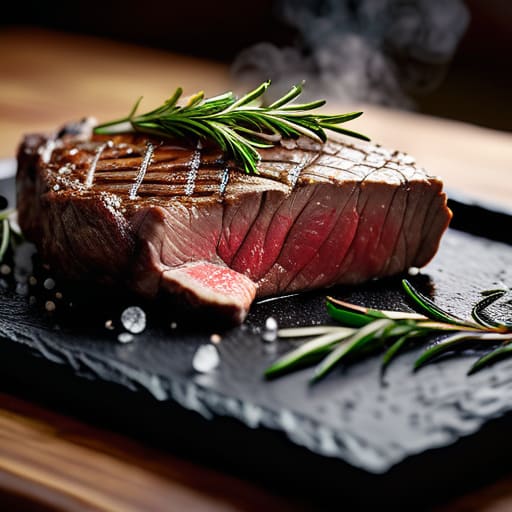
I also see a lot of people getting caught up in the “protein vs carbohydrate satiety” debate as if they are enemies. They strip carbs entirely, thinking it will somehow amplify the hunger-suppressing effects of their steak. In reality, you’re just creating a physiological roller coaster. When you starve your body of complex carbohydrates, you aren’t making your protein work harder; you’re just making your satiety hormones—the delicate dance between ghrelin and leptin—much more difficult to manage. Stop trying to hack the system and just start eating actual meals.
Final Thoughts
Look, I know it isn’t as exciting as a new “metabolism hack” or a proprietary supplement stack. But if you stop looking for the shortcut, you’ll realize that the science of protein vs carbohydrate satiety is actually quite straightforward. It isn’t about magic; it’s about how your body responds to the fundamental building blocks of your food. When you prioritize protein, you aren’t just hitting a macro goal—you are actively managing your satiety hormones, ghrelin and leptin, to prevent that inevitable mid-afternoon crash.
The reality is that real change is a slow build. You don’t need to overhaul your entire life overnight; you just need to make sure there is a decent source of protein at every meal. It’s a dull, repetitive process, but it is the only one that actually holds up under scrutiny. My advice? Stop chasing the hype and start focusing on the boring, reliable basics. If you get the protein right, the rest of the metabolic puzzle tends to fall into place much more easily than any “miracle” diet could ever promise.
Five ways to actually use this information without overcomplicating it
- Stop treating protein like a side dish. If your plate is mostly starch with a tiny bit of chicken on the side, you’re setting yourself up for a blood sugar roller coaster and a hunger pang by 10:00 AM. Make the protein the anchor of the meal.
- Prioritize protein at breakfast. I know, it’s much easier to grab a pastry or a bowl of sweetened cereal, but those are empty promises of energy. A savory, protein-rich start is the most effective way to stabilize your appetite for the rest of the afternoon.
- Aim for a bit of protein at every single sitting. It isn’t about one massive steak at dinner; it’s about the steady, boring consistency of getting 20 to 30 grams in every meal to keep those satiety hormones from dipping too low.
- Don’t ignore the “protein leverage” effect. If you aren’t hitting your protein targets, your body will likely keep sending hunger signals until it gets what it needs—which usually means you’ll end up overeating fats and carbs to compensate.
- Use whole food sources whenever possible. A protein shake is fine when you’re in a rush, but the act of chewing whole foods—like eggs, Greek yogurt, or lean meat—actually sends more effective signals to your brain that you are, in fact, eating.
The Bottom Line
Stop looking for a metabolic miracle; protein isn’t a magic trick, it’s just the most effective tool we have for managing the biological signal of hunger.
Consistency beats intensity every single time—aiming for a high-protein target daily is far more useful than one “protein-heavy” day followed by three days of processed snacks.
Prioritize whole food sources over powders and shakes whenever possible, as the satiety we’re looking for often comes from the food itself, not just the macronutrient count.
The Hunger Illusion
“We spend so much time hunting for the next ‘appetite suppressant’ or metabolic hack, when the reality is much less glamorous: your body isn’t broken, it’s just under-fueled. If you want to stop the constant mental chatter about your next meal, stop looking for a shortcut and start looking at your plate; protein isn’t a magic trick, it’s just the most reliable tool we have to tell your brain the job is done.”
Marisol Trevino-Baird
The Long Game
At the end of the day, we have to stop looking for the secret door and start walking through the one that’s already open. We’ve talked about why protein works—the way it signals your brain to stop hunting for snacks and the way it keeps your blood sugar from doing those frantic, hunger-inducing rollercoasters. It isn’t magic, and it isn’t a metabolic hack; it is simply the most effective tool we have for managing the biological reality of hunger. If you focus on getting enough of it at every meal and stop falling for the trap of highly processed, low-protein convenience foods, you are already doing more than most people. It is boring, predictable, and entirely effective.
I know it isn’t as exciting as a new supplement or a restrictive fasting protocol, but there is a profound kind of freedom in choosing the path that actually works. You don’t need to live in a state of constant willpower if you are actually fueling your body in a way that respects its signals. Stop waiting for the breakthrough that will make nutrition easy, and instead, embrace the steady, quiet progress that comes from doing the basics well. The results won’t happen overnight, but they will happen, and they will be far more sustainable than anything a marketing department ever sold you.