I spent my morning shivering in the North Sea, a ritual that keeps me sane, but my mind was stuck on a patient’s chart from yesterday. She had spent a small fortune on expensive, highly processed “gut-health” powders, convinced they were the magic key to her microbiome. It’s the same cycle I see every week in my clinic: people chasing expensive, shiny supplements while completely ignoring the actual prebiotics in everyday food that have been sitting in their pantries for decades. Most of this high-end prebiotic marketing is just repackaged nonsense designed to make a simple biological process feel like a luxury lifestyle choice.
I’m not here to sell you a proprietary blend or a subscription box of miracle fibers. Instead, I want to strip away the marketing fluff and talk about the dull, reliable staples that actually move the needle on your gut health. We are going to look at the science—the real science, not the headlines—to identify which specific, unremarkable foods are actually worth your time and your grocery budget. It won’t be glamorous, and it certainly won’t be fast, but it will be effective.
Forget the Hype the Slow Truth About Prebiotics in Everyday Food
Most of the marketing you see for “prebiotic supplements” is designed to exploit your impatience. They promise a quick fix for your bloating or a sudden surge in energy, but your gut doesn’t work on a sprint schedule. In my clinic, I see people spending a fortune on expensive powders when they haven’t even mastered the basics of dietary fiber for digestion. The reality is that your gut microbiome health isn’t built on a single magic ingredient; it’s built on the consistent, somewhat tedious habit of eating enough diverse plant matter.
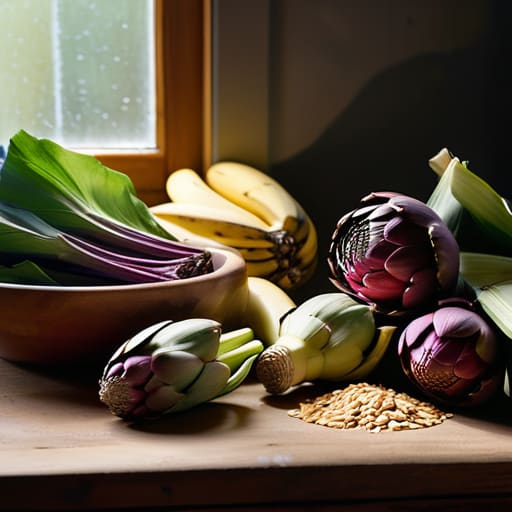
If you want to actually succeed at feeding beneficial gut bacteria, you have to stop looking for a shortcut and start looking at your grocery list. You don’t need a proprietary blend of chicory root extract to see results. Instead, you need the predictable, unglamorous presence of legumes, slightly underripe bananas, and oats. It isn’t flashy, and it certainly won’t make for a viral TikTok trend, but consistency beats novelty every single time when it comes to long-term metabolic stability.
Stop Confusing Them the Real Prebiotic vs Probiotic Differences
I see this confusion in my clinic almost every week. People will walk in, clutching a bottle of expensive probiotic supplements, thinking they’ve solved their digestive woes. But here is the thing: if you are taking the “bugs” (the probiotics) without providing the “food” (the prebiotics), you are essentially inviting guests to a party and forgetting to put out any snacks. You can’t expect your gut microbiome health to improve if you aren’t actually feeding the inhabitants.
To keep it simple, think of probiotics as the living organisms themselves—the beneficial bacteria we want to colonize the gut. Prebiotics, on the other hand, are the specific types of dietary fiber for digestion that these bacteria actually eat. They are the fuel. You can swallow all the capsules you want, but without the substrate to keep them alive and multiplying, you’re just wasting money on very expensive, very temporary guests. Understanding the prebiotic vs probiotic differences is the first step toward moving past the marketing fluff and actually doing something useful for your metabolism.
Feeding Beneficial Gut Bacteria Is Not a Quick Fix
I see it every week in my clinic: a patient who has spent a small fortune on a “gut-healing” powder, expecting their bloating to vanish by Tuesday. They treat their gut microbiome health like a software update—something you just download and install. But biology doesn’t work on a sprint cycle. Feeding beneficial gut bacteria is more akin to tending a garden than flipping a switch. You can’t just dump a bucket of fertilizer on a patch of dirt and expect a harvest by morning; you have to nurture the soil consistently over time.
If you’re looking for a magic pill to fix a decade of processed convenience, you’re going to be disappointed. Real change happens through the unremarkable accumulation of small, repetitive choices. This means moving away from the idea of “cleanses” and focusing instead on steady, reliable dietary fiber for digestion. It isn’t glamorous, and it certainly isn’t fast, but consistency is the only variable that actually moves the needle in the long run. If you want results, stop looking for the shortcut and start looking at your grocery list.
The Only Natural Prebiotic Sources Worth Your Attention
I don’t care about the expensive, designer powders being marketed as “gut-healing miracles.” If you want to actually support your gut microbiome health, you need to look toward the produce aisle, not the supplement shelf. Most of the heavy lifting is done by a few reliable, unglamorous staples. I always tell my patients to start with legumes—lentils, chickpeas, and black beans are essentially the gold standard. They provide the kind of sustained dietary fiber for digestion that actually reaches the lower reaches of your gut where it’s needed most.
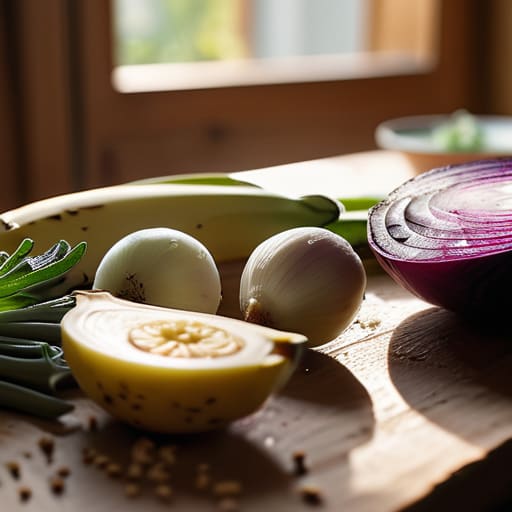
Then there are the onions, garlic, and leeks. They aren’t fancy, but they are packed with inulin, a type of fiber that acts as a highly effective fuel source. If you can manage to add one of these to your dinner most nights, you’re doing more for your body than any $50 prebiotic blend ever could. It isn’t about a sudden overhaul; it’s about the consistent, quiet accumulation of these foods. It’s slow, it’s repetitive, and it’s exactly how you see results that actually last.
A No Nonsense High Fiber Food List for Real Results
If you’re looking for a magic pill, you won’t find it in this list. Instead, think of this as a practical toolkit for long-term stability. To actually move the needle on your gut microbiome health, you need to stop looking for “superfoods” and start looking for consistency. I don’t care if it’s trendy; I care if it’s effective.
Start with the basics: legumes. Lentils, chickpeas, and black beans are the heavy lifters here. They are incredibly reliable natural prebiotic sources that provide the kind of complex structure your bacteria actually crave. If you can manage to add even half a cup to your routine a few times a week, you’re doing more for your system than any expensive supplement ever could.
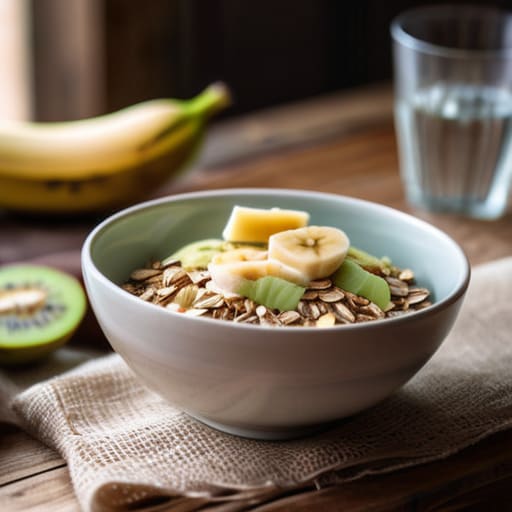
Next, don’t overlook the humble oats and slightly underripe bananas. The resistant starch in these foods is exactly what you want for feeding beneficial gut bacteria without the digestive drama that comes from sudden, massive fiber spikes. It’s not glamorous, and it won’t trend on social media, but this is the most efficient high fiber food list you’ll ever use.
Mastering Dietary Fiber for Digestion Without the Shortcuts
If you’ve spent any time on social media lately, you’ve likely seen someone claiming a single “superfood” powder will revolutionize your gut microbiome health overnight. It’s exhausting. In my fifteen years of clinical practice, I’ve seen that the people who actually sustain their digestive health aren’t chasing powders; they are simply getting better at managing dietary fiber for digestion through consistent, unglamorous eating.
The mistake most people make is trying to go from zero to sixty. They decide to overhaul their entire diet overnight, loading up on massive amounts of legumes and cruciferous vegetables, only to end up bloated, uncomfortable, and ready to quit. That isn’t how biology works. You have to treat your gut like a slow-moving ecosystem. If you want to succeed in feeding beneficial gut bacteria, you need to increase your intake incrementally. It’s boring, it requires patience, and it doesn’t come with a flashy marketing campaign, but it is the only way to avoid the discomfort that comes with rushing the process. Focus on the steady accumulation of fiber rather than the sudden surge.
Five Unremarkable Ways to Actually Get the Job Done
- Stop looking for a magic pill and start looking at your grocery list; if you aren’t buying beans, oats, or leeks, you aren’t really doing this.
- Give your gut a chance to catch up by increasing your fiber intake gradually, because dumping a week’s worth of prebiotics into your system overnight is just a recipe for bloating and misery.
- Focus on variety rather than perfection; feeding ten different types of bacteria with a diverse range of plants is far more effective than obsessing over one “superfood” every single day.
- Keep the skins on where you can, because that is often where the actual structural carbohydrates—the stuff your microbes actually want—are hiding.
- Accept that there is no “optimal” dose, only a consistent one; the goal isn’t a one-off prebiotic feast, but a steady, boring baseline of fiber that keeps the ecosystem stable.
The Bottom Line
Stop hunting for magic powders or expensive supplements; the real work happens with the boring, high-fiber staples you likely already have in your pantry.
Consistency beats intensity every single time—feeding your gut bacteria is a slow, daily habit, not a weekend detox or a one-off dietary overhaul.
Focus on variety and gradual increases to avoid the digestive discomfort that comes from trying to fix everything overnight.
The Myth of the Magic Supplement
“We spend so much time hunting for the latest ‘gut-healing’ powder or expensive prebiotic supplement that we completely ignore the fact that a bowl of oats and a handful of lentils do the exact same job—only without the marketing markup and the empty promises.”
Marisol Trevino-Baird
The Long Game
We have spent a lot of time stripping away the marketing gloss, and if you feel a little underwhelmed, then I’ve done my job correctly. There is no magic pill, no proprietary “gut-healing” powder, and no overnight transformation waiting at the end of a supplement aisle. Real prebiotic benefit comes from the unremarkable consistency of eating legumes, whole grains, and various plant fibres day after day. It is about understanding that probiotics are the guests, but prebiotics are the actual fuel that keeps the house running. If you focus on the boring staples we discussed—the lentils, the onions, the oats—you are doing more for your microbiome than any expensive trend ever could.
I know it isn’t as exciting as a new wellness hack, but there is a quiet kind of confidence that comes from knowing what actually works. You don’t need to overhaul your entire life or chase the latest clinical buzzword to see a difference in your digestion or your energy. You just need to show up for the small, repetitive choices that build a foundation over months, not days. Stop looking for the shortcut and start leaning into the slow, steady progress of real nutrition. It won’t feel like a revolution, but in the long run, this is how you actually win.