
I spent most of my morning staring at a clinical study on melatonin supplementation, wondering why we keep trying to fix a biological shift with expensive, neon-colored capsules. Every time I sit down with a patient, they tell me they’ve tried every “sleep hack” on the internet to combat the way their body is shifting. There is a massive industry built on the idea that older adults and sleep changes require a high-tech or high-cost solution, but most of those products are just expensive ways to ignore reality. The truth is, your circadian rhythm isn’t broken; it’s just recalibrating, and no amount of overpriced magnesium spray is going to undo the physics of aging.
I’m not here to sell you a new supplement or a complicated breathing technique you’ll forget by Tuesday. Instead, I want to talk about the unglamorous, slow-moving habits that actually move the needle for metabolic health and rest. We are going to look at the evidence behind the few things that actually work—things like light exposure and temperature regulation—and ignore the rest of the noise. My goal is to help you identify which boring, predictable adjustments are actually worth your time this year.
Understanding Older Adults and Sleep Changes

When I look at the clinical data, I don’t see a sudden “breakdown” of the sleep system; I see a recalibration. It isn’t that you’ve lost the ability to sleep, but rather that your internal clock is drifting. We often see advanced sleep phase syndrome in my older patients—that frustrating cycle where you’re exhausted by 8:00 PM and wide awake by 4:00 AM. This isn’t a failure of willpower; it’s a biological shift in how your body manages its timing.
Part of this involves the subtle decline in melatonin production and aging. As we get older, the chemical signal that tells our brain “it is time to rest” becomes less robust. This often leads to increased sleep fragmentation, where those long, restorative stretches of deep sleep are replaced by shallow, interrupted bouts. It’s easy to blame a pill or a supplement, but usually, it’s just the physiological reality of a changing rhythm. We have to stop looking for a way to “fix” the biology and start looking at how to support the subtle shifts that are already happening.
Key Things to Know
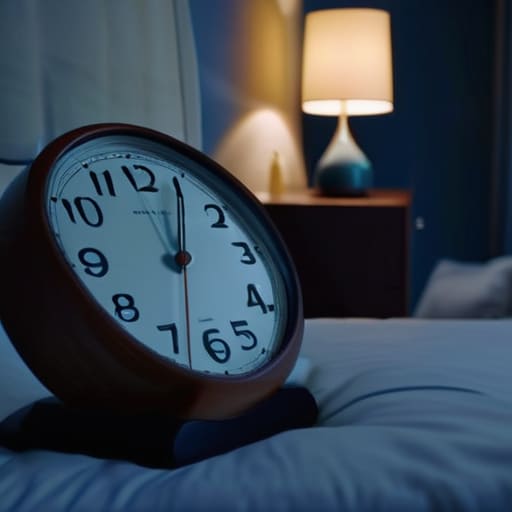
If you are looking for a way to “reset” your brain overnight, I am going to disappoint you. Instead, we need to look at the physiological reality. One of the most common culprits I see is the natural decline in melatonin production and aging. It isn’t a sudden crash, but a gradual thinning of your body’s internal signal that it is time to rest. This often leads to advanced sleep phase syndrome, where you find yourself exhausted by 7:00 PM and wide awake at 3:00 AM. It feels like your body is broken, but it is often just your internal clock drifting ahead of the world around you.
We also have to talk about the interruptions. It is rarely one single thing that ruins a night; it is usually a combination of factors like nocturia and sleep quality—the frequent need to use the bathroom—and general sleep fragmentation. These aren’t just inconveniences; they are the primary reasons why rest feels so unrefreshing. Most of the “hacks” I see online ignore this. They promise better sleep through supplements, but they fail to address the boring, foundational shifts in how your biology actually operates as you age.
Practical Tips and Steps
I’m not going to suggest a new supplement or a high-tech wearable that promises to “optimize” your REM cycles. Most of that is noise. Instead, I want you to look at your light exposure. As we age, we often deal with advanced sleep phase syndrome, which is just a fancy way of saying your body wants to go to bed at 7 PM and wake up at 3 AM. To counter this, try to get bright, natural sunlight in your eyes as early as possible in the morning. It helps anchor your internal clock and can mitigate some of those frustrating circadian rhythm shifts in elderly populations.
Secondly, let’s talk about the bathroom. I hear constantly from patients frustrated by nocturia and sleep quality, feeling like they are stuck in a loop of waking up every two hours. While I can’t wave a wand to stop your bladder, managing fluid intake in the late afternoon and evening is a boring, effective way to reduce those interruptions. It’s not glamorous, but consistency with these small adjustments usually yields much better results than any “miracle” sleep aid you’ll find on a social media ad.
Common Mistakes to Avoid
The biggest mistake I see in my clinic isn’t a lack of effort; it’s a surplus of the wrong kind of effort. People often try to “fix” their sleep by spending more time in bed, thinking that sheer duration will compensate for poor quality. This is a fallacy. If you are lying awake for hours, you aren’t resting; you are simply training your brain to associate your mattress with frustration. This often exacerbates sleep fragmentation causes in seniors, turning a minor restlessness into a chronic habit of tossing and turning.
I also see a lot of people chasing the “miracle” of supplements without looking at the basics. There is a massive trend toward high-dose melatonin, but many forget that melatonin production and aging is a gradual, biological decline, not a sudden deficit that can be solved with a massive pill. Instead of reaching for a bottle, people should look at their light exposure. Many are inadvertently fighting against advanced sleep phase syndrome by staying in dim light too late or using bright screens, which confuses the body’s internal clock. We need to stop looking for the quick fix and start looking at the environment.
Final Thoughts
I’m not going to leave you with a checklist or a promise that your sleep will suddenly become perfect by next Tuesday. If you’ve spent any time reading about melatonin production and aging, you already know there isn’t a quick fix for the biological shifts that come with time. We are talking about decades of physiological changes, not a weekend project. My goal isn’t to make you chase a perfectionist’s version of sleep, but to help you accept that some level of change is normal.
The real work lies in the consistency of the mundane. Whether you are managing sleep hygiene for older adults or trying to navigate the frustration of waking up at 4:00 AM, remember that the most effective interventions are the ones you can actually sustain. Don’t get distracted by the latest supplement craze or the “miracle” gadget. Stick to the boring stuff—the light exposure, the routine, and the steady habits. It isn’t flashy, and it certainly isn’t fast, but it is the only thing that actually moves the needle in the long run.
The Boring, Effective Basics
- Stop fighting the early wake-up call. If your body wants to shift its rhythm, trying to force yourself to stay in bed until 9:00 AM usually just results in lying there ruminating. Work with the shift rather than treating it like a failure.
- Get actual sunlight in your eyes before noon. It sounds like something a wellness influencer would say, but the physics of your circadian rhythm don’t care about trends; they need that light trigger to signal the start of your biological day.
- Watch the “hidden” stimulants. It isn’t just about the 4:00 PM coffee; it’s about how your metabolism processes caffeine differently as you age. What used to be a harmless afternoon espresso might now be the reason you’re staring at the ceiling at 2:00 AM.
- Keep the bedroom for sleep and nothing else. If you’ve turned your sanctuary into a secondary living room or a place to scroll through news feeds, you’re teaching your brain that the bed is a place for alertness, not rest.
- Prioritize protein and consistent meal timing. Blood sugar fluctuations during the night can trigger cortisol spikes that wake you up. Eating a decent amount of protein during the day helps stabilize the foundation that your sleep relies on.
The Bottom Line
Accept that your sleep architecture will change; seeking a return to your twenty-year-old sleep patterns is a recipe for frustration and unnecessary anxiety.
Prioritize the boring stuff—consistent wake times and morning light—because there is no supplement or gadget that can outrun a chaotic circadian rhythm.
Focus on slow, cumulative improvements in sleep hygiene rather than hunting for a single “silver bullet” to fix a lifetime of sleep debt.
The Myth of the Sleep Revolution
We spend so much time hunting for the latest supplement or the perfect wearable to fix our sleep, but aging isn’t a broken machine that needs a new part; it’s just a shifting rhythm. You don’t need a breakthrough; you just need to stop fighting the slow, boring reality of your own biology and start leaning into the basics that actually hold.
Marisol Trevino-Baird
The Long Game
If you feel like you’re fighting a losing battle against your own biology, you aren’t alone. We’ve covered a lot of ground, from the physiological reality that your sleep architecture is shifting to the practical, unglamorous necessity of light exposure and consistent wake times. There is no secret supplement or high-tech gadget that can override the fundamental need for rhythm and routine. Most of what we discussed isn’t flashy, and it certainly won’t provide an overnight transformation, but these are the foundational pillars that actually hold your metabolic and cognitive health together when everything else gets complicated.
I know it’s frustrating to be told that the solution is “just go to bed at the same time every night” when you’re feeling exhausted. It feels dismissive, almost. But my experience in the clinic has taught me that the most effective interventions are rarely the most exciting ones. Don’t aim for perfection; aim for incremental consistency. Sleep hygiene isn’t a sprint or a lifestyle trend you adopt for a month; it is a slow, quiet commitment to yourself. If you can master even one of these boring habits, you are already doing more for your long-term health than anyone selling a miracle cure.