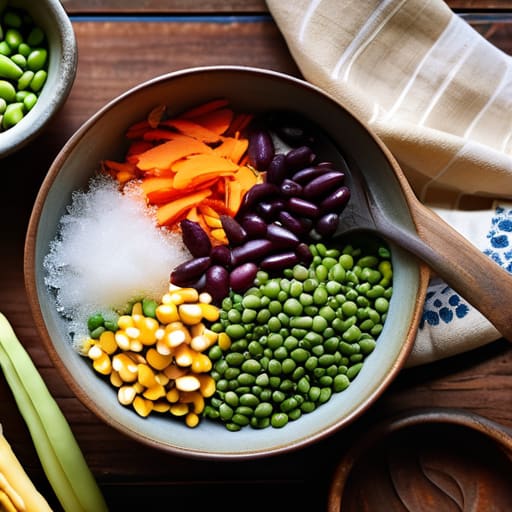
I spent most of my morning scrolling through “budget meal prep” videos that featured $40 worth of organic microgreens, specialty tahini, and artisanal sourdough. It’s exhausting. Every time I open a social media feed, I’m met with these polished, expensive versions of wellness that make eating well on a budget look like a luxury hobby rather than a practical necessity. If you think you need a subscription to a specific meal kit or a pantry full of “superfood” powders to stay healthy, you’ve been lied to by people who are much better at marketing than they are at nutrition.
I’m not here to sell you a lifestyle overhaul or a list of trendy, overpriced pantry staples. Instead, I’m going to give you the unremarkable truth: real nutrition is often found in the most predictable, unglamorous aisles of the supermarket. I’ll be sharing the boring, repetitive, and highly effective habits that actually work—the kind that rely on staples like lentils, frozen vegetables, and basic grains. My promise is simple: I will skip the fluff and tell you which dull, low-cost habits actually move the needle for your health this year.
Understanding Eating Well on a Budget
When people ask me how to eat better without going broke, they usually expect a list of “superfood” hacks or some clever way to trick the supermarket into giving them free organic kale. That isn’t how this works. Realistically, understanding the mechanics of low cost meal planning isn’t about finding a loophole; it’s about accepting that most of your nutrition will come from things that aren’t trendy, aren’t colorful, and certainly aren’t expensive.
I spent years in clinical settings watching patients try to follow expensive, niche dietary protocols only to abandon them when the grocery bill hit. The secret isn’t in the specialty aisles. It’s in the basics. If you focus on building a foundation of healthy pantry staples—think dried lentils, oats, canned fish, and frozen vegetables—you’ve already won half the battle. Most of the “health” industry is designed to make you feel like you’re failing if you aren’t buying something packaged in a matte-finish bag. In reality, the most effective way to manage your metabolism and your bank account is to embrace the repetitive, unglamorous cycle of buying bulk, cooking in batches, and eating what is actually available.
Key Things to Know
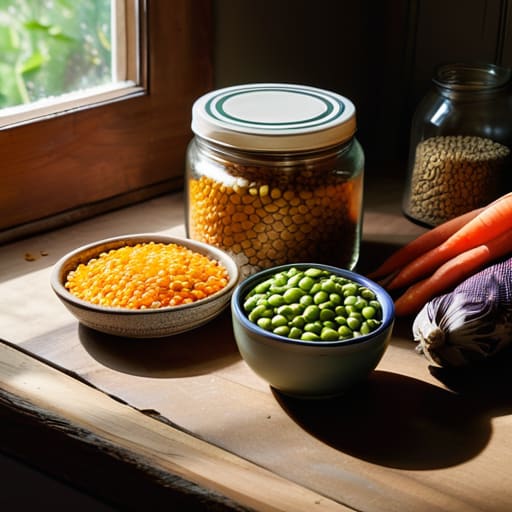
First, we need to clear the air about what “cheap” actually looks like in a clinical sense. You don’t need a specialized subscription box or a curated list of “superfoods” that cost more than your rent. In my experience, the most effective way to manage your finances while keeping your blood sugar stable is to lean heavily on healthy pantry staples. I’m talking about the unglamorous stuff: dried lentils, oats, canned sardines, and frozen vegetables. These aren’t trendy; they are simply efficient. They have a long shelf life, they are nutrient-dense, and most importantly, they don’t require a culinary degree to prepare.
The second thing to accept is that consistency is more important than complexity. If you try to implement a radical new system every Monday, you’ll burn out by Wednesday. Instead, focus on low cost meal planning that relies on repetition. It’s not glamorous to eat the same three balanced meals for a week, but it removes the decision fatigue that usually leads to expensive, impulsive takeout orders. Realistically, the goal isn’t to find a secret hack; it’s to build a predictable rhythm around your grocery shopping and preparation.
Practical Tips and Steps
First, let’s get practical. Most people fail here because they try to overhaul their entire kitchen in one Sunday afternoon. That’s a recipe for burnout and wasted money. Instead, I suggest focusing on healthy pantry staples—things like dried lentils, oats, canned sardines, and brown rice. These items have a long shelf life and a predictable cost. When you build your meals around these foundations, you aren’t just saving money on healthy groceries; you’re creating a safety net for those nights when you’re too tired to be creative.
The second step is mastering the art of low cost meal planning without turning your life into a spreadsheet. Don’t aim for gourmet; aim for repetition. If you find a bean and vegetable stew that works, eat it three times a week. This is the essence of affordable nutritious meal prep: reducing the number of decisions you have to make. By narrowing your scope, you reduce impulse buys and decision fatigue, which are the two biggest culprits behind expensive, nutrient-poor takeout orders. It’s not glamorous, but it’s how you actually sustain the habit.
Common Mistakes to Avoid
The biggest mistake I see—and I’ve seen it in clinical practice for fifteen years—is the “all-or-nothing” trap. People often decide to overhaul their entire kitchen overnight, buying a mountain of expensive “superfoods” that end up rotting in the crisper drawer. This isn’t nutrition; it’s a performance. Instead of trying to master complex, trendy recipes, focus on low cost meal planning that relies on what you actually enjoy eating. If you buy a bag of kale because a headline told you to, but you hate kale, you haven’t saved money; you’ve just wasted it.
Another pitfall is the obsession with convenience. Most “healthy” pre-packaged snacks are just expensive ways to eat processed sugar. I often tell my patients that true efficiency is found in the boring stuff. Rather than hunting for specialized health products, invest your energy into building a foundation of healthy pantry staples like lentils, oats, and canned fish. These aren’t exciting, and they won’t trend on social media, but they are the reliable workhorses that actually make a sustainable diet possible without breaking the bank.
Final Thoughts
If you’re feeling a bit deflated because there wasn’t a magic hack or a single “superfood” that fixes everything, that’s actually a good sign. It means you’re finally moving away from the marketing noise and toward something that actually lasts. Real change isn’t found in a trendy subscription box; it’s found in the repetitive, slightly tedious work of low cost meal planning and knowing which cans in your cupboard will actually sustain you.
I know it isn’t glamorous. It’s much easier to buy a pre-packaged “wellness kit” than it is to master the art of grocery shopping on a budget every single week. But the science doesn’t change just because the trends do. Consistency beats intensity every time. If you can manage to keep a few healthy pantry staples on hand and commit to a predictable routine, you’ve already done more for your metabolic health than most people do with all their expensive supplements. Stick to the boring stuff. It’s the only thing that actually works.
The Unremarkable Essentials: Five Ways to Stop Overpaying for Nutrition
- Buy the frozen stuff. I know, it sounds uninspiring, but frozen vegetables are often more nutrient-dense than the “fresh” produce that’s been sitting in a shipping container for ten days. They are cheap, they don’t rot in your crisper drawer, and they work perfectly well in a stew.
- Lean into the heavy lifters of the legume family. Lentils, chickpeas, and beans are the backbone of any budget that actually works. They are shelf-stable, incredibly cheap, and provide the fiber and protein you need without the premium price tag of animal proteins.
- Stop buying “convenience” versions of basic ingredients. Pre-cut onions, bagged salads, and individual yogurt pots are essentially a tax on your laziness. Buy the whole onion and the large tub of plain yogurt; it takes five minutes of effort and saves you a significant amount of money over a month.
- Master the art of the boring pantry staple. Rice, oats, and potatoes aren’t trendy, and they won’t make for a flashy Instagram post, but they are the foundation of metabolic stability and cost-effective eating. If your pantry is built on these, you’ve already won half the battle.
- Shop with a dull, repetitive list. The biggest drain on a food budget is the “impulse discovery”—that moment you see a new, expensive health food and decide you need it. If it isn’t on the list, it doesn’t go in the basket. Stick to what you know works.
The Bottom Line
Stop looking for the “superfood” hack; the most effective way to eat well on a budget is simply buying more staples like lentils, oats, and frozen vegetables.
Consistency beats complexity every time—it is better to have a predictable, boring meal plan you can afford than a trendy, expensive diet you can’t sustain.
Real nutrition isn’t about spending more to get better; it’s about the unglamorous work of planning, shopping with a list, and cooking from scratch.
The Myth of the Expensive Superfood
“We’ve been sold this idea that nutrition requires a high-end grocery budget and a basket full of exotic powders, but the truth is far more uninspiring: the most effective way to eat well is to stop looking for miracles and start mastering the basics of seasonal, simple, and repetitive staples.”
Marisol Trevino-Baird
The Long Game
If you’re looking for a magic grocery list that will transform your metabolism overnight without costing a penny, you won’t find it here. We’ve covered a lot of ground, from the unglamorous reality of bulk buying staples to the necessity of learning how to cook basic legumes and seasonal vegetables. The takeaway isn’t a secret hack; it’s that consistency beats complexity every single time. It is about choosing the frozen spinach over the expensive “superfood” powder and opting for the lentils over the processed meal kits. It’s repetitive, it’s often uninspired, and it requires a bit of logistical planning, but this is where the actual physiological change happens.
I know it isn’t glamorous. There is no dopamine hit in meal prepping a batch of brown rice and beans on a Sunday afternoon. But nutrition isn’t a sprint or a lifestyle rebrand; it is a series of quiet, mundane decisions made in the aisles of a supermarket. Don’t let the noise of the wellness industry convince you that you need to spend more to be healthier. Real health is built on the foundation of the dull, reliable habits you can actually afford to maintain when life gets messy. Just keep showing up for the basics. That is enough.