
I spent most of yesterday morning wading through another batch of “metabolic reset” supplements being pushed by influencers who couldn’t tell a macronutrient from a magic trick. It’s exhausting. They promise you can bypass the hard work by tweaking a hormone or sipping a powder, but they completely ignore the fundamental physics of muscle mass and resting energy. The truth is, your metabolism isn’t a broken machine that needs a secret hack; it’s a biological system that responds to the stimulus of load. If you want to change how many calories you burn while sitting still, you can’t buy it in a bottle—you have to earn it through the heavy, repetitive, and often very dull work of resistance training.
I’m not here to sell you a new way to “burn fat while you sleep.” Instead, I want to have a real conversation about what actually moves the needle. I’m going to strip away the marketing fluff and look at the actual mechanics of how tissue composition dictates your daily burn. We’ll talk about why the results are slow, why they feel tedious, and why—despite what the quick-fix industry tells you—this is the only way worth your time.
Understanding Muscle Mass and Resting Energy
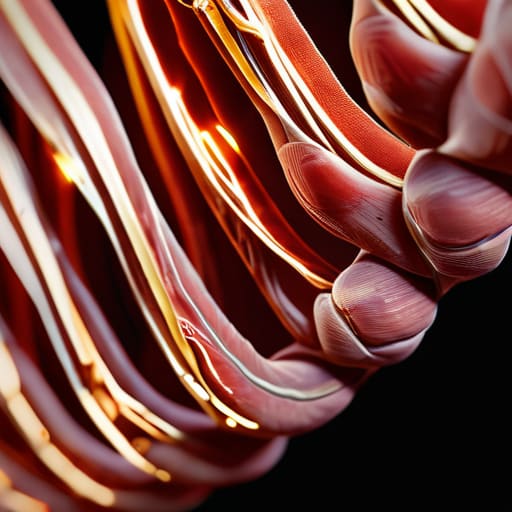
When people ask me about metabolism, they usually want a hack. They want to know if a specific tea or a fasted window will suddenly spike their engine. But if we look at the actual physiology, the conversation is much more grounded. It comes down to the energy cost of maintaining muscle. Muscle is metabolically expensive tissue; it’s “expensive” because even when you are sitting on your sofa reading this, your body has to expend energy just to keep those fibers intact and functioning.
This isn’t some mystical phenomenon. It’s a matter of cellular demand. When we talk about the relationship between muscle and metabolism, we are really talking about the sheer amount of fuel required to support your lean tissue. Through a process called skeletal muscle thermogenesis, your body burns calories simply to maintain the integrity of your cells. It isn’t a massive, overnight surge, but rather a steady, underlying increase in your daily requirements. It is slow, it is incremental, and it is entirely predictable.
Key Things to Know

First, let’s clear up the math. People often expect a massive, overnight shift in their numbers, but the reality is more modest. The energy cost of maintaining muscle is real, but it isn’t a bonfire. While it’s true that adding lean tissue increases your daily requirements, we aren’t talking about a metabolic miracle that allows you to eat unlimited cake. It is a slow, incremental upward shift in your baseline.
Second, you need to understand that it isn’t just about the weight on the scale; it’s about the composition. The relationship between muscle and metabolism is driven by the fact that muscle is metabolically active even when you are sitting on the sofa. This is essentially skeletal muscle thermogenesis at work—your body burning fuel just to keep the machinery running.
Finally, don’t get distracted by the “biohacks” promising to spike your furnace. If you want to see a change in your lean body mass and calorie burn, you have to commit to the resistance training. It is tedious, and the results take months, not days, but it is the only way to actually move the needle.
Practical Tips and Steps
So, how do we actually apply this without getting lost in the supplement aisle? First, stop looking for a metabolic “hack” and start looking at your resistance training protocol. If you want to see a real shift in your lean body mass and calorie burn, you need to prioritize progressive overload. This means you can’t just lift the same five-pound dumbbells for the next three years and expect your physiology to change. You have to gradually increase the challenge to signal to your body that it actually needs to invest energy into repairing and maintaining that tissue. It’s not glamorous, and it’s certainly not a quick fix, but it’s the biological reality.
Secondly, let’s talk about the fuel. You cannot build or maintain significant tissue on a starvation diet. If you are chronically under-eating protein, you are essentially sabotaging the energy cost of maintaining muscle. Aim for a consistent, adequate intake of protein distributed throughout the day; it’s the most boring advice in the book, but it’s the only one that holds up when I look at the data. Focus on consistency over intensity—it’s better to lift moderately three times a week every week than to go once a month with extreme intensity.
Common Mistakes to Avoid
The biggest mistake I see is the “all or nothing” trap. People read a headline about the metabolic impact of hypertrophy and suddenly think they need to live in the squat rack and eat nothing but chicken breasts to see a change. They treat nutrition like a sprint, thinking if they don’t see an immediate shift in their basal metabolic rate and muscle tissue, they’ve failed. It hasn’t been a sprint; it’s a slow build. If you’re constantly cycling between extreme restriction and heavy lifting, you’re just stressing your system without giving it the resources to actually adapt.
Another error is obsessing over the scale instead of what’s actually happening under the skin. You might see the number stay the same, but if your body composition is shifting, your relationship between muscle and metabolism is improving. People get discouraged because they don’t see a drop in weight, failing to realize that the energy cost of maintaining muscle is far more valuable for long-term stability than a temporary drop in scale weight. Stop chasing the number and start looking at consistency over intensity.
Final Thoughts
At the end of the day, I want you to ignore the influencers promising a metabolic “reset” in thirty days. There isn’t one. What we’ve discussed here is the long game. The actual relationship between muscle and metabolism isn’t a sudden switch you flip; it’s a slow, physiological shift that happens when you consistently demand more from your body. It’s not glamorous, and it certainly won’t happen overnight, but it is the most stable foundation you can build.
If you find yourself getting frustrated by the pace of your progress, just remember that you are essentially renegotiating your biology. Increasing your lean body mass and calorie burn requires patience and a willingness to embrace the repetitive nature of strength training. It’s about the steady accumulation of effort. Don’t look for the shortcut or the newest supplement to do the heavy lifting for you. Just stick to the basics, keep showing up, and let the science do its slow, quiet work. That is the only way this actually lasts.
The Boring Essentials of Metabolic Maintenance
- Eat enough protein, and don’t make it complicated. You need the amino acids to actually repair and build the tissue; skipping on protein while trying to “tone up” is just a recipe for losing muscle and slowing your metabolism further.
- Lift things that are heavy enough to be uncomfortable. Walking is lovely for the soul, but it isn’t going to signal to your body that it needs to maintain metabolically expensive muscle tissue. You need resistance.
- Prioritize sleep as much as your training. You don’t build muscle in the gym; you build it while you’re unconscious. If you’re undersleeping, your hormonal environment becomes a mess that actively works against muscle protein synthesis.
- Stop chasing the scale and start looking at body composition. If you lose five pounds but three of those pounds were muscle, you haven’t improved your metabolic health—you’ve actually compromised it.
- Be patient with the timeline. Muscle hypertrophy is a slow, physiological process. If a program promises you a metabolic overhaul in three weeks, they are selling you something that doesn’t exist. Stick to the dull, consistent work.
The Bottom Line
Forget the metabolic “hacks” you see on your feed; muscle is the only significant lever you have for changing your resting metabolic rate, and it requires consistent, heavy work to build.
Results won’t show up in a week or even a month. You are playing a long game of physiological adaptation, which is inherently slow and often quite boring.
Nutrition and movement must work in tandem—you can’t out-train a lack of protein, and you can’t build meaningful tissue without the stimulus of resistance training.
The metabolic reality check
“Stop looking for the metabolic ‘hack’ in a supplement bottle. If you want to change your resting energy expenditure, you have to stop looking for the shortcut and start doing the heavy, tedious work of building actual muscle tissue. It isn’t glamorous, and it won’t happen overnight, but it’s the only thing that actually moves the needle.”
Marisol Trevino-Baird
The Long Game
At the end of the day, we have to stop looking for the metabolic hack that will do the work for us. We’ve covered the mechanics: muscle tissue is metabolically expensive, meaning it costs you more energy just to exist, but it doesn’t happen overnight. You can’t out-supplement a lack of resistance training, and you can’t out-fast a lack of protein. Building that metabolic buffer requires a consistent, often repetitive commitment to progressive overload and adequate nutrient timing. It isn’t glamorous, and it certainly isn’t a quick fix, but it is the only scientifically sound foundation for long-term metabolic health.
I know it’s frustrating to hear that the answer is just “do the boring stuff,” especially when your feed is full of people promising metabolic miracles in thirty days. But I promise you, the slow way is the only way that actually sticks. Don’t get discouraged when the scale doesn’t move every single week; focus instead on the strength you’re gaining and the tissue you’re building. If you can embrace the slow, steady accumulation of muscle, you aren’t just changing your body composition—you are fundamentally upgrading your biology. Stay the course.