
I was sitting on the edge of my bed yesterday morning, staring at my quads with a level of resentment usually reserved for unpaid tax bills, wondering why I’d decided to push my pace during my sea swim. That familiar, heavy ache—the kind that makes sitting down on a hard chair feel like a personal insult—was in full swing. Most people treat delayed onset muscle soreness like some mysterious physiological crisis that requires a $60 tub of specialized recovery powder or a cryotherapy chamber. But after fifteen years in clinical practice, I can tell you that your body isn’t broken; it’s just doing exactly what it’s supposed to do after you’ve asked it to work a little harder than usual.
I’m not here to sell you on a magic recovery ritual or a “secret” supplement that promises to erase the pain overnight. Instead, I want to talk about what actually moves the needle when you’re dealing with delayed onset muscle soreness. We are going to look at the boring, evidence-based realities of tissue repair—things like actual sleep, decent protein intake, and gentle movement—that work far better than any expensive gimmick. My goal is to help you navigate the discomfort without falling for the marketing hype that claims science can outrun biology.
The Unsexy Truth About Delayed Onset Muscle Soreness
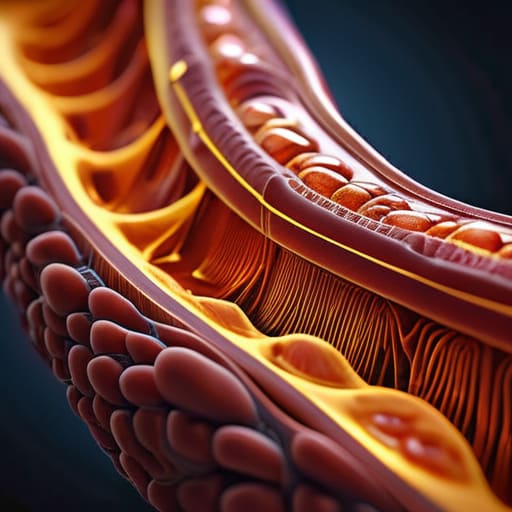
The reality is that what we call DOMS is essentially just the byproduct of muscle fiber microtrauma. When you push yourself harder than usual, you’re creating tiny, microscopic tears in the tissue. It sounds dramatic, but it’s a standard part of the adaptation process. The discomfort you feel forty-eight hours later isn’t a sign that you’ve “broken” your body; it’s the physiological signal that your system is initiating the muscle repair process. Most of the expensive, neon-colored recovery gadgets I see in advertisements are trying to solve a problem that your body is already perfectly equipped to handle on its own.
Instead of chasing a “fix,” you need to understand the relationship between exercise intensity and soreness. If you jump into a high-intensity session after a long break, you’re going to pay for it. There is no magic topical cream that bypasses the biological necessity of this inflammatory response. If you want to manage the discomfort, stick to the basics: keep moving gently and prioritize your sleep. Most effective recovery strategies for DOMS aren’t found in a supplement bottle; they are found in the boring, foundational habits we already know work.
The Slow Reality of Muscle Fiber Microtrauma
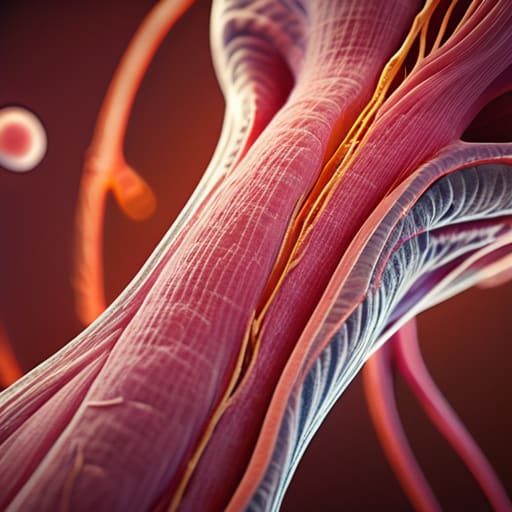
When we talk about the actual mechanism, we have to move past the marketing buzzwords and look at the biological reality: muscle fiber microtrauma. It isn’t some catastrophic injury, though your brain might try to convince you it is when you try to sit down on a wooden chair the next day. During particularly strenuous bouts of movement, particularly eccentric contractions, you are essentially creating tiny, microscopic tears in the muscle tissue. This isn’t a “glitch” in your training; it is the fundamental signal that tells your body it needs to adapt.
The subsequent discomfort you feel is largely driven by the body’s natural response to this damage. As the muscle repair process kicks in, you see a localized rise in inflammation, which is often the primary culprit behind that deep, aching sensation. I see so many people trying to “hack” this phase with expensive supplements or cryotherapy chambers, but they’re missing the point. Your body isn’t broken; it’s busy. The discomfort is simply the metabolic cost of adaptation, and no amount of overpriced recovery gear can bypass the time your cells require to knit themselves back together.
Why Exercise Intensity and Soreness Are Misunderstood
The biggest mistake I see in my clinic isn’t a lack of effort; it’s a fundamental misunderstanding of the relationship between exercise intensity and soreness. People tend to treat pain as a binary metric—either you’re working hard enough or you’re wasting your time. There is a pervasive myth that if you aren’t hobbling to the bathroom the next morning, the session was a failure. This is nonsense. Soreness is a biological response to novelty and tension, not a reliable speedometer for metabolic progress.
In reality, the muscle repair process doesn’t care about your subjective discomfort levels. You can achieve significant hypertrophic stimulus without feeling like you’ve been hit by a truck, and conversely, you can be incredibly sore simply because you tried a movement pattern your body hasn’t seen in months. When we conflate intensity with agony, we stop training based on physiological load and start training based on how much we can suffer. That’s a recipe for burnout, not progress. We need to stop looking for the “burn” as a validation of effort and start looking at the actual data of our training.
The Tedious Science of the Muscle Repair Process
If you want to understand the actual muscle repair process, you have to get comfortable with the idea of controlled damage. When you push yourself, you aren’t just “building” muscle; you are essentially creating tiny tears in the tissue. This isn’t a malfunction; it’s the biological prerequisite for adaptation. Once that muscle fiber microtrauma occurs, your body initiates a complex cascade of signaling molecules to clean up the mess and rebuild the structure stronger than before.
The part that most people miss—and where the marketing fluff starts to fly—is that this repair isn’t an instant fix. It’s a slow, metabolic slog involving immune cells migrating to the site of injury to manage inflammation and muscle pain. This inflammatory response is what causes that heavy, tender feeling you notice forty-eight hours later. It isn’t a sign that you’ve failed or that you need a specialized supplement; it’s just your body performing the unremarkable, heavy lifting of cellular maintenance. There is no shortcut to this biological timeline; you either wait for the chemistry to do its job, or you try to bypass it and end up injured.
Managing Inflammation and Muscle Pain Without Shortcuts
Now, this is where the internet usually fails you. If you search for help with inflammation and muscle pain, you’ll be met with a tidal wave of expensive magnesium sprays, compression boots, and “miracle” recovery supplements. I’ve spent fifteen years watching people spend hundreds of dollars trying to bypass the natural biological response to exercise. The truth is, most of those high-tech gadgets are just expensive ways to feel slightly better while doing nothing to actually speed up the muscle repair process.
If you want real results, you have to look toward the boring stuff. I’m talking about sleep hygiene, adequate protein intake, and basic hydration. These aren’t flashy, but they are the bedrock of how your body handles muscle fiber microtrauma. When I’m feeling particularly stiff after a cold sea swim, I don’t reach for a specialized recovery shake; I prioritize an extra hour of sleep and a decent meal. If you must try something active, stick to active recovery techniques like a gentle walk or light swimming. It keeps the blood moving without adding more stress. It’s slow, it’s unglamorous, and it’s the only thing that actually works.
Reliable Recovery Strategies for Doms That Actually Work
If you’ve spent any time on social media, you’ve likely seen someone pitching a $50 electrolyte powder or a specialized compression sleeve as the holy grail of recovery. Let’s clear the air: most of these gadgets are just expensive ways to feel like you’re doing something. When it comes to actual recovery strategies for DOMS, the most effective tools are the ones you already own. The real work happens through consistent sleep and adequate protein intake, which provide the literal building blocks required for the muscle repair process to function. Without those two pillars, you’re just rearranging deck chairs on the Titanic.
I’m also a big proponent of active recovery techniques, though I know “active” sounds exhausting when you can barely walk down the stairs. I don’t mean a grueling HIIT session; I mean a gentle walk or a low-resistance swim in the sea. The goal isn’t to crush yourself, but to encourage blood flow to the damaged tissue without adding more stress. It’s boring, it’s slow, and it won’t make for a viral TikTok, but movement is medicine for a stiff body.
Five ways to manage the discomfort without falling for the hype
- Stop looking for a magic supplement. Most of the expensive “recovery blends” are just overpriced ways to avoid the fact that you need more protein and better sleep. Eat enough to support the repair, and nothing else is going to do the heavy lifting for you.
- Keep moving, but keep it low-stakes. I know the instinct is to sit on the sofa until the ache goes away, but gentle, low-intensity movement—like a slow walk or a light swim—actually helps more than total stagnation. Just don’t mistake “active recovery” for another punishing workout.
- Hydration isn’t a trend, it’s basic biology. If you’re dehydrated, your body is going to have a much harder time managing the inflammatory response. It’s boring advice, I know, but a glass of water is more effective than a $6 electrolyte shot.
- Manage your expectations regarding the timeline. If you’ve pushed yourself hard, you are going to be sore for a few days. There is no way to “hack” the biological clock of muscle protein synthesis. Accept the discomfort as part of the process rather than a sign that something is wrong.
- Prioritize sleep over everything else. You can buy every foam roller and percussion massager on the market, but they won’t touch the repair process the way seven to nine hours of actual, uninterrupted sleep will. That’s where the real work happens.
The Bottom Line on Soreness
Stop using soreness as a compass for your progress; feeling like you’ve been hit by a truck isn’t a requirement for muscle growth, and it certainly isn’t a metric of success.
Throw away the “recovery hacks” and expensive supplements; your body repairs itself through the boring, reliable pillars of adequate protein, consistent sleep, and gentle, active movement.
Accept that discomfort is often just the physiological tax for doing something new, and the best way through it is patience rather than searching for a shortcut.
## The Myth of the Magic Recovery
“We need to stop treating soreness like a pathology that needs to be cured with a supplement or a gadget; it’s just your body’s way of filing a receipt for the work you did, and the only real way through it is time, hydration, and the patience to let your biology do its job.”
Marisol Trevino-Baird
The Long Game
At the end of the day, DOMS isn’t a signal that you’ve failed or a problem that requires a complex intervention. It is simply the physiological byproduct of doing something new or difficult. We’ve stripped away the mystery: it’s about microtrauma, the inflammatory response, and the slow, biological reality of tissue repair. You don’t need a $60 recovery drink or a specialized compression gadget to fix it; you need adequate sleep, consistent protein intake, and the patience to let your body do what it was evolved to do. Most of what you see marketed as “recovery technology” is just noise designed to distract you from the fact that recovery is a biological process, not a product you can buy.
If you find yourself feeling stiff and sore tomorrow, try not to view it as an obstacle to your progress. Instead, see it as a quiet confirmation that you actually showed up and did the work. The most successful people I know in this field aren’t the ones chasing the latest biohacking trends; they are the ones who have mastered the boring consistency of showing up, even when the recovery feels slow. Stop looking for the shortcut and start leaning into the process. The soreness will pass, but the adaptation is what stays.