
I was standing in the middle of a grocery aisle last Tuesday, staring blankly at a box of high-protein granola bars, when I realized I had completely run out of steam. It wasn’t a lack of character; it was just that my brain felt like a damp sponge. We spend so much time reading about “mindset shifts” and “mental toughness” as if we can simply purchase a better version of ourselves, but the science of willpower and its limits is far less glamorous than the influencers suggest. The truth is, you aren’t failing because you’re weak; you’re failing because you’re trying to use a finite biological resource to fight against a lifestyle that is fundamentally unsupportive of your goals.
I am not here to sell you a new morning routine or a supplement that promises to sharpen your focus. Instead, I want to talk about the unsexy, structural realities of how your energy actually works. We are going to look at why your discipline inevitably collapses when your sleep is poor or your environment is cluttered, and how to build systems that make strength unnecessary. My promise is simple: no hacks, no shortcuts, just the boring, reliable truths that actually move the needle.
Understanding Willpower and Its Limits
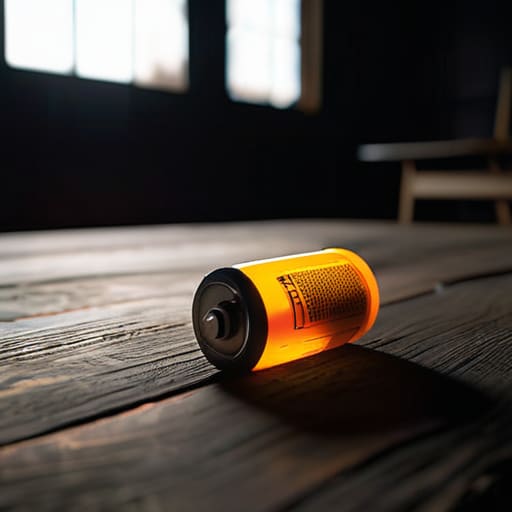
For years, I’ve sat across from patients who treat their self-control like a muscle that just needs more “reps” to grow. They want to know why they can resist a doughnut at 10:00 AM but find themselves scouring the pantry for chips at 9:00 PM. The reality is less about a lack of character and more about self-regulation fatigue. We often talk about willpower as this infinite well of strength, but in clinical practice, I see it more like a battery that drains with every minor choice you make—from what to wear to how to phrase an email.
There is a long-standing debate in psychology regarding ego depletion theory, which suggests that our capacity for restraint is a finite resource. While the science is still being debated and refined, the practical application remains the same: you cannot rely on sheer mental grit to sustain a lifestyle change. If you are constantly fighting your environment, you are essentially trying to run a marathon while holding your breath. Instead of trying to “fix” your discipline, we need to look at how you manage your energy throughout the day.
Key Things to Know

If you’re looking for a way to “recharge” your mental battery like a smartphone, I have some bad news: it doesn’t work that way. While the old concept of ego depletion theory—the idea that willpower is a finite fuel tank that physically runs dry—is still debated in academic circles, the practical reality for my patients is much more frustrating. It’s less about a tank running empty and more about the sheer, grinding weight of constant choice.
Most of the struggle isn’t a lack of character; it’s the cumulative decision fatigue impact that builds up from sunrise to sunset. Every time you negotiate with yourself—should I take the stairs, or the lift? Should I eat this snack, or wait for dinner?—you are taxing your system. By 7:00 PM, your ability to exercise even basic behavioral control mechanisms isn’t gone, it’s just exhausted by the sheer volume of micro-decisions you’ve made throughout the day. It’s not a flaw in your personality; it’s just the biological reality of a brain that has been working too hard.
Practical Tips and Steps
Since we’ve established that you can’t simply “will” your way through a fundamentally broken lifestyle, the goal isn’t to build a stronger engine, but to stop driving into a brick wall. The most effective way to manage your energy is to stop relying on sheer grit and start focusing on cognitive resource management. This means looking at your environment rather than your character. If you find yourself constantly fighting the urge to snack on processed food at 9:00 PM, don’t try to “discipline” your way out of it; simply stop buying the food. When the choice isn’t there, you don’t need willpower to resist it.
Secondly, we need to address the reality of decision fatigue impact. Your ability to make sound choices erodes as the day progresses. If you leave your meal prep or your morning workout decisions for when you are tired and stressed, you will almost certainly fail. I suggest automating the mundane. Lay out your clothes, prep your lunch, and set your schedule the night before. By reducing the number of micro-decisions you make, you preserve your mental capacity for the things that actually matter.
Common Mistakes to Avoid
The biggest mistake I see in my clinic isn’t a lack of effort; it’s the attempt to treat discipline like a muscle you can just “crush” in a single session. People often fall into the trap of trying to overhaul their entire lifestyle on a Monday morning, only to collapse by Wednesday. This is where the decision fatigue impact becomes real. When you try to exert intense behavioral control over every single variable—what you eat, when you sleep, how much you move—you aren’t building resilience; you are just accelerating your own burnout.
Another pitfall is the obsession with “hacking” your way around self-regulation fatigue. I see clients searching for the perfect supplement or a new productivity app to fix what is essentially a structural problem. They want a shortcut to bypass the mental exhaustion that comes from making a thousand tiny choices a day. Stop looking for a magic pill to fix your focus. The reality is that trying to outsmart your biology is a losing game. Instead of trying to force your way through the exhaustion, focus on reducing the number of difficult decisions you have to make in the first place.
Final Thoughts
I’m not going to leave you with a motivational quote or a promise that you can “manifest” more grit. That isn’t how biology works. If you find yourself failing at your goals by 7:00 PM every Tuesday, it’s likely not a character flaw; it’s just the predictable reality of decision fatigue impact. Your brain is an energy-intensive organ, and it gets tired of making choices just like your muscles do after a long swim.
Instead of trying to “fix” your discipline through sheer force, focus on your environment and your systems. Stop trying to outrun self-regulation fatigue and start building a life where you don’t have to use your mental energy to resist temptation in the first place. The goal isn’t to become a person of superhuman resolve; it’s to become someone who manages their energy well enough that they don’t need to rely on it so heavily. It’s unglamorous, it’s slow, and it’s much more effective than any “hack” you’ll find on a social media feed. Stick to the basics.
The unglamorous reality of making things stick
- Stop trying to “discipline” your way out of a bad environment; if your kitchen is a graveyard of ultra-processed snacks, no amount of mental grit is going to save you at 9:00 PM on a Tuesday.
- Treat your decision-making like a battery that drains throughout the day—save the hard stuff, like meal prepping or complex planning, for when you actually have the cognitive bandwidth to do it.
- Build systems that make the right choice the easiest choice, because relying on sheer force of will is a losing game that leaves you exhausted and prone to crashing.
- Forgive the lapses instead of spiraling; the “all-or-nothing” mentality is the fastest way to burn through your mental reserves and end up abandoning your goals entirely.
- Focus on the boring, repetitive habits that run on autopilot, because true consistency isn’t about heroic bursts of effort, it’s about what you do when you’re too tired to care.
The Bottom Line
Stop treating willpower like a muscle you can train into a superpower; it’s a finite resource that will always fail you if you rely on it to override a poor environment.
Real progress isn’t found in a new discipline hack, but in the tedious work of automating your decisions so you don’t have to use your mental energy at all.
If you find yourself constantly “failing” at your goals, stop looking for more grit and start looking at your friction points—the boring, predictable things that make staying on track difficult.
The Willpower Myth
We spend far too much energy trying to build a stronger engine when the real solution is simply to stop driving into the mud; stop looking for a way to force your discipline and start looking at the environments that make your discipline unnecessary in the first place.
Marisol Trevino-Baird
The Long Game
If you’ve walked away from this feeling like you need to go out and buy a new planner or download a discipline-tracking app, you’ve missed the point. We have spent this time dismantling the myth that you can simply “will” your way through a lifestyle you haven’t built. We’ve looked at how willpower is a finite, fickle resource that fails the moment you are tired, stressed, or hungry. The takeaway isn’t to try harder; it is to stop relying on intensity and start focusing on the environment and the systems that make your good choices the path of least resistance. It is about moving away from the high-stakes drama of self-control and toward the quiet, steady management of your energy and your surroundings.
At the end of the day, the most successful people I see in my practice aren’t the ones with superhuman grit; they are the ones who have accepted that consistency beats intensity every single time. You don’t need a breakthrough or a moment of profound clarity to change your life. You just need to show up for the dull, repetitive, and unglamorous habits that actually move the needle. It won’t feel like a cinematic montage, and it certainly won’t feel revolutionary, but that is exactly how real, lasting change happens. Just keep doing the boring work.