
I spent most of my morning in the freezing Atlantic, and as I climbed out, shivering and dripping, I found myself thinking about the sheer amount of money people waste on “advanced” electrolyte salts. I see it every week in my clinic: patients clutching expensive, neon-colored powders, convinced they’ve found a biohacking miracle, when in reality, they are just paying a premium for a fancy way to fix a basic sodium and potassium balance issue. Most of these supplements are nothing more than a distraction from the fact that your diet is likely skewed toward processed convenience rather than actual, whole food. It’s not a mystery to be solved with a subscription service; it’s just basic math that we’ve collectively overcomplicated.
I am not here to sell you a proprietary blend or a magic pill that promises instant cellular hydration. Instead, I’m going to strip away the marketing fluff and look at what the actual data says about how these two minerals interact in your body. We are going to talk about the unsexy, slow work of adjusting your food choices to find that equilibrium. My goal is to help you understand the mechanics of your own metabolism so you can stop chasing trends and start focusing on the dull, effective habits that actually keep you functioning.
Understanding Sodium and Potassium Balance
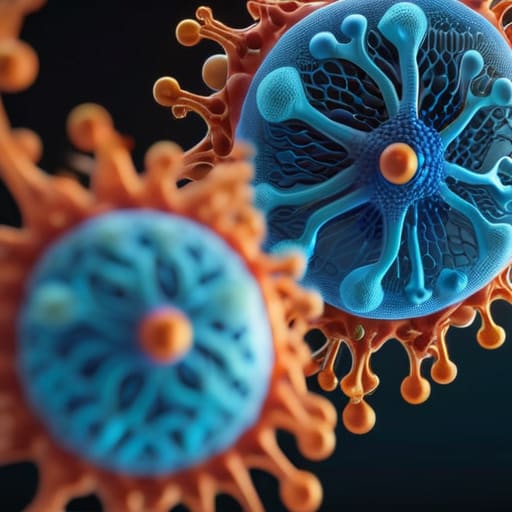
To understand why this matters, you have to look past the marketing hype and look at the cellular level. It isn’t just about “salt intake”; it’s about the constant, microscopic tug-of-war happening inside every single one of your cells. This is governed by the sodium-potassium pump mechanism, a biological engine that uses energy to move ions across cell membranes. Think of it as a tiny, tireless security team maintaining a very specific internal environment. When this exchange gets out of whack—usually because we’ve flooded the system with processed sodium—the electrical signals that govern your muscles and nerves start to stumble.
This isn’t just academic theory; it has real-world consequences for your cardiovascular health. When the ratio shifts too far in one direction, your body holds onto excess water to dilute the salt, which increases your total blood volume. This is a primary driver in managing blood pressure through nutrition. We often focus so much on cutting the salt shaker that we forget the other half of the equation: getting enough potassium to help flush the system and relax those vessel walls. It’s not a magic hack; it’s just basic, unsexy biological math.
Key Things to Know
First, let’s strip away the marketing. You don’t need a $50 tub of neon-colored powder to fix your hydration. The reality is that your body relies on the sodium-potassium pump mechanism to move ions across cell membranes, a process that happens billions of times a day without you lifting a finger. It’s not about “loading up” on minerals; it’s about maintaining the subtle tension between them. When this exchange gets out of whack—usually because we are drowning in processed foods—your cells simply can’t do their jobs.
Second, if you are looking at this through the lens of cardiovascular health, the math is quite simple, even if it isn’t flashy. We often talk about managing blood pressure through nutrition as if it’s a complex puzzle, but it usually comes down to the ratio. It isn’t just about lowering your salt intake; it’s about increasing your potassium to offset the damage. If you focus on the electrolyte ratio for hypertension by swapping a bag of chips for a baked potato or some spinach, you are doing more for your vascular system than any “biohack” could ever achieve.
Practical Tips and Steps
So, how do we actually apply this without turning your kitchen into a chemistry lab? First, stop looking for a magic pill and start looking at your plate. Most people try to “fix” their levels by buying expensive electrolyte drops, but the real work happens through managing blood pressure through nutrition in a very unglamorous way: increasing your fiber and plant intake. If you want to shift the needle, aim to add one high-potassium food—think avocado, spinach, or white beans—to at least two meals a day. It’s not about a single “superfood” moment; it’s about the cumulative effect of these small, repetitive choices.
Secondly, I want you to be more mindful of the “hidden” salt in ultra-processed foods. It isn’t just about the salt shaker on your table; it’s the sodium baked into your bread, deli meats, and frozen meals that disrupts your dietary mineral regulation. You don’t need to go on a restrictive, joyless diet. Just try to prioritize whole, single-ingredient foods where the mineral ratio is naturally balanced. It’s slow, it’s repetitive, and it’s exactly how you actually get results.
Common Mistakes to Avoid
The biggest mistake I see in clinical practice isn’t a lack of effort; it’s a surplus of expensive, misguided effort. People spend hundreds of dollars on “advanced” electrolyte salts or specialized powders, thinking they’ve unlocked a biohack. In reality, they are often just adding more sodium to a system that is already struggling. If you are trying to manage your health by adding supplements without first addressing your baseline diet, you aren’t optimizing anything—you’re just making the math harder.
Another trap is the obsession with “low sodium” while completely ignoring the other side of the equation. You can slash your salt intake all you want, but if you aren’t hitting your potassium targets, you aren’t actually helping your body regulate its fluid levels. This is where the cellular sodium potassium exchange gets messy. When we focus solely on restriction rather than balance, we miss the fundamental mechanism of how our cells actually function. It isn’t about being salt-free; it’s about ensuring your dietary mineral regulation is actually working in harmony, rather than fighting against itself.
Final Thoughts
At the end of the day, we have to stop treating nutrition like a series of life hacks and start treating it like biology. There is no magic powder or “optimized” supplement that can bypass the fundamental reality of how our cells function. Whether it’s the complex sodium-potassium pump mechanism working at a microscopic level or the way your kidneys respond to a heavy salt meal, your body is already running a highly sophisticated program of dietary mineral regulation. It doesn’t need more complexity; it just needs less interference.
If you take anything away from this, let it be that consistency beats intensity every single time. You don’t need to obsess over every milligram, but you do need to be mindful of the long-term trends in your diet. Managing blood pressure through nutrition isn’t about a sudden, radical overhaul; it’s about the slow, steady habit of choosing a potato over a bag of chips. It’s unexciting, it’s tedious, and it’s exactly how you actually get results. Stick to the basics. The basics are usually enough.
Five ways to stop overcomplicating your electrolytes
- Stop looking for a magic powder and start looking at your plate; most people don’t need more sodium, they just need more actual food that isn’t coming out of a crinkly plastic bag.
- Prioritize the “big three” potassium sources—potatoes, spinach, and beans—because they are cheap, boring, and significantly more effective than any expensive wellness supplement.
- Watch the hidden salt in “healthy” processed foods like bread and deli meats, which often act as a stealthy sodium delivery system while you’re busy worrying about your salt shaker.
- If you’re training hard or sweating heavily, don’t panic and dump salt into your water; just focus on eating a balanced meal afterward that includes a decent serving of vegetables.
- Use the “whole food rule” as your default setting; if the ingredient list looks like a chemistry experiment, it’s likely skewing your ratio in the wrong direction.
The Bottom Line
Stop looking for a magic electrolyte powder; most of the “imbalance” people feel is just a lack of whole foods like bananas, potatoes, and leafy greens.
It isn’t about cutting salt to zero—it’s about the ratio, which means increasing your potassium intake to balance out the processed sodium.
Consistency beats intensity; you don’t need a complex hydration protocol, you just need to stop overdoing the salt and start eating real food again.
## The Electrolyte Myth
We spend so much time hunting for the perfect, expensive electrolyte powder to fix our fatigue, when the reality is much more unglamorous: most of us are just drowning in processed salt and starving for a decent serving of vegetables.
Marisol Trevino-Baird
The Long Game
At the end of the day, managing your sodium and potassium isn’t about finding a magic supplement or a specialized electrolyte drink that promises instant recovery. It’s about the unglamorous, daily math of choosing a potato over a bag of chips or adding a handful of spinach to your lunch. We’ve looked at how the ratio between these two minerals dictates your blood pressure and cellular function, and we’ve debunked the idea that you need a complicated protocol to get it right. The goal isn’t perfection; it’s simply to stop leaning so heavily on processed salt and start prioritizing whole, potassium-rich foods that your body actually knows how to use. It is boring, predictable, and effective.
I know it isn’t the headline that sells subscriptions, but true metabolic health is rarely found in a flashy new trend. It is built in the quiet, repetitive moments where you choose the long-term benefit over the immediate convenience. Don’t let the noise of the wellness industry convince you that you need something complex to be healthy. If you can master the basics—eating real food and keeping your salt intake in check—you are already ahead of 90% of the people I see in my clinic. Trust the slow, steady accumulation of these small, dull habits. That is where the real transformation happens.