
I spent my morning shivering in the North Sea, a habit that keeps me sane, but it also reminded me of how much we overcomplicate the biological basics. Lately, my inbox has been flooded with people asking about “metabolic resets” and expensive thermogenic supplements, as if you can just flip a switch to fix your engine. It’s exhausting. Most of these influencers treat your body like a broken machine that needs a high-tech hack, but they completely miss the point of what metabolism actually means. In reality, it isn’t a single thing you can “boost” with a powder; it is a massive, quiet, and incredibly complex web of chemical reactions that mostly just wants you to stay consistent.
I’m not here to sell you a magic pill or a thirty-day shred. If you’re looking for a shortcut, you’ve come to the wrong corner of the internet. What I am going to do is strip away the marketing jargon and give you the clinical reality of how your body actually processes energy. We are going to look at the boring, slow, and evidence-led truths about how your cells function, so you can stop chasing trends and start focusing on the few things that actually move the needle.
Forget the Hype What Metabolism Actually Means Beyond the Trends

When I see “metabolic reset” or “burn fat while you sleep” scrolling through my feed, I can’t help but roll my eyes. These terms treat your body like a broken furnace that just needs the right kind of coal to get going. In reality, metabolism isn’t a single switch; it is the sum of every chemical reaction happening inside you right now. At its core, we are talking about the cellular respiration process—the incredibly complex, microscopic work of turning nutrients into the ATP that keeps your heart beating and your brain firing.
If you want to look past the marketing, you have to look at the actual metabolic health indicators that matter, like insulin sensitivity and blood glucose stability. It isn’t about a magic supplement; it’s about how efficiently your cells handle energy. Most of the “hacks” people chase are just attempts to manipulate thermogenesis and calorie burning through extreme measures that usually backfire. Real metabolic function is a steady, quiet background process. It doesn’t scream for attention with flashy trends; it just requires the boring, consistent foundation of adequate protein, movement, and sleep.
The Slow Science of the Cellular Respiration Process
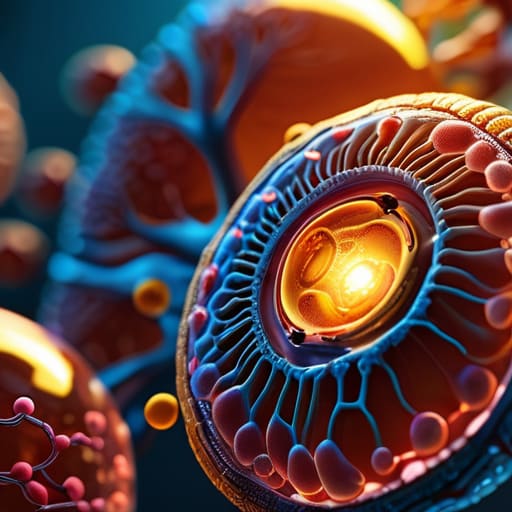
When people talk about “boosting” their metabolism, they usually imagine a furnace being stoked with more coal. In reality, it’s much quieter than that. At its core, the cellular respiration process is just a series of incredibly tedious, microscopic chemical reactions happening inside your mitochondria. It is the way your cells take the glucose and fatty acids from your food and convert them into ATP—the chemical currency that keeps your heart beating and your lungs moving. It isn’t a magical spark; it is a steady, rhythmic, and largely invisible grind.
If you want to understand your metabolic rate explained without the marketing fluff, you have to look at the sheer amount of energy required just to maintain your basic biological machinery. This includes everything from protein synthesis to maintaining your body temperature. While influencers will try to sell you a supplement to “ignite” this process, the truth is that your rate is dictated by your lean muscle mass, your age, and your genetics. You can’t hack a biological system that is designed for stability rather than speed.
Basal Metabolic Rate Factors the Unsexy Math of Living
When people talk about their metabolism, they usually treat it like a fixed thermostat—either it’s set too low or you need to “crank it up.” In reality, your Basal Metabolic Rate (BMR) is less like a dial and more like a complex, shifting calculation of how much energy your body requires just to keep your heart beating and your lungs moving while you sit still. Most of the basal metabolic rate factors that actually matter are quite unglamorous. We aren’t talking about “fire-starting” supplements; we are talking about lean muscle mass, your hormonal profile, and even your age.
If you want to understand how your body uses fuel, you have to look at the biological cost of existence. A significant portion of your daily energy expenditure is simply the work required to maintain cellular integrity. While I see people constantly searching for ways to manipulate thermogenesis and calorie burning through extreme temperature exposure or specific foods, the reality is that your BMR is largely dictated by your body composition. It is slow, it is predictable, and it is stubbornly resistant to the “hacks” currently trending on your feed.
Why Macronutrient Metabolism Is Not a Magic Trick
I see it in my clinic every week: someone convinced that if they just swap their pasta for cauliflower or time their protein intake to a specific window, they’ve somehow unlocked a secret metabolic cheat code. It’s exhausting. The reality of macronutrient metabolism is far less cinematic. Your body isn’t a high-performance engine waiting for a specific fuel brand to trigger a transformation; it is a massive, complex chemical plant that is constantly breaking down carbohydrates, fats, and proteins to keep the lights on.
Whether you are eating a steak or a bowl of oats, the fundamental goal remains the same: fueling the cellular respiration process to produce ATP. There is no magic trick where one macro “burns” more than another in a way that bypasses the laws of thermodynamics. While things like the thermic effect of food play a small role in your daily energy expenditure, they aren’t the miracle workers the influencers claim. If you’re looking for a way to outsmart your biology with a specific food order, you’re going to be disappointed. Real metabolic stability comes from consistent, predictable fueling, not from chasing the latest nutritional alchemy.
Demystifying Thermogenesis and Calorie Burning Without the Shortcuts
If you spend more than five minutes on social media, you’ve likely seen someone claiming they’ve discovered a way to “rev up” their metabolism through a specific tea or a thirty-second breathing exercise. It’s exhausting. In reality, the concept of thermogenesis and calorie burning is far less cinematic than these influencers suggest. Thermogenesis is simply the energy your body expends to produce heat—whether that’s from digesting your lunch or just maintaining your core temperature on a chilly morning during one of my sea swims. It isn’t a lever you can pull to trigger instant fat loss; it is a steady, metabolic tax that your body pays just to exist.
The truth is that most of your daily energy expenditure is incredibly predictable. While we talk a lot about the cellular respiration process occurring at a microscopic level, the macroscopic reality is that significant changes in calorie burning require significant, often tedious, lifestyle shifts. You cannot “hack” your way around the fundamental physics of energy balance. Instead of looking for a magic pill, I suggest focusing on the boring stuff: consistent movement and adequate protein intake. These are the real, albeit unexciting, drivers of long-term metabolic health.
Real Metabolic Health Indicators Worth Your Slow Attention
Since we’ve moved past the hype, let’s talk about how you actually measure whether your system is functioning well. If you’re looking for a single “metabolism score” on a smart ring, I have some disappointing news: it doesn’t exist. Real metabolic health indicators are much more tedious than a colorful app interface. I tend to look at things like fasting glucose levels, triglyceride-to-HDL ratios, and waist-to-height ratios. These aren’t flashy, and they won’t give you a dopamine hit, but they tell a much more honest story about your internal state than any “metabolic age” calculator ever could.
The goal isn’t to optimize a single number; it’s to ensure your cellular respiration process is efficient and your blood sugar remains stable throughout the day. When I see patients, I’m less interested in their daily calorie burn and more interested in their insulin sensitivity and sleep quality. If your sleep is a wreck, your ability to manage macronutrient metabolism is going to suffer, regardless of how many “metabolic hacks” you try. It’s slow, it’s unglamorous, and it’s exactly where the real work happens.
Five Boring Realities to Replace Your Metabolic Myths
- Stop looking for a “switch” and start looking at your baseline. Metabolism isn’t a lever you pull to burn fat; it’s the background noise of your cells staying alive. Your focus should be on supporting that baseline through consistent, predictable habits rather than trying to trigger a sudden metabolic shift.
- Prioritize muscle mass, not just calorie counting. While the math of calories matters, the quality of your metabolic engine depends on lean tissue. Resistance training isn’t a shortcut to weight loss; it’s a slow way to build a more efficient biological furnace.
- Respect your sleep hygiene as a metabolic necessity. You can eat the perfect macro split, but if you are chronically sleep-deprived, your hormonal signaling—specifically insulin and cortisol—will be a mess. Sleep is the most underrated metabolic regulator in existence.
- Move more, but don’t overcomplicate it. You don’t need high-intensity interval training every morning to “rev” your metabolism. Consistent, low-intensity movement like walking or swimming helps maintain insulin sensitivity and keeps the gears turning without the unnecessary stress of extreme workouts.
- Focus on metabolic flexibility through stability, not deprivation. Instead of chasing “fasting hacks” that leave you exhausted, aim for stable blood sugar levels through regular, nutrient-dense meals. It’s about teaching your body to use fuel efficiently, not punishing it into submission.
The Bottom Line: What’s Actually Worth Your Energy
Stop looking for a metabolic “reset” or a magic supplement; metabolic health is a slow-moving baseline built on consistent sleep, movement, and predictable eating patterns.
Your BMR and thermogenesis are driven by biology, not hacks—focus on maintaining lean muscle mass and steady activity rather than chasing temporary caloric deficits.
Ignore the flashy bio-markers on social media and focus on the boring stuff that actually matters: stable energy levels, consistent sleep, and reliable blood glucose management.
## The Reality Check
“Metabolism isn’t a furnace you can stoke with a specific supplement or a ‘hack’ you find on a trending reel; it is the quiet, relentless, and incredibly boring work your cells do every second just to keep you alive.”
Marisol Trevino-Baird
The Long Game
We have covered a lot of ground, and if you feel a little less certain about the “hacks” you see scrolling through your feed, then I’ve done my job. We’ve looked at how metabolism is less about a single magic number and more about the messy, beautiful reality of cellular respiration, your basal rate, and the way your body handles fuel. There is no secret supplement that bypasses the physics of thermogenesis, and there is no dietary trend that can outrun the fundamental biology of how your cells actually function. Real metabolic health isn’t a sprint or a puzzle to be “solved” overnight; it is the cumulative result of how you manage your sleep, your movement, and your consistent, unremarkable nutritional habits.
I know it isn’t as exciting as a headline promising a metabolic reset in seven days. It’s much harder to get excited about consistent protein intake and regular walking than it is about a “miracle” tea. But there is a quiet kind of power in accepting that the truth is often dull. When you stop chasing the shortcuts, you stop wasting your energy on things that don’t work and start investing it in the things that do. Trust the slow, steady progress. It might feel invisible while it’s happening, but that is exactly how real change is built.