
I spent twenty minutes this morning watching a fitness influencer on my phone claim that a specific “vacuum” technique was the secret to a shredded midsection. It’s the same recycled nonsense I’ve spent fifteen years debunking in my clinic: the idea that you can out-hack your anatomy with a flashy, thirty-second movement. Most people come to me exhausted from trying these “miracle” sequences, only to realize they’ve spent months neglecting the actual mechanics of stability. If you are looking for a way to transform your body through a series of rapid-fire abdominal isolations, you are in the wrong place. Real core training beyond crunches isn’t about chasing a burn; it’s about the tedious, often unglamorous work of teaching your trunk to manage load and resist unwanted movement.
I’m not here to sell you a six-pack in six days or a complex routine that requires a specialized gym membership. Instead, I’m going to give you the unsexy truth about how to actually build functional strength. We are going to focus on the boring, foundational movements that actually move the needle for your spine and your stability. It won’t be fast, and it certainly won’t be trendy, but it will be evidence-led.
Understanding Core Training Beyond Crunches
The problem with the traditional crunch is that it treats your midsection like a hinge, when in reality, your core is meant to be a stabilizer. Most people I see in clinic aren’t suffering from a lack of abdominal flexion; they’re struggling because their trunk can’t resist unwanted movement. If you want to actually protect your spine, you need to stop focusing on making the muscle shorten and start focusing on spinal stabilization techniques that teach your body to stay rigid under pressure.
This is where we shift toward anti-rotation strength training. Instead of curling your spine upward, you should be practicing movements that challenge your ability to resist being pulled out of alignment. It’s much harder, and frankly, much more boring than a high-rep ab circuit, but it’s how you build a chassis that actually supports your limbs. We aren’t just looking for aesthetic definition; we are looking for functional core stability exercises that translate to real life—like carrying heavy groceries or picking up a child without that dreaded twinge in your lower back.
Key Things to Know
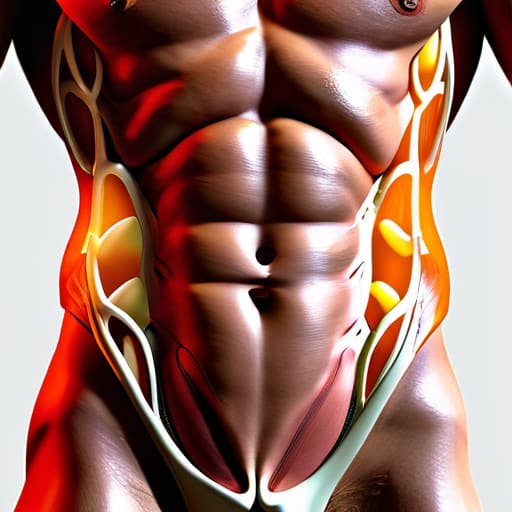
First, we need to clear up a misconception: your core isn’t just a six-pack. If you only train the superficial muscles—the ones that make you look good in a mirror—you’re missing the point of what the system actually does. Real strength comes from the deep, structural layers. I’m talking about transverse abdominis activation, which is essentially your body’s internal corset. Without engaging those deeper stabilizers, you’re just building superficial muscle on top of a shaky foundation.
Second, stop thinking about “moving” the spine and start thinking about resisting it. Most of our daily lives require us to stay upright and stable while external forces try to knock us off balance. This is where anti-rotation strength training becomes non-negotiable. Instead of twisting your torso like a gymnast, you should be practicing how to stay still when a weight tries to pull you sideways. It’s not flashy, and it won’t win you any awards for creativity, but it is the most effective way to build a body that doesn’t ache by 4:00 PM.
Practical Tips and Steps
Start by stripping away the equipment. You don’t need a fancy machine to build a resilient midsection; you need to teach your body how to resist unwanted movement. I always tell my patients to stop chasing the “burn” and start chasing control. This means prioritizing anti-rotation strength training—think of a Pallof press or even just holding a static position while someone gently nudges your shoulder. It feels remarkably unexciting while you’re doing it, but that’s exactly why it works. You are training your nervous system to keep your spine neutral when life tries to knock you off balance.
Once you’ve mastered that stillness, integrate it into your heavier lifts. Instead of adding more floor work, focus on compound movements for core strength, like the goblet squat or the deadlift. These force your entire trunk to work as a single unit. If you can’t maintain a steady, braced midline during a heavy carry, more sit-ups won’t save you. It’s about building a foundation of stability that actually shows up when you’re lifting groceries or chasing a toddler, rather than just looking good in a mirror.
Common Mistakes to Avoid
The biggest mistake I see in my clinic isn’t a lack of effort; it’s a lack of direction. People spend twenty minutes a day doing high-rep sit-ups, thinking they’re building a fortress, when they’re actually just straining their hip flexors and neglecting their deep stabilizers. If you aren’t focusing on transverse abdominis activation, you aren’t really training your core; you’re just training your superficial muscles to move your spine in ways they weren’t designed to handle under load.
Another trap is the obsession with “movement” over “control.” Everyone wants to twist and bend, but true strength often comes from the ability to resist movement. I see so many people skip over anti-rotation strength training because it feels “too easy” or static. It isn’t. If you can’t maintain a neutral spine while life is trying to pull you out of alignment, all those fancy crunches won’t save you from a back injury. Stop chasing the burn and start prioritizing the stillness that actually protects your body.
Final Thoughts
Look, I know it isn’t glamorous. There is no dopamine hit in spending twenty minutes focusing on transverse abdominis activation or slowly mastering a dead bug while your mind wanders. It’s much easier to scroll through a video of someone doing high-speed, flashy abdominal circuits and feel like you’ve “worked out.” But as I’ve told my patients for fifteen years, flashy rarely translates to functional.
If you want a body that actually supports you when you’re carrying groceries or bracing for a sudden movement, you have to embrace the slow build. Prioritizing anti-rotation strength training and consistent spinal stabilization techniques won’t change your physique overnight, but it will change how your body feels in ten years.
Don’t wait for a breakthrough or a new piece of equipment to fix your stability. Just pick the boring, foundational movements we discussed, do them with intention, and stay consistent. Real strength isn’t found in the shortcuts; it’s found in the repetitive, unexciting work you do when no one is watching.
The Unsexy Fundamentals of Actual Stability
- Stop chasing the burn. A crunch that leaves you gasping for air is often just a vanity movement; instead, focus on isometric holds like the plank or dead bug where the goal is stillness, not sweat.
- Learn to breathe through the tension. If you are holding your breath to finish a set, you aren’t building a functional core; you’re just increasing your intra-abdominal pressure in a way that doesn’t translate to real life.
- Prioritize anti-rotation over flexion. Your core’s primary job isn’t to bend your spine like a gymnast, but to prevent it from twisting unexpectedly when you’re carrying groceries or dodging a puddle.
- Integrate your limbs. Real strength happens when your core has to stabilize your body while your arms and legs are moving—think bird-dogs or single-leg reaches—rather than just sitting there in isolation.
- Embrace the slow burn. If a movement feels too easy, don’t just add more reps; slow down the tempo. Controlled, grinding movements build more reliable stability than a hundred fast, sloppy repetitions.
The Bottom Line
Stop chasing the burn of a thousand crunches; real stability comes from mastering the slow, boring movements that teach your body how to stay rigid under tension.
Consistency beats intensity every single time—a few minutes of intentional, controlled core work daily is far more effective than one frantic, high-intensity session once a week.
Focus on function over aesthetics; if you want a core that actually supports your spine and improves your movement, you have to train for stability, not just for the mirror.
The Illusion of the Crunch
If you’re looking for a way to burn fat or sculpt a six-pack by doing hundreds of sit-ups in your living room, you’re chasing a ghost. Real core stability isn’t about the visible muscle you see in the mirror; it’s about the boring, quiet work of teaching your spine to stay steady while the rest of your body moves. It’s unsexy, it’s slow, and it’s significantly less satisfying than a fitness influencer’s montage—but it’s the only way to actually build a body that functions.
Marisol Trevino-Baird
The Long Game
If you’ve followed along, you know I’m not interested in the flashy, thirty-second ab circuit you saw on Instagram this morning. We’ve covered why the “crunch” is a narrow, often inefficient way to look at stability, and why focusing on functional, multi-planar movements—like carries, planks, and controlled rotations—is what actually builds a resilient midsection. It isn’t about chasing a six-pack for the sake of vanity; it’s about creating a stable foundation that supports your spine and improves how you move through the world. It’s about moving away from the superficial and toward structural integrity.
At the end of the day, real progress is rarely explosive. It’s quiet, it’s repetitive, and it’s often quite boring. But just like my sea swims in January, the most meaningful results come from showing up when the novelty has worn off and the weather is grey. Don’t look for a way to bypass the work. Instead, embrace the slow, steady process of building a body that is actually capable. Stop searching for the shortcut and start leaning into the dull, reliable truth of consistent, thoughtful movement. It works, even if it isn’t exciting.