
I spent twenty minutes last night scrolling through a thread of “sleep hygiene” influencers suggesting that you need a $100 weighted silk eye mask and a specific blend of magnesium-infused lavender mist to actually rest. It’s exhausting. We’ve turned the simple concept of evening routines and preparation into this high-maintenance performance that requires a subscription service and a ridiculous amount of cognitive load. Honestly, if your wind-down process feels like another item on a stressful to-do list, you aren’t “optimizing” anything—you’re just manufacturing anxiety under the guise of wellness.
I’m not here to sell you a complicated ritual or a new supplement stack. My goal is to strip away the noise and look at the few, unglamorous habits that actually move the needle on your metabolic health and sleep quality. We are going to talk about the boring, foundational shifts—like dimming the lights and prepping your breakfast the night before—that actually work because they reduce decision fatigue. I promise to give you the unremarkable truth about what is worth your energy and what is just well-marketed nonsense.
The Unremarkable Truth About Effective Evening Routines and Preparation
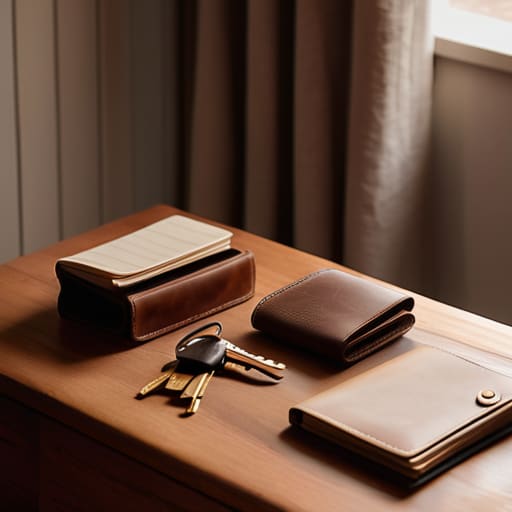
Most people come to me looking for a way to “biohack” their way out of a bad night’s sleep, as if there’s a secret supplement or a specific frequency of light that will fix everything. There isn’t. The reality is much more tedious: it’s about reducing morning stress by doing the heavy lifting the night before. This isn’t about some complex ritual; it’s about the mundane act of organizing for tomorrow. If your keys are lost and your clothes are scattered, your brain starts racing before you’ve even had coffee. Taking ten minutes to set your stage is unglamorous, but it works.
The same applies to what we call sleep hygiene habits. You don’t need a specialized “sleep sanctuary” or expensive aromatherapy. You just need to stop fighting your biology. This usually means a simple digital detox before bed—putting the phone in another room so you aren’t scrolling through outrage or blue light until midnight. It’s not a revolutionary concept, and it’s certainly not fun, but consistency beats complexity every single time. If you want better rest, stop looking for a shortcut and start looking at your habits.
Forget Hacks the Slow Magic of Real Sleep Hygiene Habits
I’ve spent a decade watching people chase “nighttime productivity hacks” like they’re searching for a magic pill. They want a specific sequence of breathing exercises or a proprietary supplement that will somehow bypass the biological reality of being tired. It’s exhausting to watch. In reality, the most effective sleep hygiene habits are incredibly unglamorous. We aren’t looking for a breakthrough; we are looking for consistency.
If you want to actually improve your sleep, stop looking for a complex ritual and start practicing a simple digital detox before bed. This isn’t about some spiritual awakening; it’s about stopping the blue light and the dopamine loops from hijacking your nervous system right when you should be winding down. It’s boring, it’s difficult to sustain, and it’s exactly what works.
The same applies to how you handle your environment. Instead of trying to “optimize” your brain through sheer willpower, try a bit of mindless organizing for tomorrow. Laying out your clothes or clearing the kitchen counter isn’t a life hack; it’s just reducing the cognitive load you’ll face when you wake up. It’s about making the morning easier by doing the dull work tonight.
Why a Digital Detox Before Bed Is Actually Worth It
I know, I know. Telling an adult to put their phone away feels as useful as telling them to drink more water—it’s obvious, and it’s annoying. We’ve been told for years about blue light and melatonin suppression, and while the science is solid, the real issue isn’t just the light hitting your retinas; it’s the cognitive friction. Every scroll through a newsfeed or a work email is a tiny, jagged spike of cortisol. You aren’t just looking at a screen; you are actively engaging your brain in a state of high-alert problem solving or emotional reaction.
A digital detox before bed isn’t about being a monk or following some trendy wellness ritual. It’s about lowering the baseline noise so your nervous system can actually settle. When you replace the infinite scroll with something tactile—like reading a physical book or even just organizing for tomorrow by laying out your clothes—you are signaling to your brain that the day is done. You don’t need complex pre-sleep relaxation techniques involving expensive apps; you just need to stop inviting the entire world into your bedroom at 11:00 PM.
The Dull Art of Organizing for Tomorrow Without the Hype
I see people constantly hunting for some revolutionary “nighttime productivity hack” that will magically make them more efficient, but they’re looking in the wrong direction. Real efficiency isn’t about doing more; it’s about reducing the cognitive load you carry into the next day. I’m talking about the mundane, slightly tedious work of laying out your clothes, checking your calendar, or packing your bag before you even think about sitting on the sofa. It feels small, almost insignificant, but it’s actually one of the most effective ways of reducing morning stress.
When you spend ten minutes organizing for tomorrow while your brain is still somewhat tethered to the day, you prevent that frantic, cortisol-spiking scramble that usually happens at 7:00 AM. It isn’t glamorous, and it certainly won’t trend on social media, but it works because it closes open loops in your mind. By handling these small logistical hurdles in the evening, you allow your brain to transition into a state of rest rather than staying stuck in a loop of “did I remember to…?” It’s just basic preparation, stripped of the hype.
Ditch the Shortcuts for Proven Pre Sleep Relaxation Techniques
I see people spending hundreds of pounds on weighted blankets, magnesium sprays, and “sleep-inducing” supplements that promise to rewire their nervous systems overnight. It’s exhausting to watch. Most of these products are just expensive distractions from the fact that your brain is still running a marathon while your body is trying to lie down. You don’t need a biohack; you need to lower your physiological arousal.
Instead of chasing the latest nighttime productivity hacks—which, let’s be honest, is a contradiction in terms—try something that actually works: lowering the temperature and the lights. A warm bath isn’t just about comfort; it’s about the subsequent drop in core body temperature that signals to your brain it’s time to shut down. Pair that with some simple, rhythmic breathing or a bit of reading, and you’re doing more for your nervous system than any $50 essential oil ever could. These pre-sleep relaxation techniques aren’t glamorous, and they won’t trend on TikTok, but they are the reliable, boring foundations of a decent night’s rest.
Reducing Morning Stress Through Boring Consistent Nighttime Productivity Ha
We need to stop treating “productivity” like it’s something that only happens between 9:00 AM and 5:00 PM. Most of the frantic, cortisol-spiking chaos I see in my clinic during morning consultations isn’t caused by a lack of willpower; it’s caused by poor decisions made the night before. If you are waking up to a scavenger hunt for your car keys or a kitchen counter covered in yesterday’s clutter, you aren’t just starting your day late—you are starting it in a state of physiological stress.
The most effective way of reducing morning stress isn’t a complex planner or a high-octane morning ritual. It is the incredibly unglamorous act of organizing for tomorrow while you are still in your pajamas. Lay out your clothes, pack your bag, and decide what you’re eating for breakfast before you even think about hitting the pillow. These aren’t flashy nighttime productivity hacks designed to make you a CEO; they are simply ways to remove the “micro-decisions” that drain your mental energy before the sun is even up. It is boring, it is repetitive, and it works.
Five Boring Things That Actually Work
- Stop looking for a “magic” supplement to help you wind down. Most of them are expensive urine. If you want to sleep, focus on a consistent temperature in your bedroom and a predictable bedtime. It’s not glamorous, but your circadian rhythm doesn’t care about trends.
- Stop the “one last scroll” habit. I know, the dopamine hit feels good in the moment, but you’re just teaching your brain to stay wired. Put the phone in another room thirty minutes before you intend to sleep. It’s a simple boundary, and it’s one of the few things that actually moves the needle.
- Don’t overcomplicate your evening meal. You don’t need a specific “metabolic window” or a complex fasting protocol. Just try to finish your last heavy meal a few hours before bed so your body isn’t working overtime on digestion when it should be focusing on repair.
- Lay out your clothes and pack your bag the night before. It feels like a chore, but it’s about reducing the number of micro-decisions you have to make when you’re groggy in the morning. It’s not a “life hack”; it’s just basic logistics that lowers your cortisol levels before the day even starts.
- Accept that some nights will be bad. You’ll lie there awake, and you’ll feel frustrated. Don’t turn a bad night of sleep into a crisis by researching “how to fix insomnia” at 3:00 AM. Just acknowledge it, stay calm, and trust that the boring, consistent habits you’ve built will catch up with you eventually.
The Bottom Line
Stop hunting for a “magic” ritual; consistency in your sleep and preparation times will always outperform a fancy new gadget or a complex breathing technique.
Real preparation isn’t about optimizing every second of your morning, but about doing the boring work tonight—like laying out clothes or tidying the kitchen—so your future self isn’t fighting friction.
If a wellness trend promises a shortcut to better rest, it’s probably nonsense. Stick to the basics: dim the lights, put the phone away, and accept that good habits take time to settle in.
The Myth of the Magic Evening
Stop looking for a transformative ritual or a biohack that will suddenly fix your life; the most effective evening routine is usually just the quiet, unglamorous act of making tomorrow slightly less chaotic for your future self.
Marisol Trevino-Baird
The Long Game
We have spent a lot of time lately stripping away the glitter, and that is the point. Whether we are talking about the quiet discipline of a digital detox, the mundane task of laying out your clothes, or the simple, unglamorous act of keeping a consistent bedtime, the message remains the same: there is no secret sauce. You don’t need a $500 weighted blanket or a biohacking app to fix your sleep; you need consistency in the basics. Most of what we call “wellness” is really just the cumulative effect of doing the boring things right, day after day, until they become second nature.
I know it isn’t particularly sexy. It is much easier to buy a new supplement or download a new habit tracker than it is to actually put your phone in another room at 9:00 PM. But I promise you, the results found in the methods sections of the best longitudinal studies aren’t found in a quick fix. They are found in the slow, steady rhythm of a life well-ordered. Don’t look for the breakthrough; just embrace the monotony. If you can master the dullness of a solid evening routine, you will find that your mornings—and your health—take care of themselves.